
Traveling to Ghana isn’t about chasing a “perfect” month — it’s about matching the season to your intention.
Some people want lush landscapes and waterfalls roaring after rain. Others want clean skies, festivals, nightlife, and easy road trips. Ghana gives you all of that — just not at the same time.
This guide breaks down Ghana’s climate month-by-month, explains what each season is actually good for (and what it’s not), and helps you decide when to come based on your travel vibe, not generic advice.
Understanding Ghana’s Climate
Ghana has a tropical climate, which means:
Warm temperatures year-round
Seasonal rain patterns instead of four traditional seasons
Minimal temperature swings, but major differences in travel experience depending on rainfall and dust
Instead of asking “Is it hot?” (it usually is), the smarter question is:
What kind of experience do I want in Ghana?
Ghana’s Main Travel Seasons
Dry Season (November – March)
This is Ghana at its most accessible.
Roads are easier
Skies are clearer
Travel days feel smoother and faster
Events, nightlife, and festivals are in full swing
This period includes Harmattan, a dry Saharan wind that typically occurs between late December and early February.
Harmattan is not rain — it is dust. Visibility can drop, mornings feel cooler, and the air becomes drier, especially in northern regions.
Rainy Season (April – October)
Rain does not fall evenly — it comes in phases.
Major rains: April – June
Shorter rains: September – October
Between showers, Ghana turns deeply green, waterfalls come alive, and crowds thin out. This season favors travelers who value atmosphere and flexibility over rigid schedules.
Shoulder Periods (July–August and Late October)
These months offer one of the best balances of the year:
Cooler temperatures
Lighter rainfall
Fewer tourists
Better pricing
They are often overlooked but ideal for slow travel, creatives, and repeat visitors.
Choosing the Best Season Based on Travel Intent
First-Time Visitors
Best window: November – March
Why it works:
Easier logistics
Predictable weather
More social energy
Less planning stress
This is when Ghana feels welcoming and forgiving.
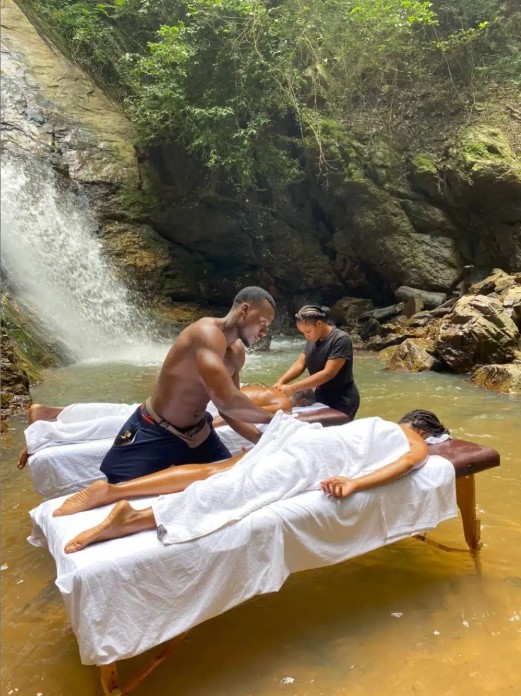
Nature, Waterfalls, and Wellness Travel
Best window: May – July
Why it works:
Lush landscapes
Fully flowing waterfalls
Cooler evenings
Fewer crowds
Rain enhances the experience when the itinerary allows for flexibility.
Festivals, Nightlife, and Detty December
Best window: December – early January
Why it works:
Peak cultural and social season
Major concerts and events
High-energy nightlife
This is also peak pricing season, so early planning is essential.
Slow Travel and Soft-Life Experiences
Best window: July – August, late October
Why it works:
Balanced weather
Quieter destinations
Better hotel availability
More personal experiences
Ideal for travelers who want Ghana to breathe, not perform.
Month-by-Month Ghana Climate Snapshot
| Month | What It Feels Like | Travel Reality |
|---|---|---|
| January | Dry, Harmattan | Dusty skies, smooth travel |
| February | Dry and warm | Clearer days, good mobility |
| March | Very hot | Plan lighter days |
| April | Rains begin | Greener views, flexible schedules |
| May | Heavy rains | Strong nature visuals, slower pace |
| June | Rain peak | Waterfalls shine, road conditions vary |
| July | Cooler with light rain | Excellent balance |
| August | Mild and breezy | Underrated travel month |
| September | Short rains | Fewer crowds, mixed weather |
| October | Transition month | Calm before peak season |
| November | Dry season returns | Ideal planning window |
| December | Dry and festive | High demand, high energy |
Seasonal Pros and Cons
Dry Season (November – March)
| Pros | Cons |
|---|---|
| Easiest travel conditions | Higher prices |
| Festivals and nightlife | Harmattan dust |
| Predictable schedules | Busier tourist areas |
| Ideal for first-timers | Requires early booking |
Rainy Season (April – October)
| Pros | Cons |
|---|---|
| Lush scenery and waterfalls | Weather uncertainty |
| Fewer tourists | Slower travel days |
| Better hotel rates | Some road challenges |
| More intimate experiences | Requires flexibility |
The Most Common Planning Mistake
Many travelers plan Ghana like Europe — fixed timelines, packed days, no buffer.
Ghana rewards flow-based planning:
Flexible mornings
Backup indoor experiences
Logical regional routing
Respect for seasonal rhythms
Weather matters, but planning strategy matters more.
How Akwaaba App Plans Trips Around Climate
Instead of promoting one “best time to visit Ghana,” Akwaaba App plans around:
Your travel dates
Seasonal strengths
Regional climate differences
Your energy level and goals
During rainy months, itineraries emphasize culture, wellness, food, and art.
During dry months, itineraries prioritize movement, heritage sites, road trips, and nightlife.
Same country. Different strategy.
Final Takeaway
There is no bad time to visit Ghana — only poor planning.
Ghana is always warm.
Ghana is always alive.
Each season simply tells a different story.
The best time to go is when the season aligns with your intention and the trip is planned intelligently.
Akwaaba App doesn’t just tell you when to visit Ghana — it shows you how to experience it well.