Mole National Park Ghana: The Complete Visitor’s Guide (2026)
Few places in West Africa stop you in your tracks quite like Mole. You’re standing on the viewing platform at dawn, coffee going cold in your hand, watching a herd of elephants twenty meters below making their way to the watering hole — no fences, no safari vehicle between you, just open savanna. That’s the thing about Mole National Park: it earns its reputation not through spectacle but through proximity. This is Ghana safari done right, and most travelers who go once start planning a return before they’ve even left the park.
Mole is Ghana’s largest national park, covering roughly 4,840 square kilometers of Guinea savanna in the north of the country. It protects the biggest free-roaming elephant population in West Africa, along with 92 other mammal species and more than 300 birds. It is not Kruger. The roads are rough, the lodge is basic, the infrastructure is thin — and that’s part of what makes it one of the most compelling wildlife destinations on the continent.
Getting to Mole National Park
The easiest way to reach Mole is to fly from Accra to Tamale. Flights take about an hour on Africa World Airlines or Passion Air, and tickets typically run $80–$140 return if you book a few weeks ahead. From Tamale, you have two options: hire a private taxi (around GHS 500–700, roughly 3 hours) or take the STC/VIP bus that runs to Larabanga, the village just outside the park gate. The bus is cheap and scenic; it is also slow, and schedules shift. If you value predictability, take the taxi or arrange a transfer through your accommodation.
Driving from Accra is possible — the route via Kumasi and Tamale runs 10–11 hours on a good day. Some travelers do it as a two-day road trip, which is a reasonable way to see northern Ghana if you have the time. The road between Tamale and Mole has improved significantly in recent years but the final stretch into the park can get rough, especially after rains.
If you’re coming from Tamale by road, the drive passes through flat, open savanna and small farming villages. You’ll start to feel the north — the landscape opens up, the air dries out, and the light changes. By the time you reach the park gate, you’re already in a different Ghana.
Best Time to Visit
Go between November and April. This is the dry season in northern Ghana, the grass is low, and animals concentrate around water sources — which means sightings are more frequent and more predictable. Temperatures are high (30–38°C most days), but mornings and evenings are manageable, and the harmattan wind that blows through December–February keeps things from feeling unbearable.
The wet season (May–October) is worth understanding before you dismiss it entirely. The park greens up dramatically, birdlife peaks, and visitor numbers drop. But the grass grows tall enough to make wildlife spotting genuinely difficult, some tracks become impassable, and malaria risk is higher. Unless you have a specific reason to go in the rains — serious birding, budget travel in the off-season — the dry season is simply better for most visitors.
January and February tend to be the peak months for elephant sightings. The harmattan can reduce visibility at times, but elephant numbers at the watering holes are often at their highest.
Wildlife & What to See
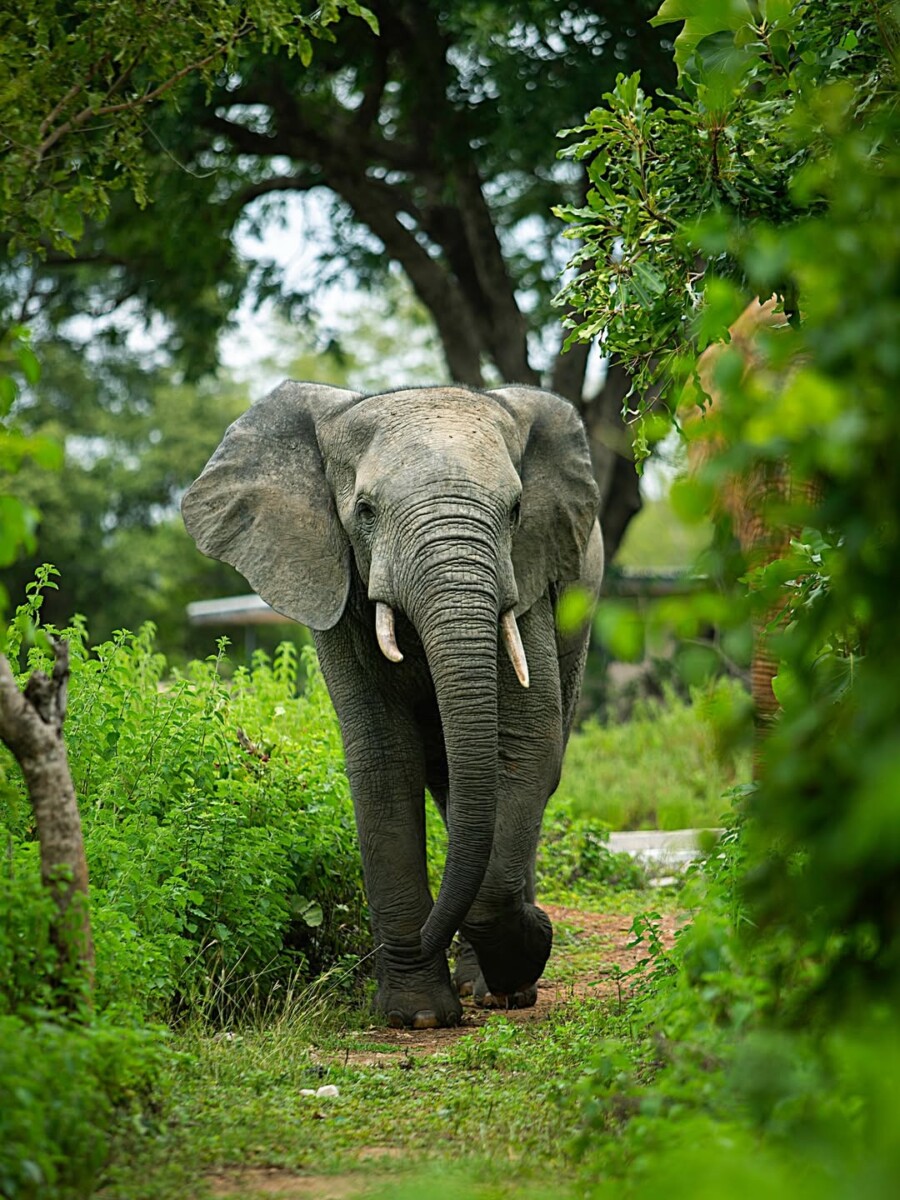
Elephants are the headline act, and they deliver. Mole’s elephant population — estimated at 600–800 animals — moves freely across the savanna and regularly comes down to the watering holes visible from the Mole Motel terrace. Watching them from above while eating breakfast, then walking among them an hour later on the dawn game walk, is the kind of thing that recalibrates your expectations of what wildlife travel can be.
Beyond elephants, the park holds African buffalo, warthogs, kob antelopes, waterbuck, green monkeys, olive baboons, and roan antelopes. Hippos live in the Black Volta and Mole rivers to the north and west. Crocodiles are present in several of the watering holes — the rangers know which ones and keep you at a respectful distance. Leopards and lions exist in the park but sightings are rare; don’t go in expecting big cats.
The birdlife is exceptional. Over 300 species have been recorded, including carmine bee-eaters, Abyssinian ground hornbills, spur-winged plovers, martial eagles, and several species of roller. If you’re a birder, Mole national park Ghana warrants its own dedicated trip. Bring a field guide — Borrow’s “Birds of Ghana” is the standard reference.
The landscape itself is worth noting: rolling Guinea savanna, seasonal rivers, patches of riverine forest, rocky outcrops. It doesn’t look like southern Africa. The light is different, the palette is different. Travel photographers who make it here tend to produce work that stands out from the standard safari portfolio.
Activities & Game Walks
The dawn game walk is the thing you come to Mole for. It leaves at 6am, costs a modest fee on top of park entry, and is conducted by armed rangers who genuinely know the animals and the terrain. The experience of walking — actually walking, on foot, across open savanna — toward a group of elephants is unlike anything you can get from a vehicle. Rangers read the wind, watch body language, and position you close without stressing the animals. Give them your trust. They know what they’re doing.
A second game walk runs at 4pm (dusk walk), which catches the golden-hour light and the animals moving again after the midday heat. Both walks are worth doing, especially if you’re staying multiple nights.
Game drives are available for those who want to cover more ground. The park is large and the eastern sections see fewer visitors; a game drive into those areas can be rewarding, particularly for buffalo and roan antelope. Vehicles and drivers are arranged through the Mole Motel or park office. The quality of guides varies — ask specifically for rangers with experience in the eastern sector if that’s where you want to go.
There’s also a canopy walkway within the park, though it’s less of a draw than the wildlife activities. The swimming pool at Mole Motel overlooks the watering holes and is worth using during the hottest part of the afternoon — elephants occasionally appear while you’re in the water, which is a genuinely surreal experience.
Where to Stay at Mole National Park
Your main options are Mole Motel, Zaina Lodge, and camping.
Mole Motel is the only accommodation inside the park itself. It has a range of rooms from basic chalets to slightly more comfortable options, a restaurant, bar, and the pool overlooking the watering holes. The food is adequate — stick to the simple dishes. The infrastructure is aging and power cuts happen, but the location is everything. Waking up to elephants outside your window at 5:30am because you heard them moving, rolling out for the 6am walk still half-asleep — that’s the Mole Motel experience, and it’s worth the rough edges.
Zaina Lodge is the luxury option, located just outside the park’s southern boundary. It’s well-run, architecturally impressive, and considerably more expensive. Rooms are air-conditioned, service is professional, and the food is good. If budget is not a constraint or you’re traveling with someone who won’t tolerate basic conditions, Zaina is the answer. They run their own game drives into the park.
Camping is available at a basic campsite near the park headquarters. Facilities are minimal. This is an option for serious budget travelers or overlanders with their own gear, not a curated experience.
Book Mole Motel as far ahead as possible during peak season (December–February). The limited room count means it fills up, and there’s no great alternative if you turn up without a reservation.
Ready to visit Mole National Park?
Akwaaba plans your entire Ghana trip — flights, accommodation inside the park, game walk timing, and transfers from Tamale. Free 30-minute planning call.
Larabanga & Mognori
Larabanga is 3km from the park gate and is worth an hour of your time. The village is home to the Larabanga Mosque, built in the Sudano-Sahelian architectural style — mud brick, pointed towers, wooden beams protruding from the walls. It dates to the 14th century and is considered the oldest mosque in Ghana. The structure is striking and well-preserved, and the community takes genuine pride in it. A small entrance fee applies. Ignore the hustlers outside; find the official guide through the mosque committee.
There’s also the so-called Mystic Stone near the entrance to the village, which comes with a local legend about it refusing to be moved. Worth seeing briefly. The story is more interesting than the stone itself.
Mognori Eco-Village is about 30 minutes from the park gate and offers one of the more satisfying community tourism experiences in northern Ghana. The main draw is a canoe safari on the Black Volta River, where you paddle past hippos, crocodiles, and birds in a genuinely unhurried way. Village tours run alongside the boat trips, and the community organization behind it is legitimate — money stays local. Budget two to three hours for a proper visit. The combination of Larabanga in the morning and Mognori in the afternoon makes for a full and varied day.
Practical Tips
Entry fees: As of 2025, foreign visitors pay approximately GHS 100–150 per day as park entry. Game walk fees are additional. Verify current rates at the park gate or directly with the Mole Motel before your trip, as fees are adjusted periodically.
Cash: There are no ATMs inside or near the park. The nearest reliable ATM is in Damongo (about 30km away) or back in Tamale. Come with enough Ghana cedis to cover your entire stay — accommodation, meals, park fees, game walks, and any tips. This is not a place to get caught short.
Malaria: Northern Ghana has significant malaria risk. Malaria prophylaxis is essential, not optional. Start your course before travel, cover up at dawn and dusk, use DEET, and sleep under a mosquito net. Mole Motel rooms have nets; use them.
What to pack: Long-sleeved shirts and trousers for game walks (both for mosquitoes and for blending into the environment), a good hat, sunscreen, binoculars, and a dust bag for your camera. Temperatures in the harmattan months can drop at night — bring a light layer for early morning walks.
Photography: The dawn game walk produces the best light and the closest elephant encounters. Leave the telephoto behind and bring something with a wider field of view — you’ll be close enough that a 70-200mm may actually be too long for full animal shots.
Connectivity: Mobile coverage inside the park is patchy. MTN tends to have the best signal in the area. Don’t plan on reliable internet.
Suggested 3-Day Mole Itinerary
Day 1: Arrive at the park in the afternoon, check in to Mole Motel, and join the 4pm dusk game walk. Watch the watering hole from the terrace at sunset. Early night.
Day 2: Up before dawn for the 6am elephant walk — this is the main event. Return for breakfast, rest through the midday heat, and take the afternoon game drive or a second game walk at 4pm.
Day 3: Morning game drive, then drive to Larabanga for the mosque, continue to Mognori for the canoe safari and village tour. Return to Tamale for your onward flight or overnight before heading south.
Two nights is the minimum to do Mole properly; three nights is better. Getting the logistics right matters more here than at most destinations — transport from Tamale, booking the right room, timing your game walks, and coordinating Larabanga and Mognori into a single day without rushing. These are the details that make the difference between a good trip and a great one.
Frequently Asked Questions
Is Mole National Park safe?
Yes. The park is well-managed and game walks are conducted by armed rangers. Northern Ghana is politically stable and the communities around the park are welcoming to visitors. Standard travel precautions apply — don’t wander outside designated areas alone, follow ranger instructions during game walks, and take malaria prophylaxis seriously.
Can you see elephants at Mole?
Almost certainly, yes. Mole has the largest free-roaming elephant population in West Africa — somewhere between 600 and 800 animals. The dawn game walk regularly gets visitors within 20–50 meters of elephant groups. Even from the Mole Motel terrace, elephants are visible most days at the watering holes below. Sightings are not guaranteed, but the probability is high, especially during the dry season.
How long does it take to get from Accra to Mole National Park?
Flying Accra to Tamale takes about one hour. From Tamale, the drive to the park is roughly three hours by taxi. Total door-to-door time from Accra is around 5–6 hours when flying. Driving the whole way from Accra takes 10–11 hours.
What should I wear on a game walk at Mole?
Neutral colors — khaki, olive, tan. Avoid white and bright colors. Long sleeves and long trousers are important for mosquito protection and for not startling animals. Closed-toe walking shoes or light hiking boots. A hat is essential. Bring water and apply insect repellent before the walk.
When is the best time to visit Mole for elephants?
November to April (dry season). January and February are typically peak for elephant sightings at the watering holes. The dry conditions push more animals to concentrate around water, making encounters more frequent.
Ready to visit Mole National Park?
Akwaaba plans your entire Ghana trip — flights, accommodation inside the park, game walk timing, and transfers from Tamale. Free 30-minute planning call.