Heritage Trail
10 Historical Sites in Ghana You Must Experience — Not Just Visit
📍 7 Days / 6 Nights
🏭 Guided Entry to All Sites
✈ Airport Transfers Included
From $1,299/person
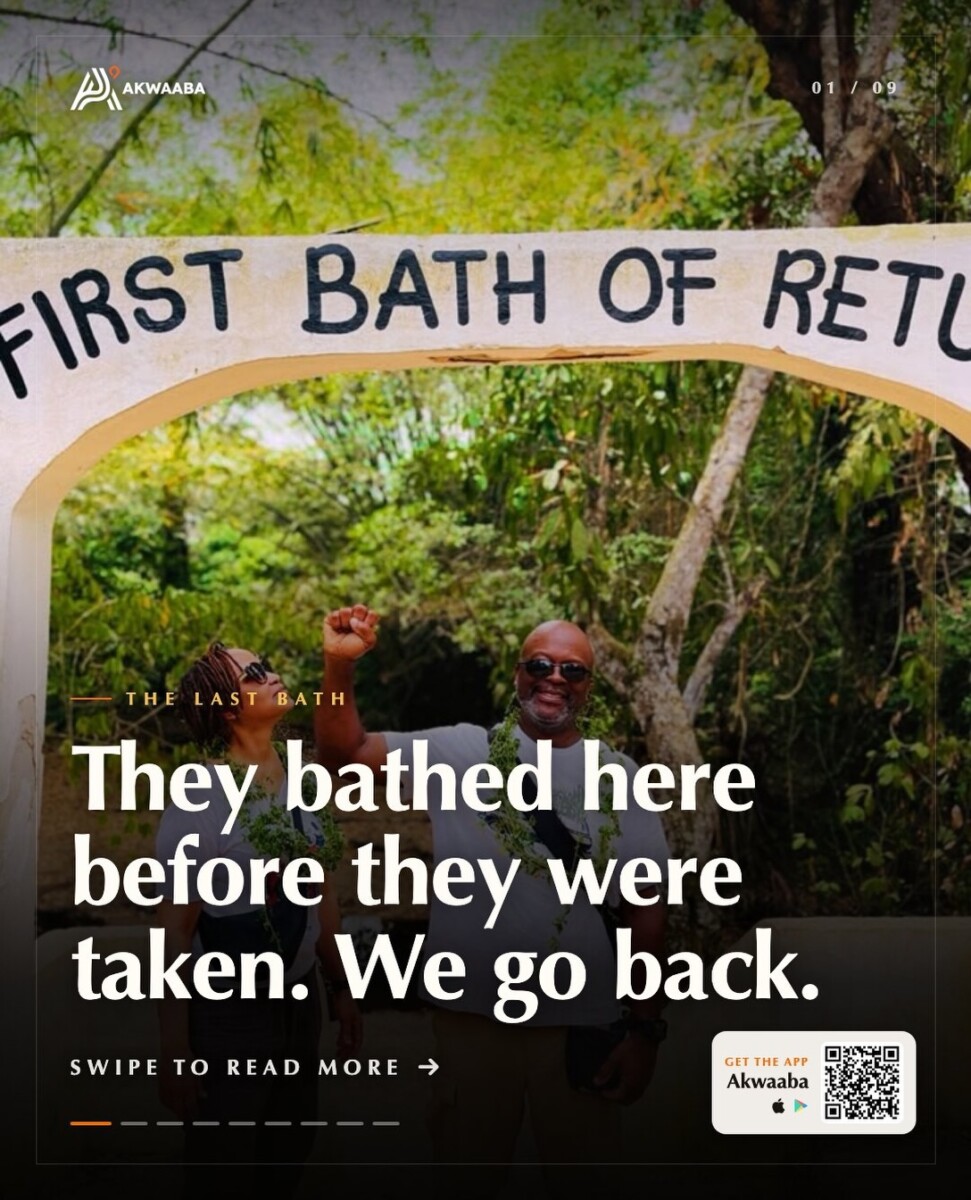
Ghana carries one of the heaviest histories in Africa — and one of the most astonishing. The castles on the Cape Coast shoreline where millions passed through on their way to enslavement. The royal palaces of Kumasi where Ashanti kings still hold court. The mud-brick mosque at Larabanga, older than any church in the Americas. The grave of W.E.B. Du Bois, who chose Ghana as his final home. This 7-day journey visits ten of the most significant historical sites in Ghana — not as a sightseeing checklist, but as an intentional encounter with what happened here, and what survives.
Book This Experience
Walk Through It: Roots of the Republic
A 4-day journey through Ghana’s independence story and its most powerful historical and cultural sites — from $1,345.
Akwaaba designs this itinerary for diaspora travellers, history students, and anyone who understands that Ghana’s past is inseparable from their own. We keep group sizes small (maximum 12), move at a human pace, and pair every site visit with context from a local historian or community guide who grew up in its shadow.
The 10 Sites
Cape Coast Castle
Central Region — UNESCO World Heritage Site
The largest of Ghana’s slave castles and the most visited. Built by the Swedes in 1653 and later expanded by the British, Cape Coast Castle processed an estimated 1.5 million enslaved Africans through its “Door of No Return.” The dungeons sit directly beneath the governor’s chapel — a deliberate architectural cruelty that is impossible to stand inside and not feel. The museum above is one of the best in West Africa. A guided tour here is not optional — it is the only way to understand what you are looking at.
Elmina Castle
Central Region — UNESCO World Heritage Site
Built by the Portuguese in 1482, Elmina Castle (São Jorge da Mina) is the oldest European structure in sub-Saharan Africa. It pre-dates Columbus’s arrival in the Americas. Originally built for the gold trade, it was converted to a slave-holding facility by the Dutch in the 17th century. The female dungeon here is particularly harrowing — a space where enslaved women were held and where the governor selected women for his personal quarters via a trapdoor above. Visiting Elmina the day after Cape Coast compounds the weight of both.
Fort St. Jago (Fort Conraadsburg)
Elmina Hill, Central Region
Sitting on the hill directly above Elmina Castle, Fort St. Jago was built by the Portuguese in 1555 and later modified by the Dutch. Its elevated position was strategic — it commands views of both the Elmina lagoon and the Atlantic. Today it is a quiet, less-visited ruin with extraordinary views across Elmina town and the fishing harbour below. The contrast between its calm now and its function then is striking. Most tours skip it; Akwaaba’s Heritage Trail includes it.
Manhyia Palace Museum
Kumasi, Ashanti Region
The official residence of the Asantehene (King of the Ashanti people) and one of the most important political sites in West Africa. The original palace was burned by the British in 1874 and rebuilt; the current palace was built in 1925. The adjacent museum contains royal regalia, weapons, and artifacts from the Ashanti Empire — including items seized by the British and later returned. The Ashanti Kingdom was one of the most powerful and sophisticated states in 18th-century Africa, and Manhyia makes that power legible. Visitors are received in a formal but welcoming manner.
Kwame Nkrumah Memorial Park & Mausoleum
Accra, Greater Accra Region
The burial site of Ghana’s first president and founding father, built on the site of the Old Polo Ground where Nkrumah declared independence on 6 March 1957. The museum holds Nkrumah’s personal effects, correspondence, and the story of Pan-Africanism as a political project. For African diaspora visitors, standing here carries particular weight — Nkrumah was the first head of state to declare a citizenship right of return for the African diaspora. The memorial garden is one of the most peaceful spaces in central Accra.
Christiansborg Castle (Osu Castle)
Osu, Accra — Greater Accra Region
Built by the Danes in 1661 on a site originally occupied by a Portuguese lodge, Christiansborg served as the seat of government in Ghana from colonial times through the presidency of John Mahama. It sits directly on the Atlantic shore in Osu — waves crash at its base. The castle changed hands between the Danes, the Akwamu people (who seized it in 1693), the Danes again, and finally the British. Parts of it are open for guided visits; the history of who controlled it and for how long is a capsule history of the power struggles over the West African coast.
W.E.B. Du Bois Centre
Cantonments, Accra
The home, library, and burial site of W.E.B. Du Bois — the American scholar, civil rights leader, and Pan-Africanist who renounced his US citizenship and moved to Ghana at Nkrumah’s invitation in 1961. He died in Accra in 1963, the day before the March on Washington. His grave is in the garden. The centre houses his personal library and rotating exhibitions on Pan-Africanism and the African diaspora. For African American visitors in particular, this is often the most emotionally significant stop on the entire itinerary.
Pikworo Slave Camp
Paga, Upper East Region
An often-overlooked site in Ghana’s slave trade history — Pikworo was a holding camp where enslaved people were gathered before being marched south to the coastal castles. Unlike the castles, Pikworo is not a European-built structure but a natural rock formation used as an open-air prison. Captives were forced to grind food in stone mortars that are still visible. Trees where they were tied still stand. The site is managed by the local Kassena community; visiting involves engaging with descendants of people who lived through this history. It is unlike any other site on this itinerary.
Larabanga Mosque
Northern Region — near Mole National Park
Ghana’s oldest mosque and one of the oldest in West Africa, built around 1421 in the distinctive Sudano-Sahelian style — mud brick with protruding wooden beams that serve as scaffolding for annual replastering. Larabanga predates the arrival of Europeans on the West African coast. It is a living mosque, still in daily use. The community of Larabanga has protected it for six centuries through a combination of religious devotion and communal pride. Visiting requires modest dress and a respectful approach; the local guides are themselves from families who have been caretakers of the mosque for generations.
Kumasi Fort & Military Museum
Kumasi, Ashanti Region
Built by the British in 1897 following their third war with the Ashanti Kingdom, the Kumasi Fort houses a military museum documenting the Anglo-Ashanti Wars and the broader colonial military history of the Gold Coast. The Golden Stool — the sacred symbol of Ashanti sovereignty — is represented here, along with accounts of the 1900 Yaa Asantewaa War in which the Ashanti Queen Mother led the final armed resistance against British colonial rule. The museum is compact but the history it holds is enormous.
7-Day Itinerary Overview
Day 1 — Arrival in Accra
Greater Accra Region
Private pickup from Kotoka International Airport. No taxis, no bargaining. Check in to your accommodation in Osu or Airport Residential. Evening orientation dinner with your Akwaaba guide — a conversation about what you’re about to see and how to approach it. Early night. Tomorrow starts at the castle.
Day 2 — Accra Historical Sites
Kwame Nkrumah Memorial Park • Christiansborg Castle • W.E.B. Du Bois Centre
A full day in Accra covering three sites that tell the story of Ghana’s independence and its relationship with the African diaspora. Start at the Nkrumah Memorial Park in the morning when it is quiet. Continue to Osu Castle in the late morning. Afternoon at the Du Bois Centre — this is the site that needs the most time. Evening free in Osu or Labone.
Day 3 — Cape Coast & Elmina
Cape Coast Castle • Elmina Castle • Fort St. Jago
The emotional centre of the itinerary. Depart Accra by 7am for the 3-hour drive to Cape Coast. Guided tour of Cape Coast Castle in the morning — allow 2 hours minimum. Lunch in Cape Coast town. Elmina Castle in the afternoon (45 minutes from Cape Coast). Fort St. Jago at sunset. Overnight in Cape Coast.
Day 4 — Drive to Kumasi
Transition Day • Ashanti Region
Morning drive from Cape Coast to Kumasi (3.5 hours). Stop at Kakum National Park canopy walkway en route — a natural and sensory contrast after two heavy days at the castles. Arrive Kumasi early afternoon. Check in and rest. Evening walk through Kejetia Market, the largest open-air market in West Africa.
Day 5 — Kumasi
Manhyia Palace Museum • Kumasi Fort & Military Museum
Morning at Manhyia Palace Museum — guided tour of the royal collection. Afternoon at Kumasi Fort and the Military Museum. Evening at a traditional Ashanti cultural performance or kente weaving demonstration at Bonwire village (30 minutes from Kumasi).
Day 6 — North — Pikworo & Larabanga
Upper East Region • Northern Region
An early flight or long drive north (domestic flights available Kumasi to Tamale). Afternoon visit to Pikworo Slave Camp near Paga — one of the most important and least-visited sites in Ghana. Overnight near Tamale or Bolgatanga. Larabanga Mosque is combined with a morning visit to Mole National Park on Day 7 for those who add the wildlife extension.
Day 7 — Larabanga & Departure
Northern Region • Return to Accra
Morning visit to Larabanga Mosque at dawn when the light on the mud-brick walls is extraordinary. Return to Tamale for the flight back to Accra. Departure transfer to Kotoka International Airport. Optional: add 2 nights at Mole National Park before or after the heritage trail for a combined culture and wildlife experience.
What’s Included
- Guided entry to all 10 historical sites
- Airport arrival and departure transfers
- All inter-city transport (AC vehicle)
- 6 nights accommodation (twin-share, 3-star+)
- Akwaaba historian guide for the full 7 days
- SanlamAllianz travel insurance
- Breakfast daily
- Orientation dinner (Day 1)
- Akwaaba WhatsApp support throughout
- Tamale domestic flight (if applicable)
Not included: International flights, lunches and dinners (except Day 1), personal spending, optional Mole National Park extension.
7 days / 6 nights • All site entries • Guided • Min. 2 guests
Frequently Asked Questions
The castle visits involve graphic historical content — the dungeon spaces, the context of the slave trade — and require emotional preparedness. We recommend this tour for ages 14 and above. That said, many families with mature teenagers have found it a profoundly valuable experience. Contact us to discuss your family’s situation before booking.
Yes — the 10 sites can be combined in different sequences, and the 7-day format can be extended or compressed. The Cape Coast / Elmina / Du Bois combination is the most commonly standalone 3-day version ($499/person). Private tours are available for families, corporate groups, and educational institutions.
Moderate. The castle dungeons involve some low ceilings and stairs. Pikworo involves walking over uneven rock surfaces. All sites are accessible for most fitness levels; we can arrange additional support for mobility-impaired guests — contact us in advance. Most of the itinerary is vehicle-based with walking at each site.
Modest, comfortable clothing is appropriate throughout. At Larabanga Mosque, shoulders and knees must be covered — scarves and wraps are available on-site. At Manhyia Palace, respectful dress is expected. Comfortable walking shoes are essential. Avoid wearing red or black at some traditional sites — your guide will advise in context.
Yes — the Larabanga Mosque is located 5km from Mole National Park’s entrance. We offer a combined 10-day Heritage Trail + Safari package that adds 2 nights at Mole Motel after the Larabanga visit. Elephants at dawn, then the oldest mosque in Ghana. It is one of our most popular itinerary combinations.
Start Planning Your Heritage Trail
Every date is private to your group. No strangers, no rushed schedules.
EVENTS IN GHANA
What's On in Ghana This Week
Festivals, concerts, cultural events, and experiences — updated every week.
Browse Events →Lock in your Ghana trip for just $100 down
Flights, vetted stays, local guides and SanlamAllianz insurance — all handled. Reserve your spot with $100, pay the balance later.
FROM @AKWAABA.APP
See What Ghana Actually Looks Like
Our six latest posts on Instagram