
Visit Ghana 2026:
Where Africa Comes Alive
From the slave castles of Cape Coast to the festival streets of Accra — from Mole's elephants to the Volta's waterfalls. Ghana is the journey that changes you.
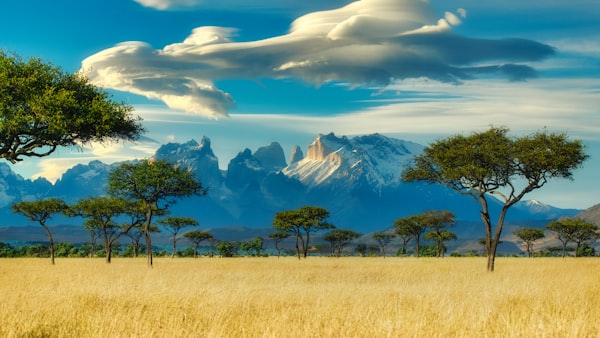
Ghana's Heritage Coast
Why Ghana?
Africa's Most Welcoming Destination
Ghana has emerged as the premier destination for African diaspora homecomers, solo adventurers, and culture seekers worldwide. Here's why over 1 million visitors choose Ghana every year.
Legendary Hospitality
"Akwaaba" means welcome in Akan — and Ghanaians live it. You'll feel it from the airport to the village, from street food stalls to luxury hotels.
Deep, Living History
From the Ashanti Kingdom's gold to the haunting slave castles of Cape Coast and Elmina — Ghana's history is felt, not just read.
The Heartbeat of Afrobeats
Accra is the cultural capital of the African continent. Highlife, Afrobeats, Azonto — the music is in the streets, the clubs, and the festivals.
Stunning Natural Beauty
Canopy walks through rainforests, elephants roaming Mole's savanna, black sand beaches, misty waterfalls, and the vast calm of Lake Volta.
World-Class Food Culture
Jollof, kelewele, fufu, waakye, banku — Ghana's food scene is authentic, bold, and loved worldwide. Accra's restaurant scene is thriving.
Easy Access
Direct flights from London, New York, Toronto, Dubai, and Johannesburg. A single English-speaking country that's easy to navigate independently or with a guide.
Ghana Tours 2026
Fully Curated Ghana Tour Packages
Every tour is designed by our Ghana-based team. All-inclusive from arrival to departure — accommodation, transport, guides, meals, and experiences. Build a custom Ghana itinerary →

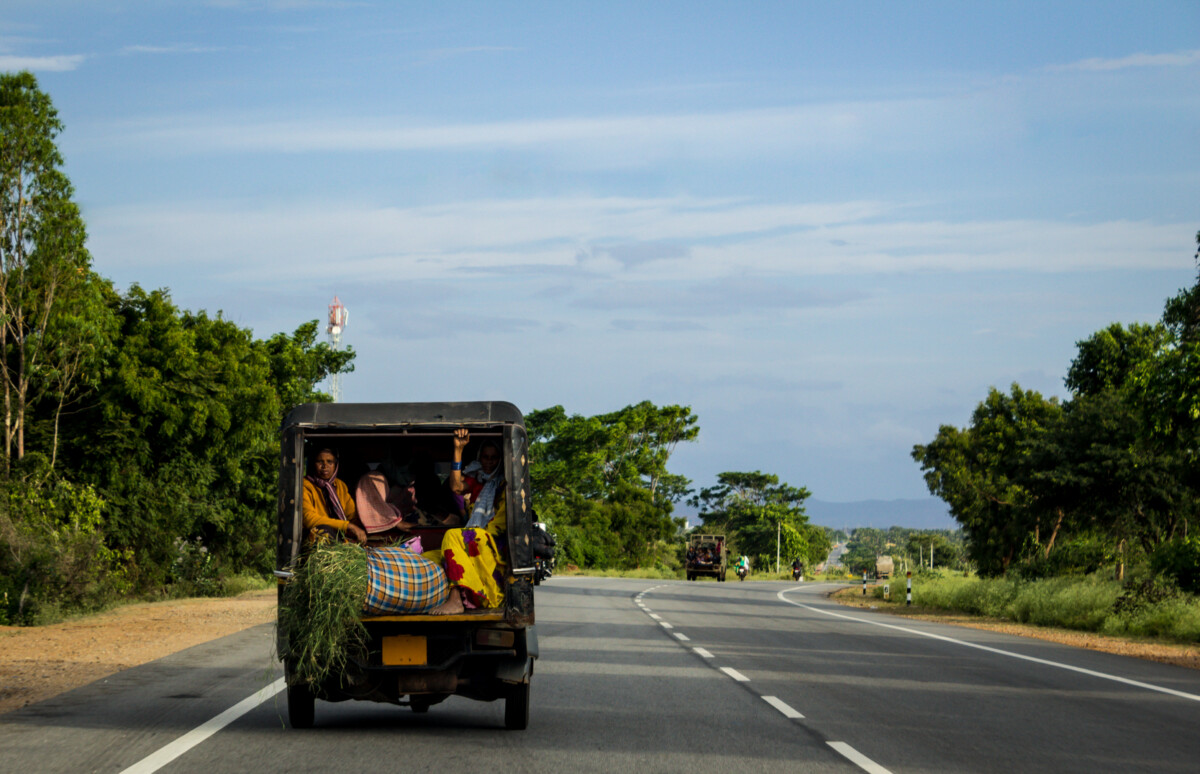
14-Day West Africa Cultural Heritage Tour – Benin, Togo & Ghana
Explore West Africa: 14-Day Cultural Tour of Benin, Togo & Ghana
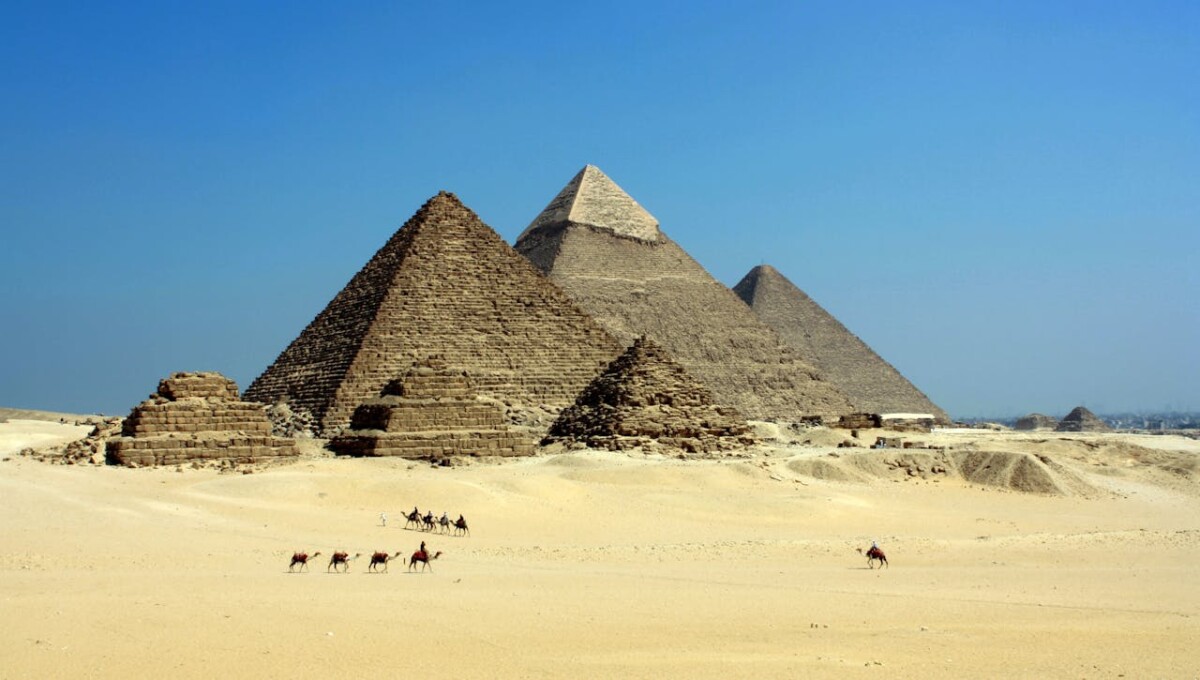
Explore Historic Egypt & Ghana – 12-Day Cultural Tour
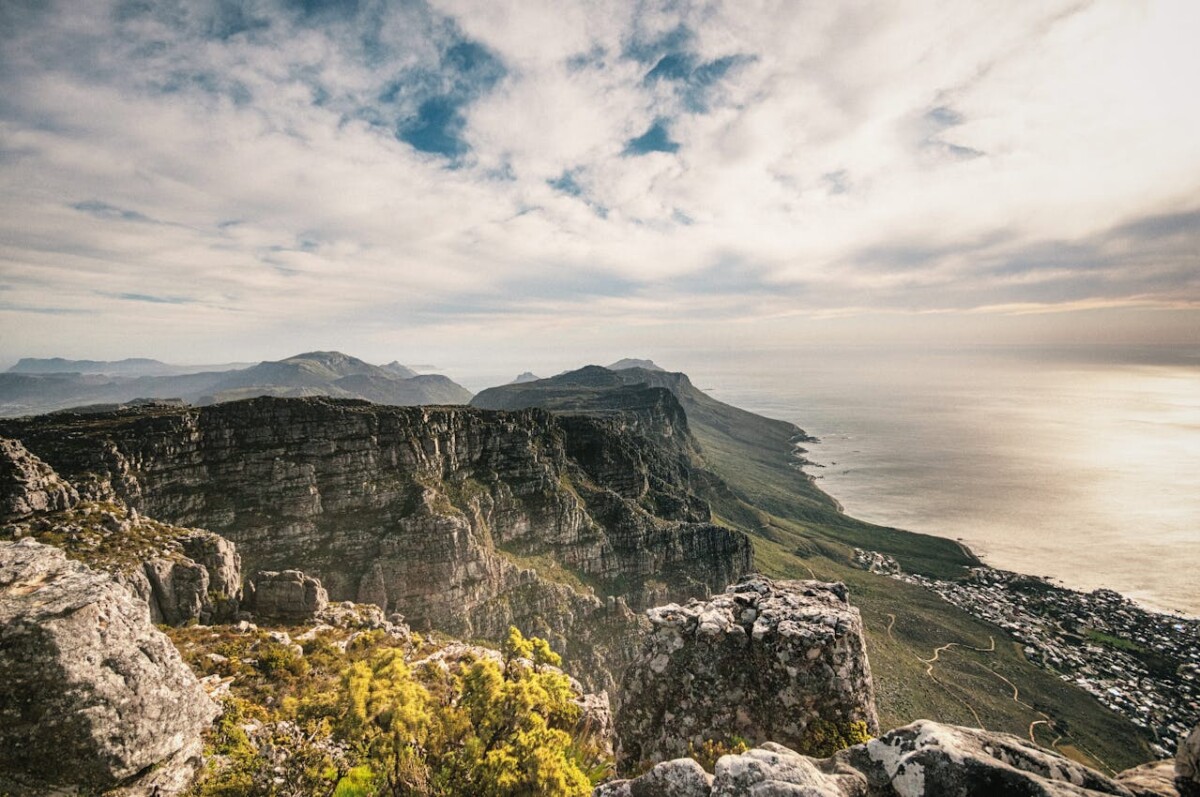
Cultural Tour of Ghana and South Africa – 12-Day Heritage Adventure
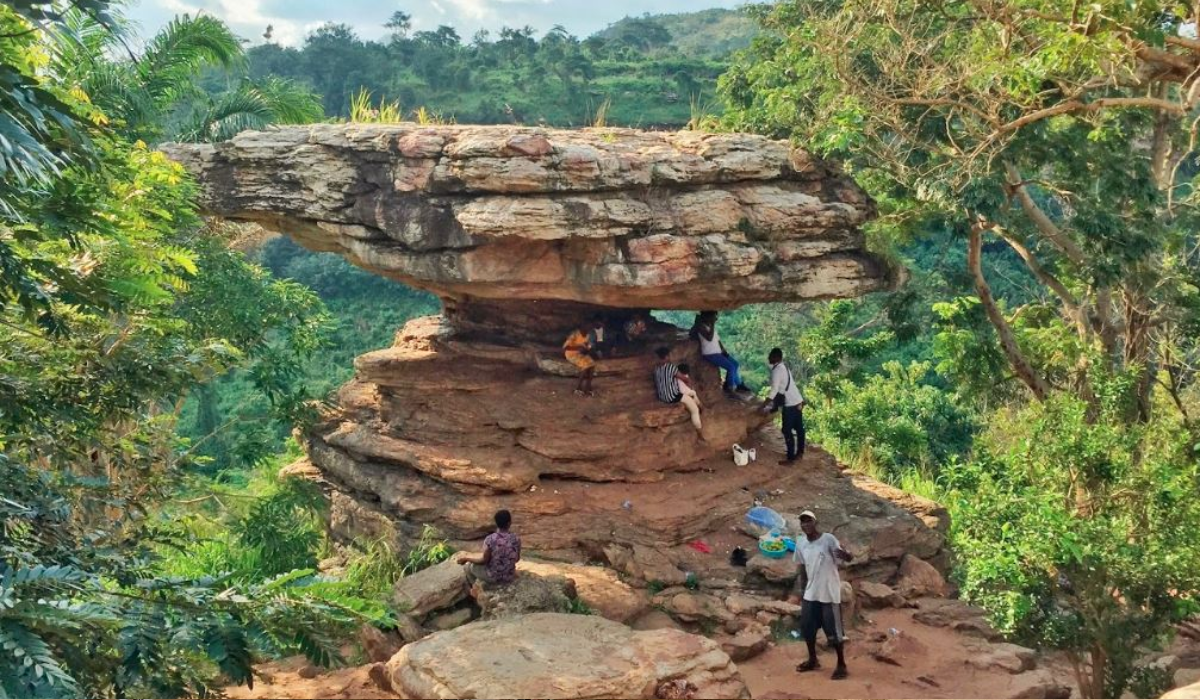
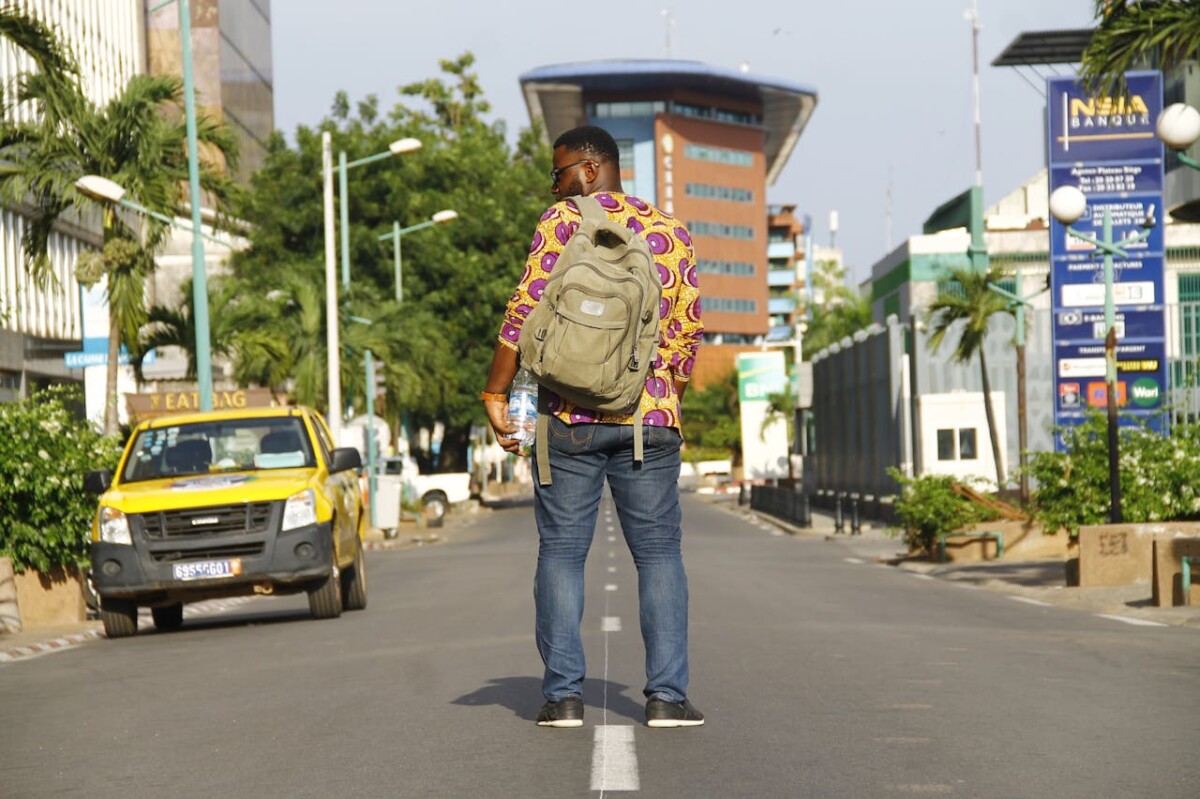
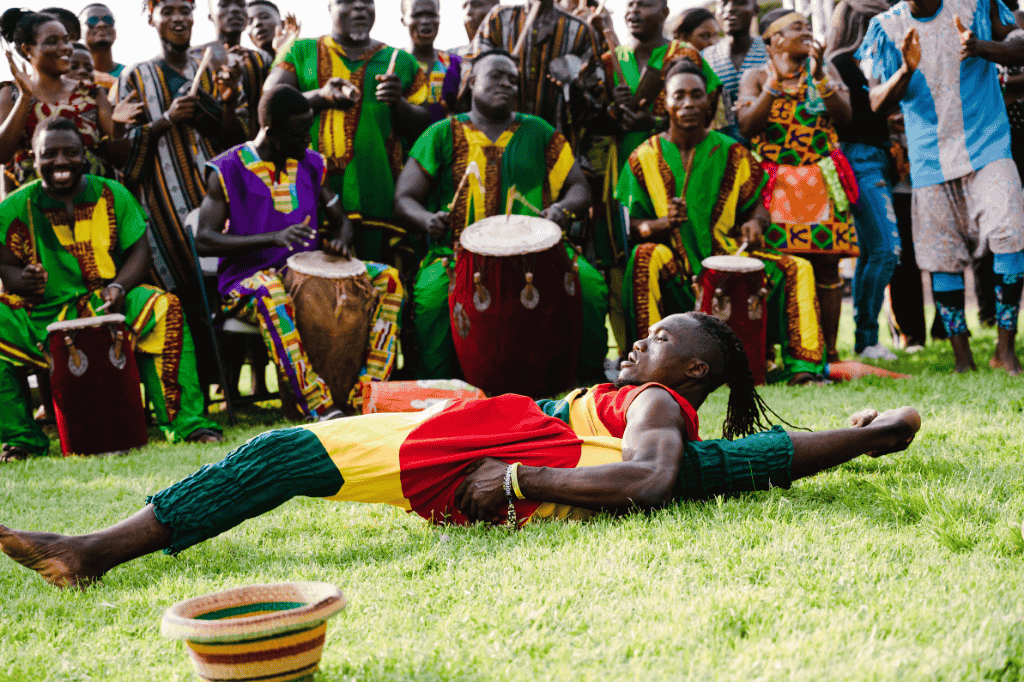
Panafest Celebration in Ghana – 10 Days of Culture
Signature Egypt & Ghana Tour – 9 Days of Culture & History
Explore by Region
Ghana's Most Visited Destinations
Every region of Ghana offers something distinct. Here's where to go and what to expect.
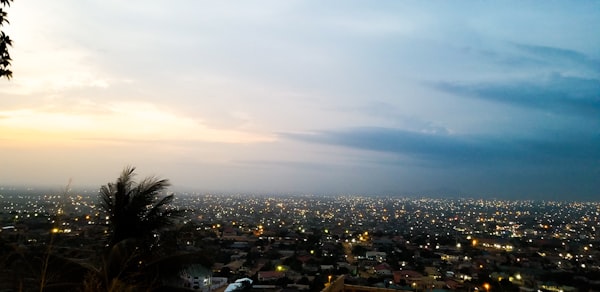
Accra
Ghana's capital — rooftop bars, Afrobeats clubs, food markets, art, history, and the beach.
Explore Accra →Cape Coast
UNESCO slave castles, Kakum canopy walk, seafood, and the heart of Ghana's history.
Explore Cape Coast →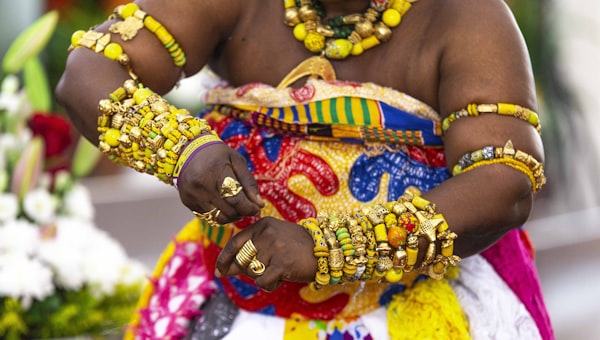
Kumasi
The Ashanti Kingdom's seat of power. Manhyia Palace, Kejetia market, kente weaving villages.
Explore Kumasi →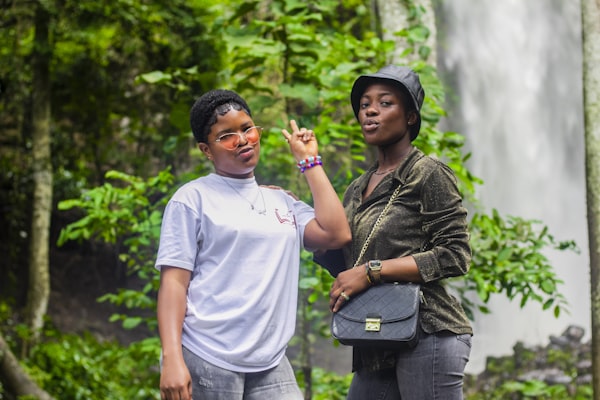
Volta Region
Boti Falls, Wli Waterfalls, Lake Volta, green mountains, and total tranquility.
Explore Volta →Travel Guide
Everything You Need to Know Before Visiting Ghana
By Akosua Adoma, Ghana Travel Specialist · Updated April 2026
Ghana is one of Africa’s most visitor-friendly countries — politically stable, English-speaking, and genuinely warm toward tourists. Whether you’re coming for a week or a month, here’s what you need to know.
How Do I Get to Ghana?
Kotoka International Airport (ACC) in Accra is the main international entry point. Direct flights operate year-round from London Heathrow (British Airways, Ghana Airways), New York JFK and Washington Dulles (Delta, United), Toronto (Air Canada), Amsterdam (KLM), Frankfurt (Lufthansa), Dubai (Emirates), and Johannesburg (South African Airways). Flight times: approximately 6.5 hours from London, 10 hours from New York, 4.5 hours from Johannesburg. Domestically, Africa World Airlines and Passion Air connect Accra to Kumasi, Tamale, and Takoradi — ideal when time is short. Kotoka’s Terminal 3 is modern and well-organised. All Akwaaba tours include door-to-door airport transfers.
Do I Need a Visa for Ghana?
Most international visitors require a visa to enter Ghana. Citizens of all 15 ECOWAS member nations — including Nigeria, Senegal, and Côte d’Ivoire — travel visa-free. Citizens of the USA, UK, Canada, EU countries, and Australia can apply for an e-visa online through the Ghana Immigration Service portal or obtain a visa on arrival at Kotoka. The e-visa takes 3–5 business days and costs approximately $80–120 depending on nationality. Tourist visas are valid for 30–60 days, single or multiple entry. Apply at least 2–3 weeks before departure. Keep a printed copy of your visa approval and yellow fever certificate together — immigration officers request both simultaneously on arrival.
What Currency Does Ghana Use?
Ghana uses the Ghanaian Cedi (GHS) as its official currency. As of 2026, USD 1 ≈ GHS 14–15, though the rate fluctuates. Forex bureaux offer better rates than commercial banks — look for licensed bureaux in Accra’s Airport Residential and Osu. ATMs are widely available in major cities; Visa and Mastercard are accepted at most machines. Hotels, restaurants, and shopping centres in Accra accept credit cards; outside the capital, cash is strongly preferred. Avoid exchanging at the airport — rates are less favourable. MTN MoMo and AirtelTigo Money mobile platforms are widely used by locals. Tipping is appreciated: GHS 20–50 at restaurants, GHS 50–100 for guides.
Is Ghana Safe to Visit?
Yellow fever vaccination is mandatory for entry — carry your International Certificate of Vaccination (yellow card); immigration checks it on arrival. Malaria prophylaxis is strongly recommended: consult your doctor 4–6 weeks before travel. Hepatitis A, typhoid, and routine vaccinations are also advisable. Nyaho Medical Centre in Accra offers 24-hour emergency services for travellers. On safety: Ghana is consistently ranked among Africa’s most politically stable and visitor-friendly nations. Accra, Cape Coast, Kumasi, and the Volta Region are all safe for tourists. Use Bolt rather than unmarked taxis at night, keep valuables out of sight on beaches. Petty theft is the main concern, not violent crime.
How Do I Get Around Ghana?
Within Accra, Bolt (ride-hailing) is the safest and most affordable option — typically GHS 25–60 for city trips. Licensed taxis (yellow and orange) are plentiful; negotiate the fare before entering. For inter-city travel, VIP and STC buses run air-conditioned coaches on Accra–Kumasi (4 hrs), Accra–Cape Coast (3 hrs), and Accra–Tamale (12 hrs). For maximum flexibility, a private driver with a 4WD is the best investment for Volta Region, Mole National Park, or multi-city itineraries — approximately $60–100 per day. All Akwaaba tours include private, air-conditioned transport throughout. Africa World Airlines domestic flights connect Accra to Kumasi (50 mins) when time is limited.
What Should I Pack for Ghana?
Ghana’s tropical climate calls for lightweight, breathable clothing — cotton and linen work best. Pack a light jacket for air-conditioned restaurants, hotels, and vehicles. SPF 50+ sunscreen is essential; the tropical sun is more intense than most expect. Quality insect repellent (DEET 30%+) is important for evenings near water. Comfortable closed-toe walking shoes are necessary for Cape Coast Castle’s cobblestones and Kakum’s canopy walkway. Bring a hat, sunglasses, and a sarong for visiting traditional sites. Leave room in your luggage — kente cloth, beaded jewellery, and hand-carved stools are irresistible. Pack a small first-aid kit with rehydration salts. Type D/G socket adapters needed for UK-style plugs.
Will My Phone Work in Ghana?
Ghana has reliable 4G LTE coverage throughout Accra, Kumasi, and Cape Coast, with expanding coverage in the Volta Region. The two dominant networks are MTN Ghana and AirtelTigo — both offer prepaid SIM cards at Kotoka Airport arrivals or any roadside vendor. A 10GB data bundle costs approximately GHS 30–50 (~$2–3.50 USD), valid 30 days. Present your passport to register the SIM — a legal requirement. WhatsApp is the universal communication tool: your hotel, tour guide, and contacts all use it. Most hotels and restaurants in Accra and Cape Coast offer free Wi-Fi. Roaming with your home SIM is possible but expensive.
What Food Should I Try in Ghana?
Ghana’s food culture is one of West Africa’s great undiscovered pleasures. Must-try dishes: jollof rice (Ghana’s version is widely considered superior — the debate with Nigeria is real), waakye (rice and black-eyed beans, best as breakfast from a roadside vendor), banku with grilled tilapia and pepper sauce, kelewele (spiced fried plantain — addictive), and fufu with groundnut soup. Accra’s restaurant scene has transformed: Santoku in Osu, Lounge 17 in East Legon, and Buka in Cantonments sit alongside classics. All Akwaaba tours include curated food experiences — we know which spots represent true Ghanaian hospitality.
⭐ Best Experiences in Ghana
Tell us your dates, travel style, and must-see list. Our Ghana experts will build your perfect itinerary — all-inclusive, stress-free.
When to Go
Best Time to Visit Ghana — Month by Month
Ghana is a year-round destination, but season affects what you'll experience. Here's the breakdown. Full month-by-month guide →
What to Do in Ghana
Experiences Every Visitor Should Have
Beyond the landmarks — these are the moments that make Ghana unforgettable. See all 50 things to do →
Cape Coast Castle
Walk through the Door of No Return. One of the most moving historical sites in Africa.
Kakum Canopy Walk
Seven suspension bridges, 330m of walkway, 30 metres above the forest floor.
Mole Safari
Walk with elephants in Ghana's largest national park. Book a guided safari at sunrise.
Akwasidae Festival
Living Ashanti royal ceremony in Kumasi — drumming, regalia, procession.
Beach Days
Labadi, Busua, Anomabo, and Kokrobite — all within reach of Accra.
Kente Weaving
Visit Bonwire village near Kumasi — master weavers creating Ghana's most iconic textile.
Food Tour — Accra
Waakye at dawn, jollof at noon, kelewele at night. Accra's food scene is world-class.
Afrobeats Nightlife
Accra's clubs and rooftop bars are legendary — Thursday to Sunday, the city doesn't sleep.
Wli Waterfalls
West Africa's tallest waterfall, deep in the Volta Region. A day trip from Accra.
Lake Volta Boat Ride
Glide across one of the world's largest man-made lakes at golden hour.
Jamestown & Street Art
Accra's oldest neighbourhood — fishing boats, lighthouse, colonial forts, and incredible murals.
Aburi Botanical Gardens
Colonial-era hilltop gardens above Accra. Cool air, tall palms, peaceful escape from the city.
Ghana Travel Guides
Plan Smarter With Our Expert Guides
In-depth travel guides written by our Ghana-based team — everything from visa applications to festival dates.
50 Best Things to Do in Ghana in 2026
The ultimate bucket list — landmarks, nature, culture, nightlife, and hidden gems across every region.
Ghana Visa Guide 2026: Requirements, Costs & How to Apply
Step-by-step visa application guide for US, UK, Canadian, EU, and Australian citizens.
Is Ghana Safe to Visit in 2026?
Honest safety assessment by region — what to watch for, where to go, and how to travel smart.
Best Time to Visit Ghana — Month by Month Guide
Weather, festivals, crowd levels, and pricing — every month of the year compared.
Ghana Festivals Calendar 2026 — The Complete Guide
Afrochella, Chale Wote, Akwasidae, Panafest, Homowo, and more — dates and how to attend.
Ghana Beaches — The 10 Best Beaches to Visit in 2026
From Labadi's energy to Busua's surf and Anomabo's seclusion — ranked and reviewed.
Accra Nightlife Guide 2026 — Best Clubs, Bars & Parties
Where to go Thursday through Sunday in Accra — rooftops, Afrobeats clubs, and cocktail bars.
Things to Do in Accra 2026 — The Complete City Guide
Markets, museums, beaches, food, nightlife, history, and day trips from Ghana's capital.
Ghana for First-Time Visitors — 10 Things You Must Know
What to expect, what to pack, how to get around, and how to make the most of your first trip.
Browse by Interest
Ghana Trips for Every Traveller
From solo heritage journeys to group celebrations — find your perfect Ghana package.
FAQ
Frequently Asked Questions About Ghana
Yes. Ghana is consistently rated one of Africa's most stable and tourist-friendly nations. Accra, Cape Coast, Kumasi, and the Volta Region are all safe for visitors. The country has had peaceful democratic elections for over three decades. Standard travel precautions apply as in any international destination.
Most international visitors need a visa. Citizens of ECOWAS nations do not. Visitors from the US, UK, Canada, EU, and Australia can obtain a visa on arrival or apply online via the Ghana Immigration Service. Tourist visas are typically issued for 30–60 days. Full visa guide here.
November through March is the dry season and the most popular time to visit. December is peak season with Detty December, Afrochella, and year-end festivities. April–June and September–October can see rain but are quieter and cheaper. Month-by-month guide →
Ghana uses the Ghanaian Cedi (GHS). USD and GBP are widely accepted at forex bureaux. ATMs are available in Accra, Kumasi, and Cape Coast. Cards are accepted at hotels and major restaurants. It's best to carry some cash for markets and local transport.
English is the official language and widely spoken throughout the country. Twi (Akan) is the most common local language, especially in Accra and Kumasi. Ga is spoken in Accra, Ewe in the Volta Region, and Dagbani in the north. Learning a few words of Twi ("Akwaaba!" = Welcome!) goes a long way.
Use our AI trip planner to build a custom Ghana itinerary, or browse our ready-made tour packages ranging from 3 to 14 days. All tours are all-inclusive — accommodation, transport, guides, and most meals are covered.
Yellow fever vaccination is mandatory for entry and you must carry your certificate. Hepatitis A, typhoid, and malaria prophylaxis are strongly recommended. Consult your doctor or a travel health clinic at least 4–6 weeks before departure.
Cape Coast Castle, Elmina Castle, Kakum National Park, Mole National Park, Lake Bosomtwe, Manhyia Palace in Kumasi, Labadi Beach in Accra, Wli Waterfalls in the Volta Region, and Aburi Botanical Gardens. For a full list, see our 50 things to do in Ghana guide.
Our Office
Find Akwaaba in Accra, Ghana
Our team is based in Accra and ready to help plan your perfect Ghana trip — from visa guidance to airport pickup and every experience in between.
Your Ghana Adventure Starts Here
Join thousands of travellers who've discovered Ghana with Akwaaba. Tell us your dream trip and we'll make it happen — from visa help to airport pickup to every experience in between.
🗺️ Plan My Ghana Trip — Free