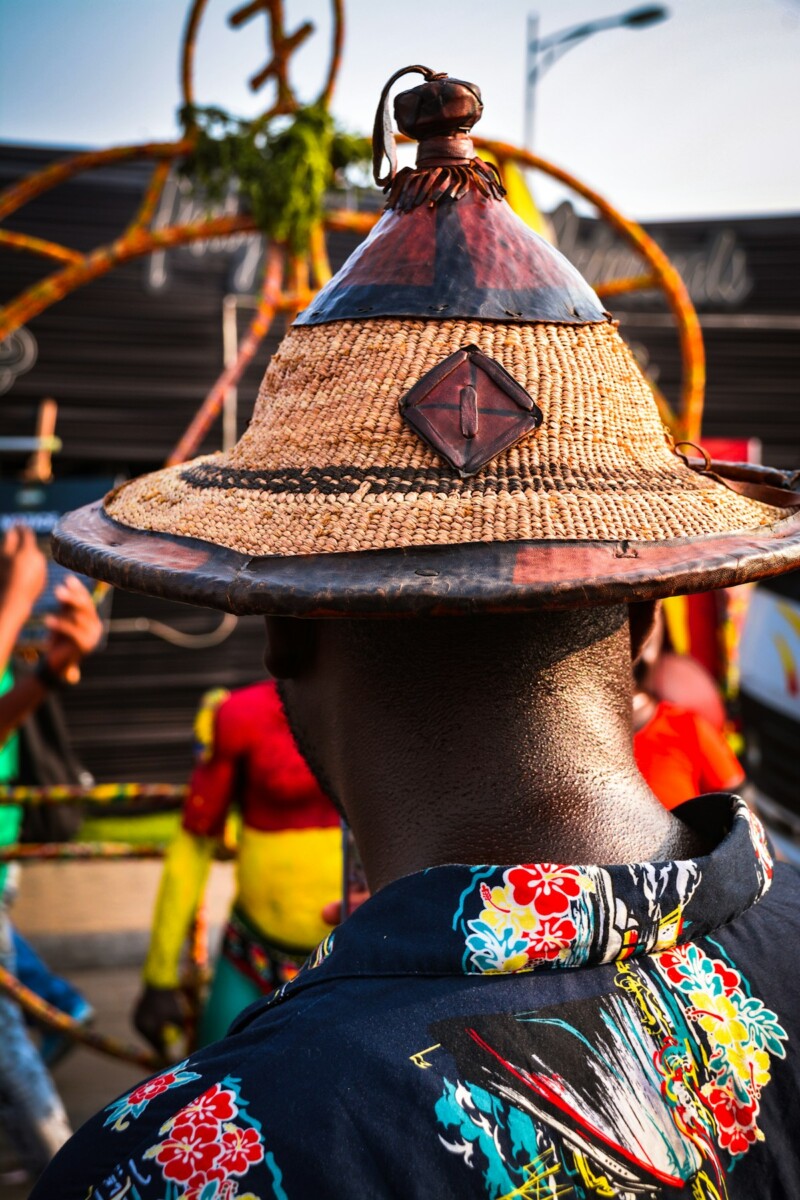
Every August, the streets of Jamestown — one of Accra’s oldest and most historically layered neighborhoods — are taken over by something that did not exist before 2011: Chale Wote, a street art festival that has grown from a small community gathering into one of the largest and most internationally recognized art events in West Africa.
The name comes from the Ga language: “Chale Wote” means “friend, let’s go” — and it is also the local name for the ubiquitous rubber flip-flops that every Ghanaian owns. The festival was founded by ACCRA [dot] ALT, an arts collective, in collaboration with Redd Kat Pictures and the Chale Wote Street Art Projekt. Their ambition was straightforward: turn Jamestown’s streets into an open-air gallery and prove that world-class art could emerge from one of Accra’s poorest neighborhoods. Fifteen years later, the festival draws thousands of artists and visitors from across the globe, and Jamestown’s walls are permanently covered in murals that have become landmarks.
The Jamestown Setting
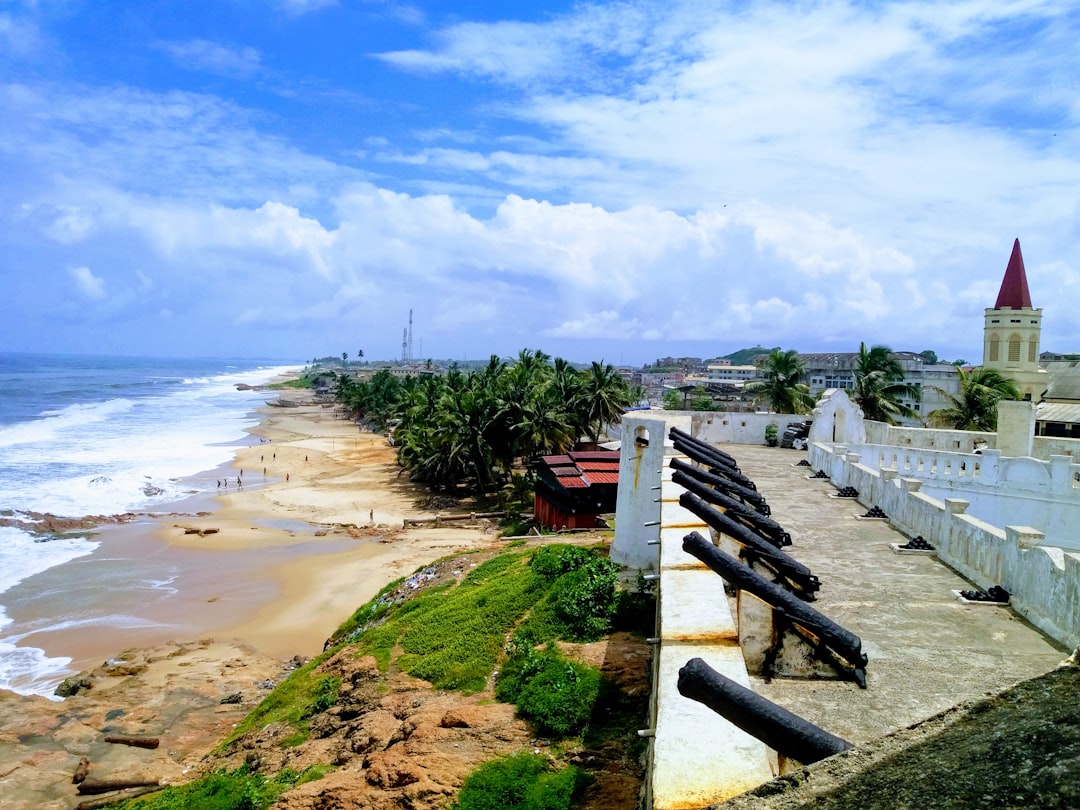
You cannot understand Chale Wote without understanding Jamestown. This is one of Accra’s two original colonial-era quarters (the other is Usshertown, next door). James Fort — the British-built slave trading fort from which the area takes its name — still stands at the water’s edge. Ussher Fort, another colonial fortification, is a few hundred meters away. Between them, a working fishing harbor operates exactly as it has for generations: wooden boats, hand-pulled nets, fish laid out to dry on the ground.
The area is poor. The buildings are colonial-era structures in various states of repair. The streets are narrow and often unpaved. This is not a gentrified arts district — it is a working-class fishing community that also happens to host one of Africa’s most important contemporary art events. The contrast is the point. Chale Wote’s founders chose Jamestown specifically because they wanted to challenge the idea that art requires white walls and air conditioning.
1 App.
Plan. Book. Explore Ghana.
- Plan your trip with AI
- Book experiences & stays
- Grab event tickets
- Earn & redeem rewards
- $50 airport chauffeur
- 24/7 trip support


When Chale Wote Happens
Chale Wote is held in August, typically spanning one weekend (Friday through Sunday). The 2026 dates are announced on the festival’s social media channels — follow @chalewoteofficial on Instagram for announcements. The British Council and other institutional partners typically publicize the dates 4–6 weeks in advance.
The festival is free and open to all. There is no ticket, no registration, no VIP area. You walk into Jamestown and you are at the festival.
What to Expect
The Murals
Large-scale wall paintings are the visual signature of Chale Wote. Artists from Ghana and across Africa — with the Nima Muhinmanchi Art collective being the most prominent — paint directly onto Jamestown’s building walls. The murals range from photorealistic portraits to abstract compositions to pointed political commentary. Many remain year-round, meaning that Jamestown is worth visiting for street art even outside festival dates. But during Chale Wote, you can watch artists work in real-time and talk to them about their process.
Performance Art
Dancers, theater groups, and spoken word artists perform on the streets and in pop-up venues — sometimes in abandoned buildings, sometimes in the middle of intersections. The performances are unannounced and spontaneous. You round a corner and there is a 10-person dance piece happening. You walk through a doorway and find an installation that transforms a colonial ruin into an immersive art environment. The element of surprise is deliberate.
Live Music
Multiple stages host live music throughout the weekend. The range is broad: Afrobeats, highlife, hiplife, experimental electronic, spoken word, and genres that do not have names yet. Some of Ghana’s emerging artists have used Chale Wote as a launching platform, and talent scouts attend specifically to find new acts.
Fashion and Design
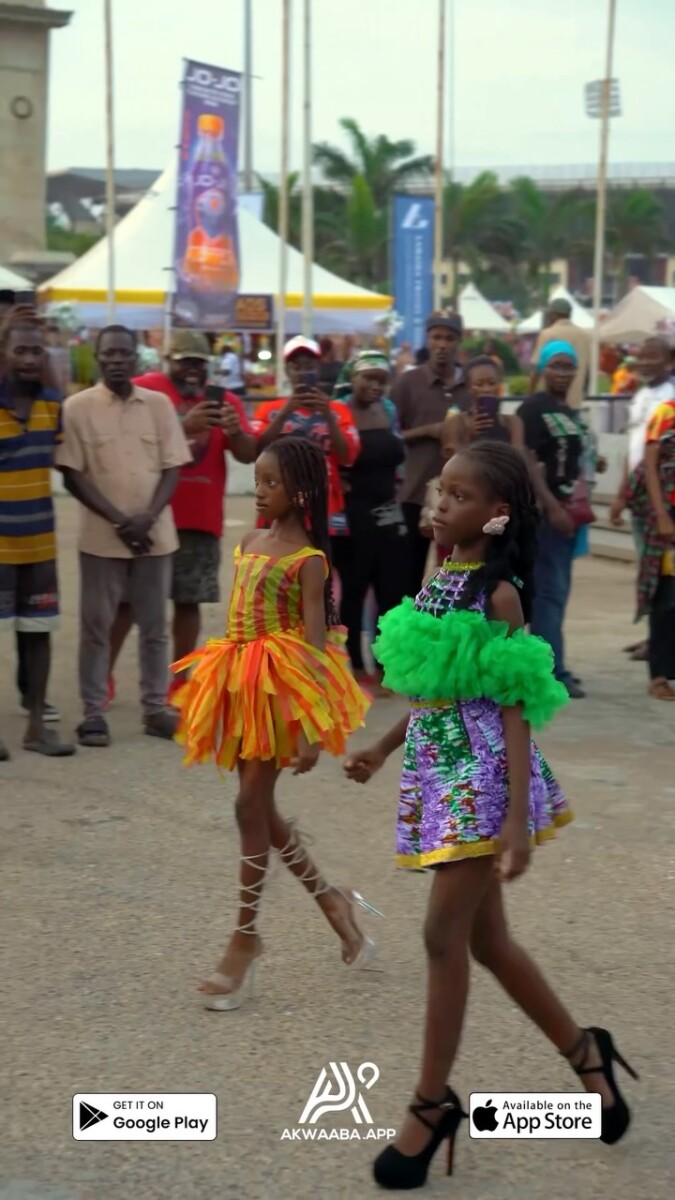
Ghanaian fashion designers use Chale Wote as a showcase. Pop-up shops and impromptu runway shows feature contemporary African fashion that ranges from wearable to avant-garde. If you are interested in Ghanaian fashion beyond the tourist-market kente, Chale Wote is where you see what the next generation of designers is doing.
Photography
Chale Wote is one of the most photographed events in Ghana. The combination of colorful murals, dramatic performances, colonial architecture, fishing boats, and the Atlantic Ocean as a backdrop makes every angle a photograph. Guided photography walks are sometimes offered, taking participants through Jamestown’s colonial history and fishing harbor with a local photographer as guide.
Practical Information
- Location: Jamestown, central Accra. Easily accessible from anywhere in the city by taxi, Uber, or trotro.
- Duration: Friday–Sunday. Most activities run 10 AM to late evening. Saturday is the busiest day.
- Cost: Free. Bring cash for food, drinks, and purchases from artist vendors.
- What to wear: Comfortable walking shoes (streets are uneven). Light, breathable clothing. Sunscreen. A hat.
- What to bring: Water (essential — it is hot and shade is limited), cash in small denominations (GHS 5–50), a charged phone or camera.
- What NOT to bring: Valuables you cannot secure. The crowds are dense and Jamestown is a poor area — pickpocketing happens. Keep phone in a front pocket.
The Accra Art District Connection
Chale Wote does not exist in isolation. Accra’s broader art scene — the Artists Alliance Gallery in Labadi, the batik and pottery workshops of the Art Centre, and the growing Osu gallery district — provides year-round context for the festival. If Chale Wote sparks your interest in Ghanaian contemporary art, the broader Accra scene has plenty to offer beyond one weekend in August.
Visit with Akwaaba
Chale Wote falls during Ghana’s August cultural season (alongside Homowo and the lead-up to Panafest). Akwaaba can build an Accra-focused itinerary that includes the festival alongside gallery visits, market tours, and nightlife experiences. Browse packages or contact us.
Frequently Asked Questions
Do I need tickets?
No. Chale Wote is completely free. Just show up in Jamestown.
Is Jamestown safe during the festival?
The festival atmosphere is generally safe and welcoming. Exercise normal urban caution — secure your phone, avoid displaying expensive jewelry, stay aware of your surroundings in crowds. Don’t wander alone into unlit areas at night.
Can I buy art at the festival?
Yes. Many artists sell prints, original works, jewelry, and crafts. Prices range from GHS 20 for small prints to thousands for original paintings. Cash is preferred.
Is it good for families?
Daytime activities are family-friendly. Evening performances may include mature content. The streets can be crowded and hot — bring water and plan for shade breaks with children.
How long should I spend?
Half a day minimum. A full day if you want to see multiple performances, explore the murals, and visit the fishing harbor. Two days if you are serious about photography or want to attend evening events.
Jamestown’s Colonial Architecture
Walking through Jamestown during Chale Wote means walking through layers of history. The neighborhood’s buildings tell the story of Ghana’s colonial past in stone, brick, and corrugated iron:
- James Fort (1673) — built by the English as a slave trading post, later used as a prison. Now partially open to visitors, though in need of restoration. Its position overlooking the fishing harbor makes it a powerful vantage point during the festival.
- Ussher Fort (1649) — the Dutch-built fortification that bookends Jamestown to the west. Recently restored with support from the Ghanaian government and international heritage organizations. Houses a small museum.
- Brazil House — a colonial-era building originally associated with returned enslaved Africans from Brazil. The architecture reflects Brazilian colonial style rather than British, a physical reminder of the diaspora connections that define Ghana’s heritage tourism appeal.
- The Lighthouse — Jamestown Lighthouse, built in the 1930s, is the tallest structure in the neighborhood. Climbing it (when access is permitted) gives you a panoramic view of the entire festival area, the fishing harbor, and the Atlantic coastline.
Chale Wote artists work with this architecture rather than against it. Murals are painted on colonial walls. Installations occupy abandoned trading rooms. Performances happen in courtyards that once served very different purposes. The festival does not ignore Jamestown’s painful history — it transforms it into a canvas for contemporary creativity.
The Fishing Harbor
At the southern edge of Jamestown, where the festival’s energy meets the Atlantic Ocean, sits one of Accra’s last active fishing harbors. Wooden canoes — painted in bright primary colors, each named with proverbs or religious declarations — are hauled onto the beach each morning after the night’s fishing. The catch is sorted, sold, and processed (smoked or sun-dried) on the beach in a process that has barely changed in centuries.
During Chale Wote, the harbor becomes an informal extension of the festival. Artists photograph the boats and fishermen. Performance pieces sometimes incorporate the beach. And the smoked fish — sold hot off the smoking racks — is some of the best street food you will find anywhere in Accra. A piece of smoked barracuda or herrings with shito (black pepper sauce) and kenkey, eaten standing on the beach while watching the festival unfold behind you, is a specific sensory experience that no restaurant can replicate.
After Chale Wote: Accra’s Permanent Art Scene
If Chale Wote leaves you wanting more (it usually does), Accra’s contemporary art scene extends well beyond one weekend:
- Gallery 1957 — in the Kempinski Hotel, this is Accra’s most internationally connected gallery, representing Ghanaian and diaspora artists
- Nubuke Foundation — a cultural center in East Legon with rotating exhibitions and artist residencies
- Artists Alliance Gallery — a large gallery and workshop space on the Liberation Road, featuring painting, sculpture, and textile art
- The Art Centre (Centre for National Culture) — Accra’s largest craft market, where you can buy everything from batik to carved masks directly from artisans
EVENTS IN GHANA
What's On in Ghana This Week
Festivals, concerts, cultural events, and experiences — updated every week.
Browse Events →
Lock in your Ghana trip for just $100 down
Flights, vetted stays, local guides and SanlamAllianz insurance — all handled. Reserve your spot with $100, pay the balance later.
FROM @AKWAABA.APP
See What Ghana Actually Looks Like
Our six latest posts on Instagram