The Sometutuza festival — also known as Keta-Sometutu-Za — is celebrated by the Some people of the Ketu South District in Ghana’s Volta Region, centered in the towns of Agbozume and Keta. It commemorates one of the most significant chapters in Ewe migration history: the Some people’s departure from Keta and their subsequent return and reunification.
Note on location: Sometutuza is a Volta Region festival, not a Greater Accra event. Some sources incorrectly associate it with the Shai people of Dodowa — that is a different ethnic group with their own separate festivals. The Some people are Ewe, and the festival takes place in the Keta lagoon area, approximately 180 km east of Accra.
Ghana’s Ministry of Tourism chose Sometutuza as the centerpiece of the national World Tourism Day celebration in 2025 — a recognition of the festival’s cultural significance and the Keta area’s untapped potential as a cultural tourism destination. For visitors interested in authentic Ewe culture away from the more-visited Accra and Cape Coast circuits, Sometutuza offers a genuine alternative.
History: The Some Migration
The Some people’s story follows the broader Ewe migration narrative — the exodus from Notsie in present-day Togo, fleeing the tyranny of King Agorkoli. But the Some branch of this migration has its own distinct chapters: settlement in the Keta lagoon area, displacement, conflict with neighboring groups, and eventual reunification of scattered Some communities.
Sometutuza literally commemorates this reunification — the moment when the dispersed Some people came together again in the Keta area and reestablished their community. The festival’s name reflects this gathering: it is a festival of coming together, of recognizing shared identity after separation.
EVERYTHING HANDLED FOR YOU
Akwaaba Covers the Full Trip — Not Just the Tour
When and Where
When: Annually, typically in the second half of the year. The 2025 celebration was held in September (coinciding with World Tourism Day). Exact dates are set by the Some Traditional Council.
Where: Agbozume and Keta, Ketu South District, Volta Region. The towns sit along the Keta Lagoon, one of the largest lagoons in Ghana.
Getting There
- From Accra: 180 km east, approximately 3.5 hours by road via the Accra-Aflao highway. The road is paved and in reasonable condition, though the stretch from Sogakope to Keta can be slow.
- From Ho (Volta Regional capital): 2.5 hours south via Akatsi.
- Public transport: Trotros from Accra to Keta/Agbozume run regularly from Tudu station (GHS 50–70).
What Happens During Sometutuza
Grand Durbar of Chiefs
The Some paramount chief and divisional chiefs sit in full traditional regalia — kente cloth, gold jewelry, sandals, and the ceremonial sword of office. Sub-chiefs arrive in procession with their entourages, accompanied by drumming and horn-blowing. The durbar is the political heart of the festival, where the state of the Some community is formally assessed and discussed.
Ewe Drumming and Dance
The musical performances at Sometutuza feature the full range of Ewe percussion: the atsimevu (master drum), sogo, kidi, kagan, and the gankogui (bell). Ewe drumming is one of the most rhythmically complex musical traditions in the world — studied in university music programs globally — and hearing it live, in context, at a festival rather than a concert stage, is a qualitatively different experience. The Agbadza dance — a social dance performed in a circle with synchronized footwork — is the main participatory dance, and visitors are usually invited to join.
Historical Recitations
Elders recount the Some migration narrative in formal oral history sessions. These recitations are delivered in Ewe, often in a stylized, rhythmic mode that sits between speech and song. For Ewe-speaking visitors, these sessions are the intellectual highlight of the festival. For non-Ewe speakers, having a guide who can translate in real-time transforms the experience from observation to understanding.
Community Feasting
Traditional Ewe dishes are prepared and shared: akple (corn and cassava dough), fetri detsi (okra stew), grilled tilapia and shrimp from the lagoon. The Keta area is famous for its seafood — the lagoon and nearby Atlantic coast supply fresh fish daily. Eating at Sometutuza is eating some of the best traditional Ewe cooking in Ghana.
The Keta Area
The Keta lagoon area is one of Ghana’s most underappreciated destinations:
- Keta Lagoon — a vast, shallow lagoon that supports fishing, salt production, and bird populations (flamingos, terns, herons)
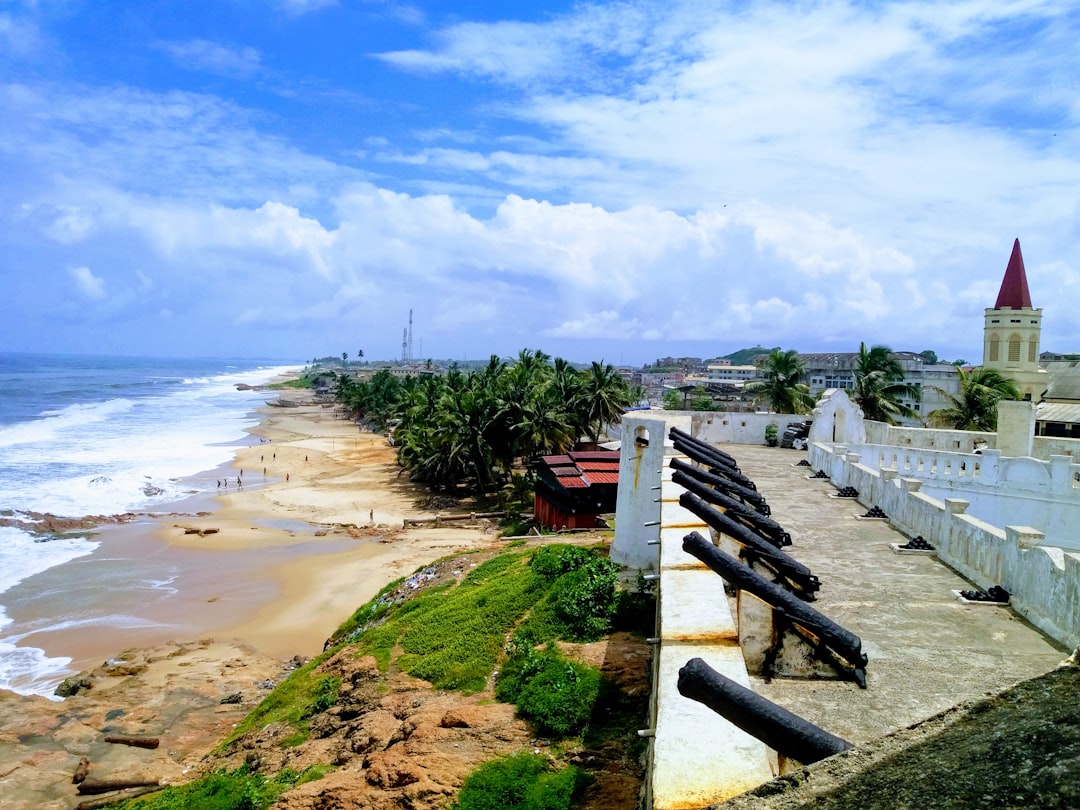
- Fort Prinzenstein — a Danish-built slave fort in Keta (1784), less visited but historically significant
- Keta Sea Defence Wall — a massive engineering project protecting the town from Atlantic erosion
- Anloga — the traditional Ewe capital and center of the shallot-growing industry, 15 minutes from Keta
- Volta Region attractions — Wli Waterfalls, Tafi Atome, and kente villages are accessible from Keta as multi-day extensions
Visit with Akwaaba
Sometutuza can be combined with a broader Volta Region itinerary including Wli Waterfalls, Kente villages, and the Hogbetsotso festival in nearby Anloga (if timing permits). Browse packages or contact us for Volta-focused tours.
Frequently Asked Questions
Is Sometutuza the same as the Shai festival in Dodowa?
No. Completely different ethnic group, different region, different festival. The Shai celebrate Ngmayem in Dodowa (Greater Accra). Sometutuza is a Some/Ewe festival in Keta (Volta Region).
Is the Keta area worth visiting outside of festival time?
Yes. The lagoon, Fort Prinzenstein, and the seafood alone justify a visit. Keta is also the gateway to Anloga and the broader southern Volta coast.
How far is Keta from Ada Foah?
Approximately 80 km east along the coast (1.5–2 hours). You can combine a visit to Keta/Sometutuza with Asafotufiami in Ada if the dates align.
Ewe Drumming: A World-Class Musical Tradition
The drumming you will hear at Sometutuza is not background music. Ewe percussion is studied in university music programs at Wesleyan, CalArts, UCLA, and across Europe as one of the most rhythmically sophisticated musical traditions on the planet. The polyrhythmic system — in which multiple drums play independent rhythmic patterns that interlock to create a larger composite rhythm — is a mathematical and aesthetic achievement that Western musicology spent decades trying to notate and understand.
At Sometutuza, the full drum ensemble typically includes: the atsimevu (master drum, played with sticks, improvising over the other patterns), the sogo (response drum), the kidi and kagan (supporting time-keeping drums), and the gankogui (double iron bell providing the timeline pattern that anchors everything else). The bell pattern is the key — once you can hear it, the apparent chaos of multiple drum patterns resolves into an ordered, interlocking structure.
If you are interested in African music, hearing a master atsimevu player at Sometutuza — improvising in real-time over five other musicians, responding to dancers’ movements, building and releasing tension — is worth the trip alone. This is not drumming you can approximate on a YouTube recording. The physical impact of being inside a live Ewe drum circle is qualitatively different from any recorded version.
The Keta Lagoon Ecosystem
The Keta Lagoon — the body of water that defines the geography of the Sometutuza area — is one of Ghana’s most ecologically significant wetlands. Covering approximately 300 km² at its maximum extent, the lagoon supports commercial fishing, salt production, and one of the most important bird habitats in West Africa.
During the dry season, the lagoon shrinks and salt concentrations increase, creating conditions for commercial salt harvesting that has been practiced here for centuries. During the wet season, the lagoon expands and freshwater inflows support fish populations that feed surrounding communities. This annual cycle of expansion and contraction mirrors the agricultural rhythms that underpin festivals like Sometutuza — the land and water providing, the people giving thanks.
Birdwatchers should know that the Keta Lagoon is a Ramsar-designated wetland of international importance. Greater and lesser flamingos, royal terns, and dozens of migratory species use the lagoon as a resting and feeding site. November through March is peak birding season, though resident species are present year-round.
EVENTS IN GHANA
What's On in Ghana This Week
Festivals, concerts, cultural events, and experiences — updated every week.
Browse Events →
Lock in your Ghana trip for just $100 down
Flights, vetted stays, local guides and SanlamAllianz insurance — all handled. Reserve your spot with $100, pay the balance later.
FROM @AKWAABA.APP
See What Ghana Actually Looks Like
Our six latest posts on Instagram