
Ghana for African Americans — Coming Home
Walk the grounds your ancestors walked. Stand at the Door of No Return, then turn around and walk back through it. Ghana is not just a destination — it is a homecoming.
Plan Your Heritage Journey →Why African Americans Are Choosing Ghana
There is a feeling that washes over you the moment you step off the plane in Accra. The air is different. The faces are familiar in a way that is hard to articulate but impossible to deny. For African Americans, Ghana is not a vacation — it is a pilgrimage. Since the Year of Return in 2019, thousands of Black Americans have made the journey, and many have never truly left. Ghana welcomed the diaspora with open arms, policy changes, and a message that still echoes across the Atlantic: you are home.
Year of Return Legacy
In 2019, Ghana invited the global African diaspora to return to the continent that was taken from them. Over 750,000 people answered the call, and the movement transformed into Beyond the Return — a permanent initiative to strengthen ties between Ghana and its diaspora. The doors are open, and they are not closing.
Cape Coast Castle
Standing in the dungeons where enslaved Africans were held before being shipped across the Atlantic is a moment that changes you. The castle is not a museum — it is a memorial, a wound, and a place of reckoning. Every African American who visits Ghana should stand here at least once in their lifetime.
Naming Ceremonies
In Ghanaian tradition, a child is named on the eighth day after birth. Many African Americans participate in naming ceremonies during their visit, receiving a Ghanaian name that connects them to the Akan day-naming system. It is a deeply emotional ritual that many describe as the most meaningful moment of their trip.
Right to Abode
Ghana offers the Right to Abode to people of African descent, allowing them to live and work in the country indefinitely. This is not just symbolism — it is policy. Ghana is the only country in Africa that has explicitly told the diaspora: you have a legal right to come home.
Diaspora Community
A growing community of African American expats has settled in Accra, particularly in neighborhoods like East Legon, Airport Residential, and Osu. These are entrepreneurs, teachers, artists, and retirees who decided that the pull of the motherland was stronger than anything keeping them in the States.
Cultural Connection
From the rhythms of the drums to the communal way meals are shared, from the proverbs spoken by elders to the warmth of strangers who call you “sister” or “brother” without hesitation — Ghana feels like a place you have always known. The cultural connection is visceral and immediate.
EVERYTHING HANDLED FOR YOU
Akwaaba Covers the Full Trip — Not Just the Tour
1 App.
Plan. Book. Explore Ghana.
- Plan your trip with AI
- Book experiences & stays
- Grab event tickets
- Earn & redeem rewards
- $50 airport chauffeur
- 24/7 trip support


The Heritage Journey
The heritage experience in Ghana is not a sightseeing tour. It is an emotional, spiritual, and deeply personal journey through the history of the transatlantic slave trade and the resilience of the people who survived it. Our heritage journeys are designed with sensitivity, depth, and respect for the weight of what you will encounter.
Cape Coast Castle
The whitewashed walls of Cape Coast Castle hide one of humanity’s darkest chapters. Beneath the governor’s quarters — where colonizers dined and worshipped in a chapel directly above the dungeons — enslaved Africans were packed into lightless rooms for months before being sent through the Door of No Return. Walking through those dungeons, you can still see the marks on the walls. The air is thick with memory. When you walk through the Door of No Return and emerge onto the rocky shore where ships once waited, the Atlantic stretches before you — the same ocean your ancestors were forced to cross. Many visitors weep. Some pray. Some stand in silence. All are changed.
Elmina Castle
The oldest European building in sub-Saharan Africa, Elmina Castle was built by the Portuguese in 1482 and later became a major hub of the slave trade under Dutch control. The castle’s architecture tells the story of colonialism in stone: trading rooms, punishment cells, the church, and the female dungeons where women were selected and abused by the governor. Visiting both Cape Coast and Elmina in the same day is overwhelming but necessary — the two sites together give a complete picture of the industrial scale of the trade.
Assin Manso Slave River
Before being taken to the coastal castles, enslaved Africans were marched to Assin Manso, where they took their last bath in the river before the journey to the coast. The site is now a memorial park where the remains of two enslaved Africans — returned from the United States and Jamaica — have been reinterred. Standing at the river, you understand the full geography of suffering: the inland capture, the march, the bath, the castle, the ship, the ocean.
W.E.B. Du Bois Center
The great scholar and civil rights leader W.E.B. Du Bois spent his final years in Accra, where he worked on the Encyclopedia Africana at the invitation of President Kwame Nkrumah. His home is now a museum and memorial, and his grave sits in the garden. For African Americans, visiting Du Bois’s final resting place is a reminder that the connection between Black America and Ghana is not new — it was forged by the greatest minds of the 20th century. Use our AI planner to build a heritage itinerary that includes all these sites.
Heritage Tour Packages
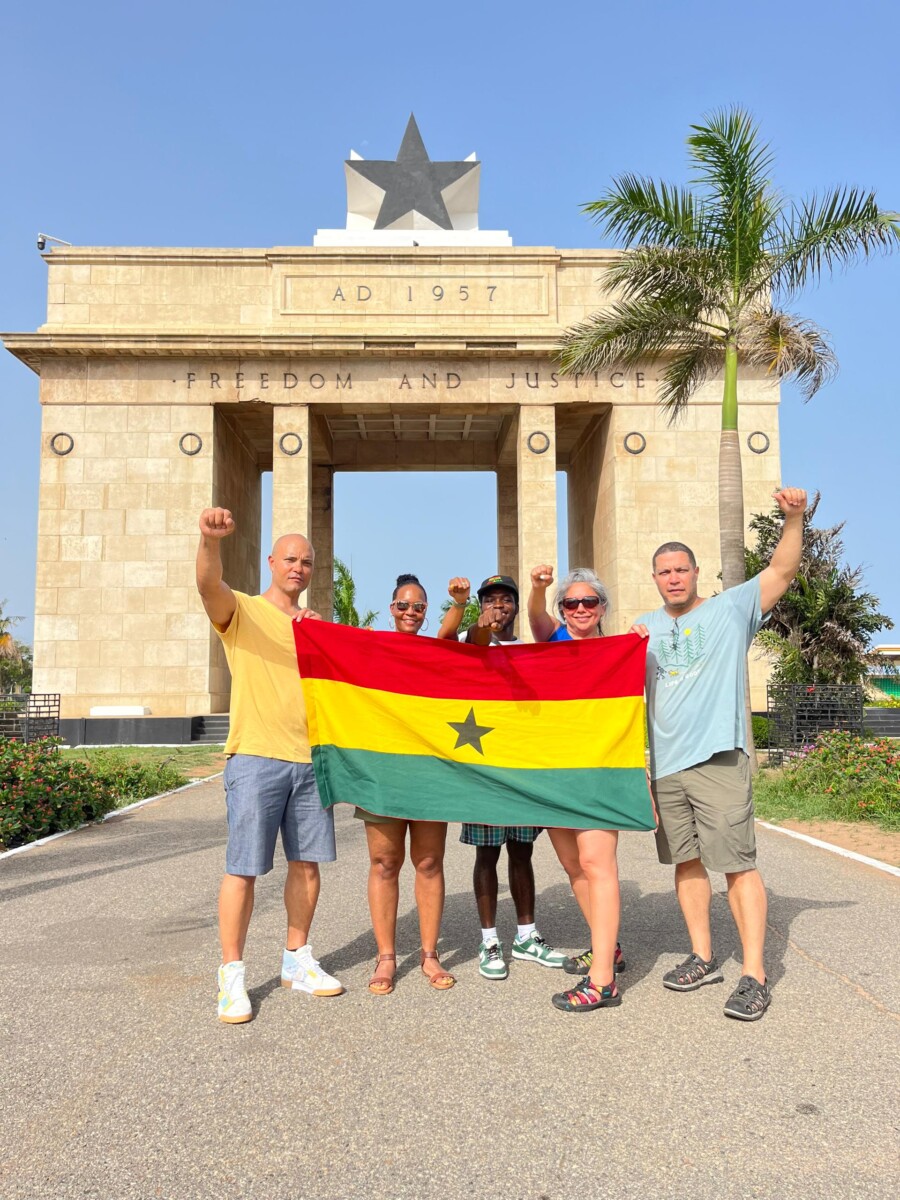
We have designed heritage packages specifically for African Americans and diaspora travelers who want a journey that goes deeper than typical tourism. Every package includes a heritage guide — not just a tour guide, but someone trained in the history, the emotions, and the significance of each site.
Heritage & History Tour
Our signature Heritage Trail package covers Cape Coast Castle, Elmina, Assin Manso, the W.E.B. Du Bois Center, Kwame Nkrumah Memorial, and Kakum National Park canopy walk. The tour includes a naming ceremony, a visit with a local chief, and a community welcome celebration. Accommodation in boutique hotels, all meals, and private transport throughout.
Plan This Trip →Detty December Heritage + Festival
Combine the emotional depth of a heritage journey with the electric energy of Ghana’s biggest party season. Detty December brings the entire diaspora to Accra for concerts, beach parties, and cultural events that last all month. Our package weaves heritage site visits into the festival schedule so you experience both the history and the celebration. This is the trip that thousands of African Americans have made their annual tradition.
Build Your Detty December →Custom Heritage Journey
Design your own heritage itinerary at your own pace. Whether you want a week focused entirely on ancestral sites or a mix of heritage, food, and nightlife, our team builds a day-by-day plan tailored to your interests. Every day includes accommodation, meals, private transport, and a dedicated guide. No group schedules — your journey, your pace. Message us on WhatsApp to start the conversation.
Start Planning →Practical Guide for African American Travelers
Everything you need to know before making the journey. Ghana is one of the safest, most welcoming, and most accessible countries in Africa for American travelers.
Visa & Right to Abode
US passport holders can obtain a visa on arrival at Kotoka International Airport in Accra for approximately $150 (single entry, 30 days). For longer stays or permanent relocation, Ghana’s Right to Abode program allows people of African descent to apply for indefinite residency. The application requires proof of African heritage and can be processed through the Ghana Immigration Service. Many African Americans have used this pathway to establish legal residency, open businesses, and build lives in Ghana.
Flights from the US
Direct flights to Accra (ACC) are available from Atlanta (ATL) on Delta, New York JFK on United and Kenya Airways, and Washington Dulles (IAD) on United. Flight times range from 10 to 12 hours. Atlanta’s direct route is the most popular among African American travelers and often features the best fares, especially during Detty December season. Book early for December travel — flights sell out months in advance.
Best Time to Visit
Ghana is a year-round destination, but the most popular periods for diaspora travelers are December (Detty December and AfroFuture) and July–August (Panafest and Emancipation Day). The dry season (November–March) offers the most comfortable weather. The events calendar shows what is happening during your planned dates.
What to Expect
Ghana is warm, welcoming, and deeply curious about its diaspora visitors. You will be greeted with genuine hospitality everywhere you go. English is the official language, so communication is effortless. The currency is the Ghanaian Cedi (GHS), and US dollars are widely accepted at hotels and tour operators. Mobile money (MTN MoMo) is the preferred payment method for locals. Accra is a modern, cosmopolitan city with world-class restaurants, rooftop bars, and a thriving arts scene alongside traditional markets and historic sites.
The Diaspora Community in Ghana
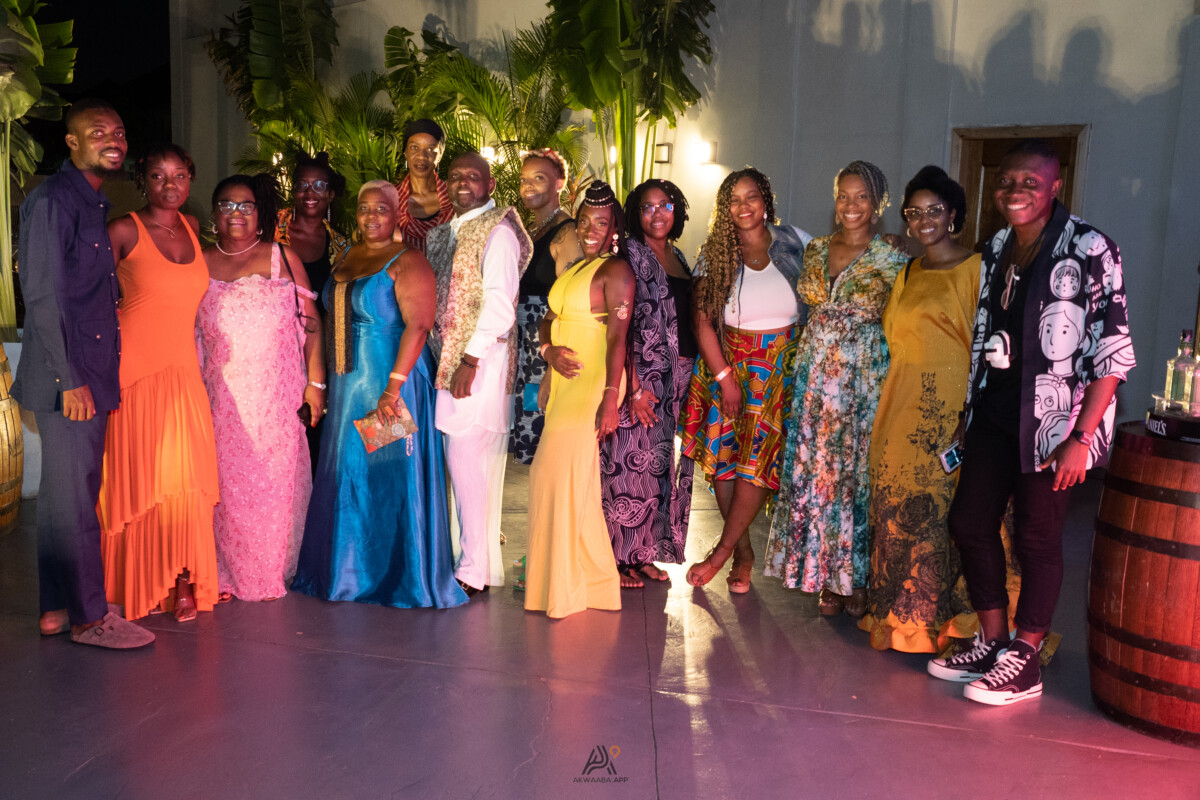
You will not be the first African American to make this journey, and you will not be the last. A vibrant and growing community of Black Americans has made Ghana their home, and they are building something remarkable.
The Year of Return in 2019 brought global attention to Ghana’s open-door policy toward the African diaspora, but the movement started long before that. African Americans have been relocating to Ghana since the 1960s, following the path of W.E.B. Du Bois, Maya Angelou, and other luminaries who recognized Ghana’s unique place in the Pan-African story. Today, the community numbers in the thousands and includes entrepreneurs running businesses in tech, hospitality, and real estate; teachers at international schools; artists and musicians collaborating with Ghanaian creatives; and retirees who discovered that their pensions stretch further in a country that treats them like family.
The Beyond the Return initiative, launched by the Ghanaian government as a successor to the Year of Return, focuses on seven pillars: heritage tourism, investment, arts and culture, charity, entrepreneurship, spiritual enrichment, and healthcare. These are not empty promises — the government has streamlined visa processes, created investment incentives, and established the Diaspora Affairs Bureau to support returning Africans. Organizations like the African American Association of Ghana (AAAG) provide community support, networking events, and practical guidance for newcomers.
If you are considering a longer stay or permanent move, our AI planner can help you design an exploratory trip that includes meetings with expat community leaders, neighborhood tours, and real estate visits alongside the heritage experiences. Think of it as a homecoming with a business case.
Frequently Asked Questions
Ghana is consistently ranked as one of the safest countries in Africa. It has a stable democracy, low crime rates by regional standards, and an exceptionally welcoming attitude toward diaspora visitors. As with any international travel, standard precautions apply — avoid displaying expensive jewelry, use reputable transport, and be aware of your surroundings at night. But overwhelmingly, African Americans report feeling safer in Ghana than in many US cities. The warmth of the welcome is genuine and immediate.
US passport holders can obtain a visa on arrival at Accra’s Kotoka International Airport for approximately $150 (single entry, 30 days). You can also apply in advance through the Ghana Embassy or eVisa portal. For longer stays, the Right to Abode program offers indefinite residency to people of African descent. Our AI planner can help you understand the visa options best suited to your trip length and goals.
While dual citizenship is available, the most accessible path for African Americans is the Right to Abode, which grants indefinite residency and the right to work without requiring you to renounce US citizenship. Full citizenship requires a longer process and residency period. Many diaspora members find that the Right to Abode provides everything they need to live, work, and build a life in Ghana.
The African American Association of Ghana (AAAG) hosts regular meetups, brunches, and networking events. Social media groups on Facebook and Instagram connect diaspora members before and after their trips. Many diaspora-owned businesses in Osu, East Legon, and Airport Residential serve as informal community hubs. Our guides can introduce you to community leaders and events during your visit. Message us on WhatsApp and we will connect you.
December is the most popular month for diaspora travelers thanks to Detty December and AfroFuture. July and August offer Panafest and Emancipation Day celebrations focused specifically on heritage and homecoming. The dry season (November through March) has the most comfortable weather. Ghana is a year-round destination, so there is no bad time — just different experiences depending on the season. Check the events calendar for what is happening during your dates.
A naming ceremony (also called outdooring) is a traditional Ghanaian ritual held on the eighth day after a child’s birth. For diaspora visitors, a special naming ceremony can be arranged where you receive a Ghanaian name based on the day of the week you were born and the values your host family wishes to bestow upon you. The ceremony involves libation pouring, prayers, and community celebration. Many African Americans describe their naming ceremony as the most emotionally powerful experience of their Ghana trip — the moment they felt they truly had a name in Africa.
Your Ancestors Survived So You Could Return
This is not just a trip. It is a homecoming. Let Akwaaba guide your journey back to the land that has been calling your name for 400 years.
Come home. Give home.
Your return helps a Ghanaian child meet their own history
The same walls you’ll stand in — Cape Coast, Elmina, Assin Manso — most Ghanaian schoolchildren have never visited. Akwaaba runs a foundation that helps change that, sending young Ghanaians to stand in their own history. Your homecoming helps write theirs — the difference no other operator can offer.
Meet the Akwaaba Foundation →Lock in your Ghana trip for just $100 down
Flights, vetted stays, local guides and SanlamAllianz insurance — all handled. Reserve your spot with $100, pay the balance later.