Things to Do in Kumasi
Ashanti culture, Kejetia Market, and royal palaces
Things to Do in Kumasi — The Ashanti Kingdom Experience
Kumasi is not like Accra.
Where Accra is cosmopolitan, outward-facing, and comfortable being compared to other African capitals, Kumasi is proud of being exactly what it is. It is the seat of one of Africa’s great kingdoms — a civilisation that built gold-roofed palaces, created kente cloth that went on to become a global symbol of African identity, and fought the British through three wars before the colonisers finally took the city in 1901. Even then, the Ashanti never fully conceded. The British tried to exile the Asantehene permanently. The Ashanti demanded his return for decades until they got it.
The Ashanti Kingdom still exists today. The Asantehene holds court at Manhyia Palace. Chiefs still process in gold and kente on ceremonial days. Kente weavers in Bonwire village still work on the same style of strip loom their great-grandparents used. Kejetia Market, 12 acres of traders and commerce, remains one of the largest open-air markets in West Africa.
Kumasi is 4.5 hours north of Accra and one of the most rewarding journeys you can make in Ghana.
Book Kumasi tours and Ghana all-inclusive packages through Akwaaba App
1 App.
Plan. Book. Explore Ghana.
- Plan your trip with AI
- Book experiences & stays
- Grab event tickets
- Earn & redeem rewards
- $50 airport chauffeur
- 24/7 trip support


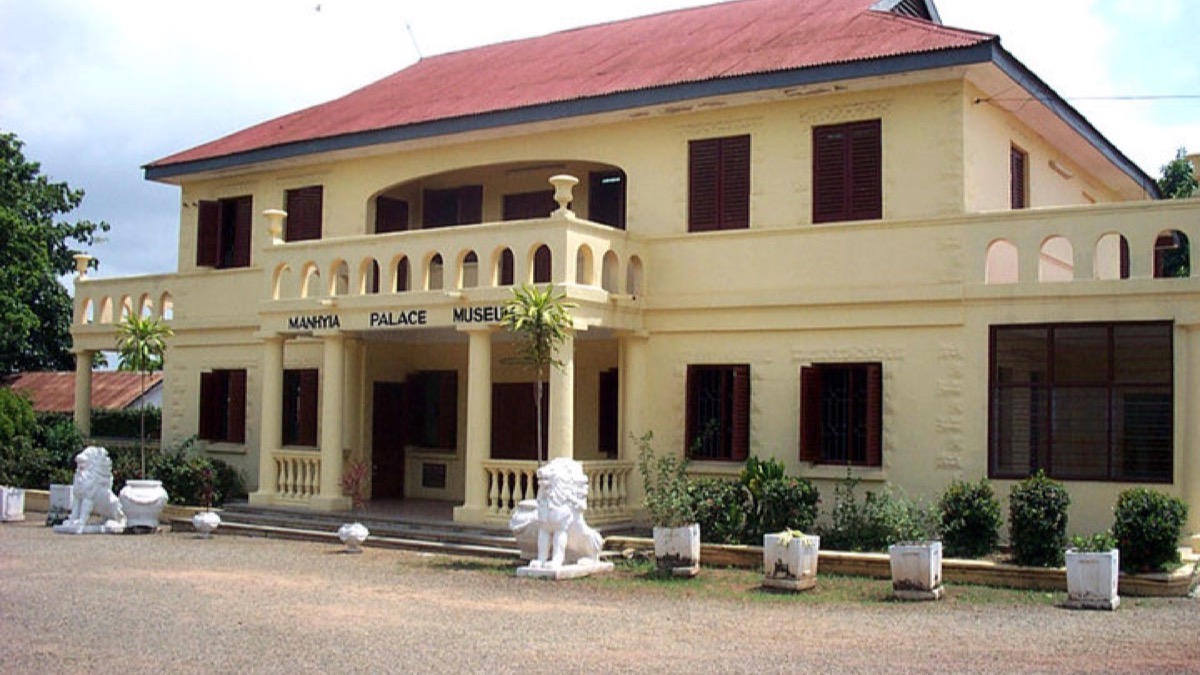
1. Manhyia Palace Museum
The official residence of the Asantehene and one of the most important cultural sites in the country. The museum traces the full arc of Ashanti history — founding in the 17th century, the three Anglo-Ashanti Wars, the British exile of the Asantehene, and the restoration of the kingdom.
The Golden Stool of the Ashanti is not on display — it is considered too sacred, embodying the soul of the Ashanti people, and is kept from public view. But its story is told in detail here, and the royal regalia on display is extraordinary: gold jewellery, kente ceremonial robes, swords, war trophies from battles that the British did not always win. Entry is GHS 50 adults, GHS 25 children. Open Monday–Saturday 9am–5pm; allow 1–1.5 hours. The guides at Manhyia are genuinely knowledgeable — do not skip the guided tour.
Planning a trip to Ghana?
Akwaaba handles the details — flights, accommodation, transfers, and experiences. Free 30-minute call.
Related: sacred Lake Bosomtwe — Ghana’s crater lake
2. Attend an Akwasidae Ceremony
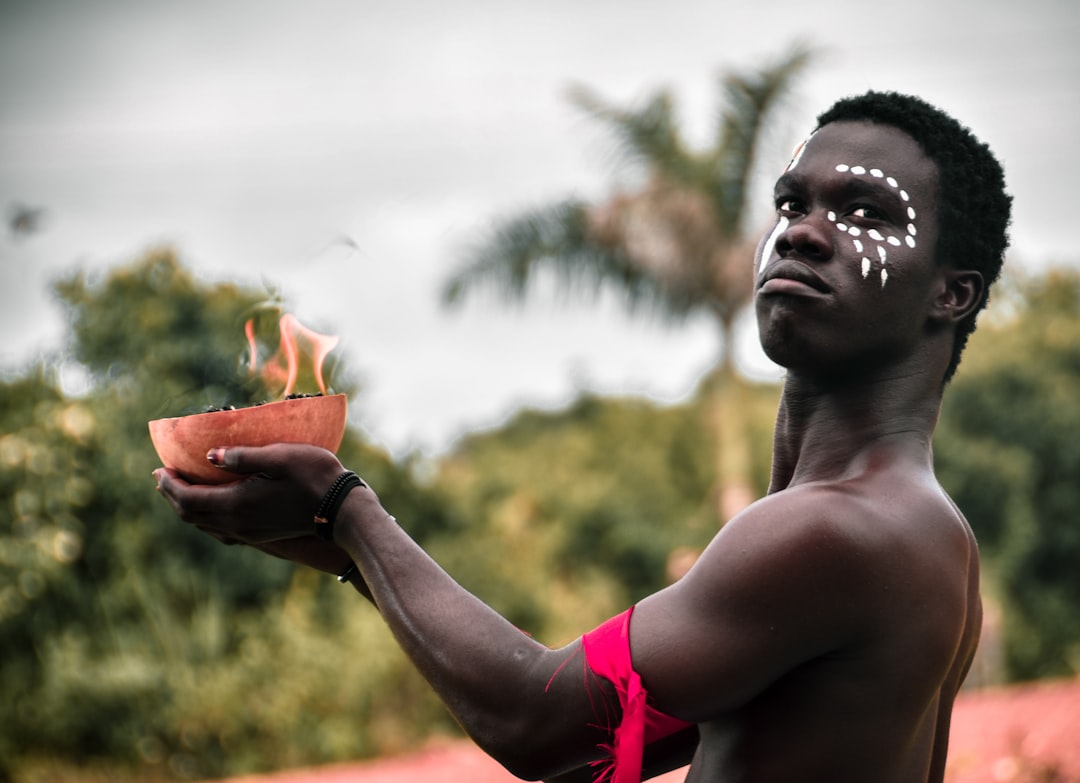
Every 42 days on the Akan calendar, the Asantehene holds open court at Manhyia Palace. Chiefs from across the Ashanti kingdom arrive in full procession — handwoven kente robes, gold jewellery, ceremonial umbrellas held over each chief’s head by an attendant, fontomfrom royal drums beating the whole time. The Asantehene receives his chiefs and pours libations.
Visitors are welcomed to observe. There is nothing else quite like it anywhere in Africa, and you don’t have to be Ashanti for it to move you. Attendance is free. The dates follow the 42-day Akan calendar — contact Akwaaba App for the next upcoming date. Dress respectfully, arrive early for a good position, and bring your camera. Photography is generally permitted in public areas.
3. Kejetia Market (Kumasi Central Market)
One of the largest markets in West Africa. Twelve acres. More than 10,000 traders. Kente cloth and smoked fish and spare car parts and fresh yam and traditional medicine and second-hand clothing and fabrics from across West Africa. Walking into Kejetia without knowing what you’re doing is genuinely disorienting — in the best way, for about 20 minutes, and then you will want a guide.
Free to enter. Best on Tuesday–Thursday, before 11am before the heat peaks. Hire a local guide through Akwaaba App — Kejetia is large enough that even Kumasi residents who haven’t been in a while get turned around, and a good guide doesn’t just prevent that, they take you to the traders and specialists you would never find on your own.
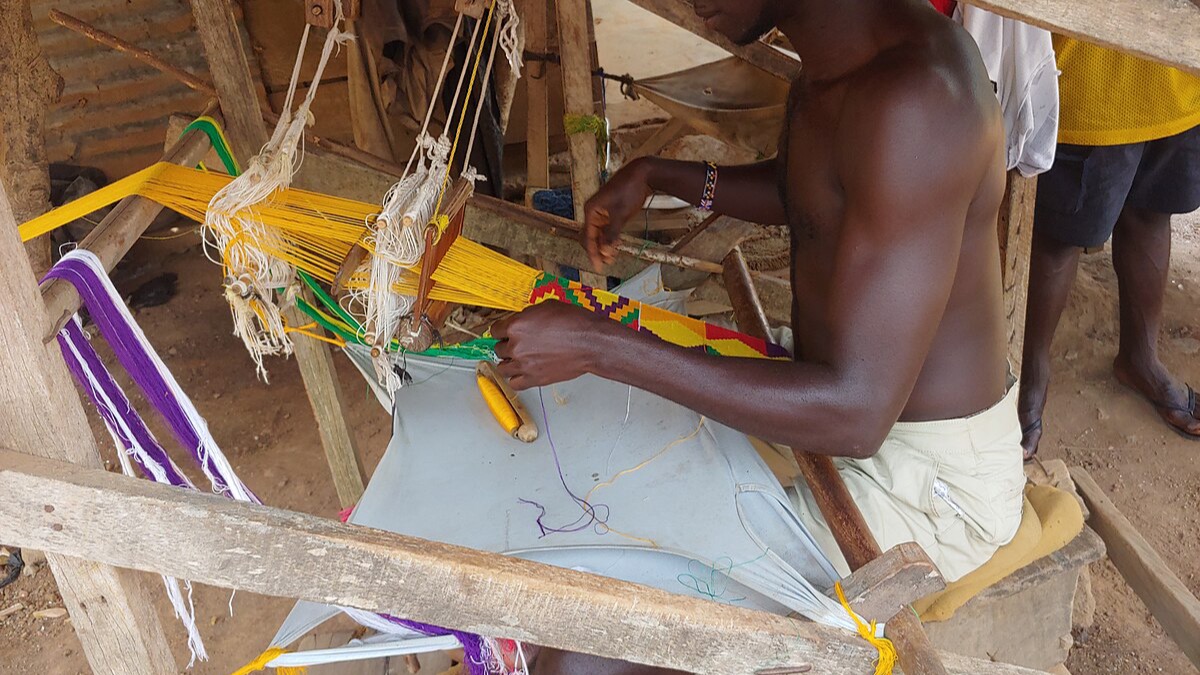
4. Kente Weaving at Bonwire
Bonwire, 30 minutes from Kumasi, is where kente weaving comes from. The cloth is woven in narrow strips on traditional looms and then sewn together into the geometric patterns that people recognise worldwide. Each pattern has a name and a meaning — weavers at Bonwire will explain them if you ask.
Master weavers here work on looms that have been passed through generations. You can watch the process, understand what goes into a single piece of cloth, and buy directly from the weavers at prices that are significantly lower than what you’d pay in Accra. Free to watch; kente strips from GHS 100; full cloth from GHS 500–2,000+. Shared taxi from Kumasi central: GHS 5, about 30 minutes.
5. Adinkra Printing at Ntonso
Ntonso is to Adinkra cloth what Bonwire is to kente. Adinkra is a traditional Ashanti fabric stamped with symbolic patterns — each one meaning something specific — using hand-carved calabash stamps and a natural black dye made from boiled tree bark.
At Ntonso you can watch the whole process from bark collection through dye preparation to carving and stamping, and you can stamp your own cloth yourself. It is one of those hands-on cultural experiences that actually holds up. Free to observe; workshop participation from GHS 50; Adinkra cloth from GHS 100–500. About 20 minutes from Kumasi by shared taxi.
6. Kumasi Cultural Centre
A large arts complex near the city centre with a regional museum, craft workshops, performance spaces, and a craft market. Less hectic than Kejetia and a good starting point before you go deeper into the city. Free entry; craft purchases optional. Open Monday–Saturday 9am–6pm. The craft market here is more curated than Kejetia — better for deliberate shopping. The museum’s Ashanti artefacts are solid, and there are regular traditional music and dance performances if timing works out.
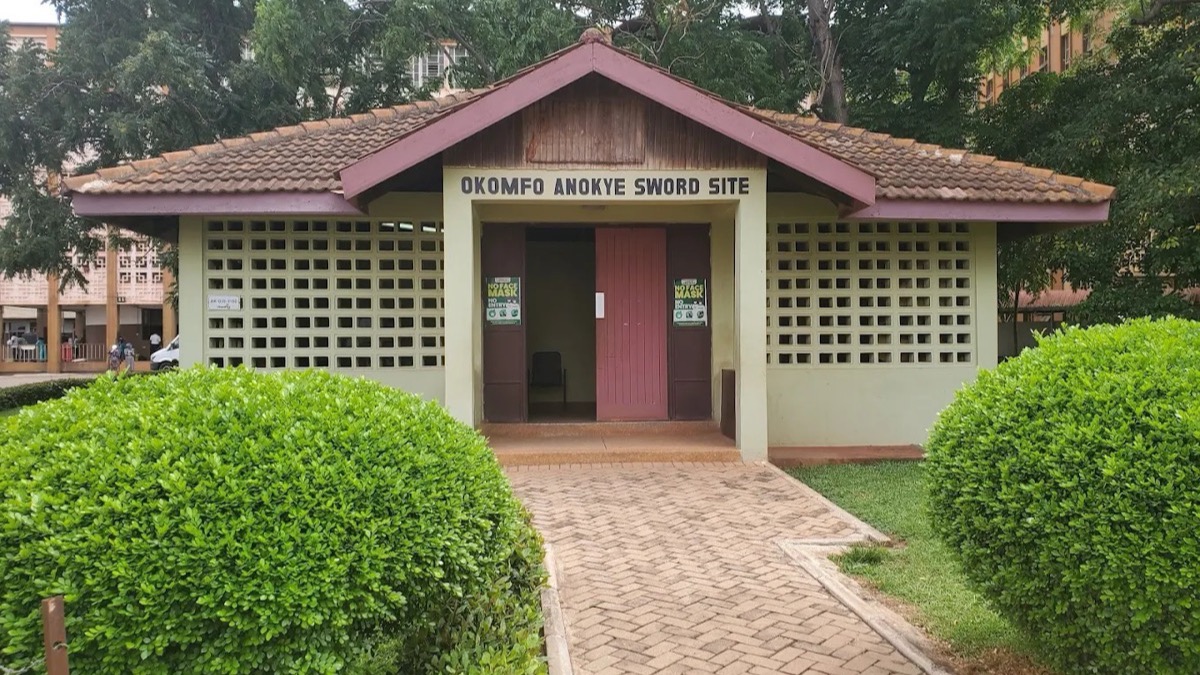
7. Okomfo Anokye Sword Site
In 1701, according to Ashanti oral tradition, the great priest Okomfo Anokye drove a sword into the ground in Kumasi, called the Golden Stool down from the sky, and in doing so brought the Ashanti clans together into a single nation. The sword, driven to the hilt, has allegedly never been successfully removed.
The site is maintained within the Komfo Anokye Teaching Hospital compound. A viewing area lets you see the sword — still there, still in the ground. Entry is GHS 10. It is a quiet, modest site and that is exactly as it should be.
8. Lake Bosumtwe
Ghana’s only natural lake — a meteorite crater lake 30km south-east of Kumasi, ringed by hills and forest. The Ashanti consider it sacred: tradition holds that the souls of the dead cross the lake on their way to the afterlife. Out of respect for this, fishing is done from wooden planks rather than boats. Swimming is permitted in the resort area on the shore.
Good for a half-day away from the city — nature, swimming, quiet, and photography. GHS 20 day pass at the resort. About 45 minutes from Kumasi by private hire.
9. Bobiri Butterfly Sanctuary
A forest reserve 30 minutes east of Kumasi with over 400 recorded butterfly species. Guided walks through the forest — butterflies, birds, and occasionally primates. One of the better nature day trips you can do from Kumasi without going far. Entry and guide: GHS 30. Open daily 7am–5pm. Near Ejisu.
10. Kumasi Fort & Military Museum
A British fort built after the Third Anglo-Ashanti War in 1900, now operating as a military museum. The exhibits on the Ashanti Wars are worth seeing specifically as context for Manhyia Palace — the two sites together give you a much fuller picture of what happened between the Ashanti and the British than either does alone. GHS 10–20. Open Tuesday–Sunday 9am–5pm.
Kumasi Practical Guide
Related: What Really Happened at Cape Coast Castle?
Related: about us
Getting to Kumasi from Accra
- Bus (VIP/STC): GHS 80–100; 4–5 hours from Accra; air-conditioned, comfortable
- Private hire car: GHS 500–800 each way; 4–4.5 hours via the Kumasi motorway
- Domestic flight: Africa World Airlines (AWA) flies Accra–Kumasi in 45 minutes. Around $80–$120 return. The right call if you have limited time.
Where to Stay in Kumasi
- Hotel Georgia — upscale; from GHS 600/night
- Anita Hotel — mid-range, reliable, in Ejisu just outside the city; from GHS 300/night
- Miklin Hotel — good value, clean, business hotel; from GHS 250/night
How Long Do You Need?
- Day trip from Accra: Only realistic by domestic flight. Gets you Manhyia Palace + Kejetia + one village — rushed but doable.
- Overnight (1 night): Manhyia, Kejetia, Bonwire at a comfortable pace.
- 2 nights: Adds Ntonso, Lake Bosumtwe, Bobiri Butterfly Sanctuary, and Odwira Festival if dates line up.
Best Time to Visit Kumasi
- October: Odwira Festival — the most important cultural event in the Ashanti calendar
- December–February: Dry season, comfortable temperatures
- Year-round: Manhyia Palace, Kejetia, and the kente villages are worth visiting in any month
🇬🇭 Planning a trip to Ghana?
Use the Akwaaba AI Trip Planner — answer 5 quick questions and get a personalised day-by-day Ghana itinerary in 60 seconds. Free to try.
Frequently Asked Questions
Is Kumasi worth visiting?
Yes. Kumasi is the cultural heart of Ghana. If you care at all about African history, traditional craft, or living royal culture, it should be on your itinerary.
How far is Kumasi from Accra?
About 270km — 4 to 4.5 hours by road, or 45 minutes on a domestic flight.
What is the best thing to do in Kumasi?
Manhyia Palace Museum for depth and history. Kejetia Market for sheer scale and atmosphere. Bonwire for watching kente being made. Odwira Festival in October for the single most spectacular cultural experience Ghana offers.
More Ghana Guides
- 50 Best Things to Do in Ghana →
- Ghana Festivals Calendar 2026 →
- All-Inclusive Ghana Packages →
- Things to Do in Accra 2026 →
Last updated: February 2026
Want the Full Kumasi Experience, Guided?
No single-day Kumasi tour is listed yet — the real, bookable option today is the full Ashanti heritage trip:
Kumasi Royal Heritage — 3 Days → — Manhyia Palace, Ashanti cultural sites, guided throughout. \.93 total, all-inclusive.
READY TO MAKE IT REAL?
Talk to a local Ghana expert — free.
30 minutes. No pressure. We’ll build your Ghana trip around what actually matters to you.
Ready to Experience Ghana?
Browse curated tour packages or plan your custom trip.
Plan your Ghana trip
Don't just read about it. Go.
Akwaaba plans and books Ghana trips for diaspora travelers. Free AI itinerary in 60 seconds — or WhatsApp our team to get a custom quote today.

Akosua Adoma is Akwaaba’s Marketing Manager and Ghana travel specialist. She has spent years exploring Ghana’s most iconic destinations — from the Cape Coast dungeons to the canopy walkways of Kakum — and helping diaspora travelers reconnect with the continent. She oversees Akwaaba’s content strategy, community partnerships, and brand storytelling.
Lock in your Ghana trip for just $100 down
Flights, vetted stays, local guides and SanlamAllianz insurance — all handled. Reserve your spot with $100, pay the balance later.
FROM @AKWAABA.APP
See What Ghana Actually Looks Like
Our six latest posts on Instagram