The Volo festival — known locally as Tugbedzo-Za — is celebrated by the people of the Volo Traditional Area in the North Tongu District of Ghana’s Volta Region. It is a deeply significant cultural event that commemorates the historic migration of the Volo people, their survival through adversity, and their gratitude for the Volta River that sustains their communities today.
Unlike Ghana’s more internationally known festivals, Tugbedzo-Za remains an authentically local celebration — unaffected by tourism packaging, attended primarily by community members and returning diaspora Volo people. For visitors seeking genuine cultural immersion rather than performance, this is exactly the kind of festival worth planning around.
History and Origin of Tugbedzo-Za
The name “Tugbedzo-Za” translates roughly to “the festival of the unexploded bomb” — a reference to a pivotal moment in Volo history. According to oral tradition, during a period of conflict, a bomb (or explosive device) sent from Danish colonial forces failed to detonate when it reached the Volo settlement. The people interpreted this as divine intervention — a sign that their ancestors and gods were protecting them.
The festival also commemorates the broader Ewe migration narrative — the exodus of the Ewe people from Notsie (in present-day Togo), where they fled the tyrannical rule of King Agorkoli. The Volo people, as part of this migration, eventually settled along the lower Volta River, establishing the communities that exist today in the North Tongu District.
This dual significance — survival from colonial aggression and ancestral migration — gives Tugbedzo-Za a depth of meaning that resonates across generations. Elders use the festival as an opportunity to retell these stories, ensuring that younger generations understand both the hardship and resilience that shaped their identity.
EVERYTHING HANDLED FOR YOU
Akwaaba Covers the Full Trip — Not Just the Tour
When Is Tugbedzo-Za Celebrated?
Tugbedzo-Za is celebrated in April each year, typically spanning several days. The exact dates are set by the Volo Traditional Council and announced in advance through local media and community networks. The festival’s timing coincides with the beginning of the major farming season, making it both a cultural celebration and an agricultural marker.
Key dates in 2026: Dates for the 2026 celebration have not yet been formally announced. Check with the Akwaaba team for confirmed dates as they are released — we update our festival calendar as traditional councils make announcements.
What Happens During Tugbedzo-Za
Day 1–2: Spiritual Preparation
The festival begins with rituals performed by traditional priests at sacred sites along the Volta River. Libations are poured to honor the ancestors who led the migration from Notsie, and prayers are offered for the community’s wellbeing in the coming year. These ceremonies are typically closed to outsiders, though visitors may observe from a respectful distance with the permission of elders.
Day 3–4: Community Gatherings
The middle days of the festival are characterized by communal activities:
- Traditional drumming and Agbadza dance — The Agbadza is the signature dance of the Ewe people, performed with synchronized footwork and accompanied by a complex polyrhythmic drum ensemble. Watching a master Agbadza performance is one of the most compelling cultural experiences in southern Ghana.
- Community feasting — Families prepare traditional Ewe dishes including akple (corn and cassava dough), fetri detsi (okra stew), and grilled tilapia from the Volta River. Visitors are welcomed to share food — hospitality is central to Ewe culture.
- Storytelling sessions — Elders recount the migration story from Notsie, often in dramatic fashion with call-and-response participation from the audience. These sessions are conducted in Ewe, though younger community members often provide informal translation for visitors.
Final Day: Grand Durbar
The climax of Tugbedzo-Za is the grand durbar, where the paramount chief of the Volo Traditional Area sits in state to receive homage from sub-chiefs, community leaders, and visiting dignitaries. The durbar features:
- Processions of chiefs carried in palanquins
- Warrior group displays and flag-bearing ceremonies
- Formal speeches recounting Volo history and achievements
- Music and dance performances throughout the day
Where Is the Volo Traditional Area?
The Volo Traditional Area is located in the North Tongu District of the Volta Region, centered around the towns of Volo, Battor, and Mepe. The area sits along the lower Volta River, approximately 120 km northeast of Accra.
Getting There
- From Accra: 2–2.5 hours by road via the Accra-Ho highway. Turn off at Sogakope or Battor junction.
- From Ho (Volta Regional capital): 1.5 hours southwest via Adidome.
- Public transport: Trotros (minibuses) run regularly from Accra’s Tudu station to Battor and Sogakope.
Accommodation
The North Tongu area has limited formal hotel infrastructure. Most visitors stay in guesthouses in Sogakope (which has several options along the Volta River) or arrange homestays through community contacts. For a more comfortable base, Sogakope Beach Resort offers riverside accommodation approximately 30 minutes from Volo.
The Volta River Connection
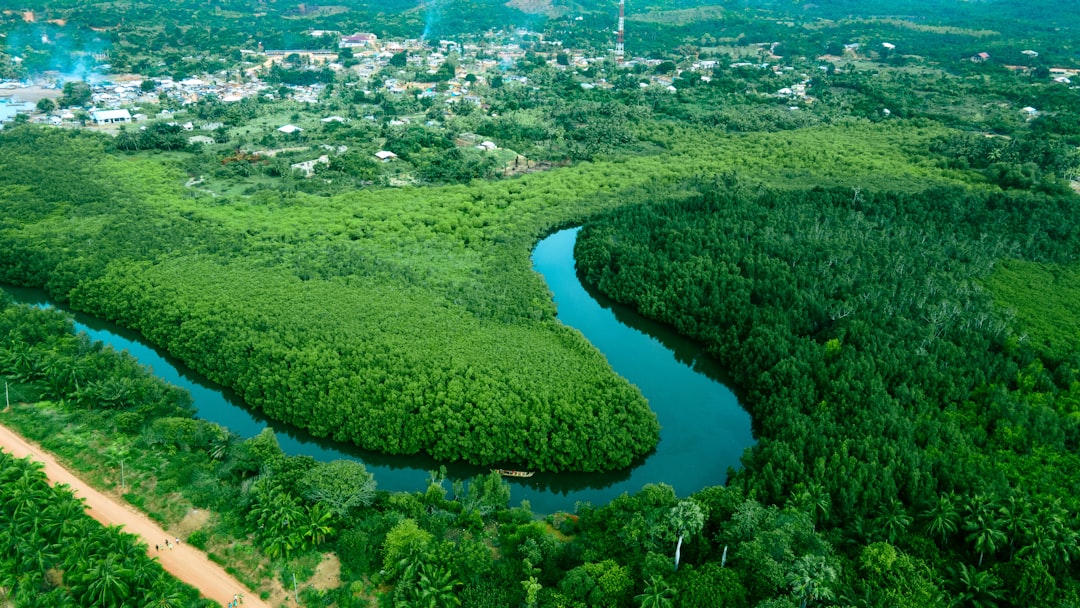
The Volta River is not merely a geographic feature for the Volo people — it is central to their identity, economy, and spiritual life. The river provides fish (the primary protein source for communities in the area), irrigation for farming, and transportation routes that have connected Volta Region communities for centuries.
During Tugbedzo-Za, the river features prominently in ceremonies. Offerings are made to the river spirits, and the community’s relationship with the water is reaffirmed through ritual. The Volta Lake (created by the Akosombo Dam upstream) and the lower Volta River estuary at Ada create a diverse aquatic ecosystem that supports tens of thousands of people in the region.
Cultural Significance for Visitors
Tugbedzo-Za offers several things that larger, more tourist-oriented festivals in Ghana cannot:
- Authenticity — This is not a performance staged for cameras. You are witnessing a community’s genuine cultural practice, unchanged by tourism economics.
- Accessibility — Unlike some sacred festivals where outsiders are restricted, Tugbedzo-Za genuinely welcomes visitors, particularly during the durbar and community feasting days.
- The Ewe experience — While Homowo and Odwira showcase Ga and Akan culture respectively, Tugbedzo-Za is one of the best entry points into Ewe culture — Ghana’s second-largest ethnic group, whose traditions are distinct from those of the Akan-dominated south.
Combining Tugbedzo-Za with a Volta Region Tour
The Volta Region is one of Ghana’s most naturally beautiful areas, and timing a visit around Tugbedzo-Za allows you to combine the festival with several outstanding experiences:
- Wli Waterfalls — Ghana’s highest waterfall, a 45-minute hike through tropical forest (2 hours from Volo)
- Tafi Atome Monkey Sanctuary — A community-managed sanctuary protecting mona monkeys considered sacred by local people
- Kente weaving in Kpetoe — Watch master weavers create traditional Ewe kente cloth on hand looms
- Mount Afadjato — Ghana’s highest peak (885m), a moderate day hike with panoramic views
- Ada Foah — Where the Volta River meets the sea, excellent for river cruises and beach relaxation (1 hour south of Volo)
Plan Your Visit with Akwaaba
Akwaaba can arrange guided cultural tours timed to Tugbedzo-Za, including transportation from Accra, community introductions, and accommodation in the Volta Region. Our local Ewe-speaking guides ensure respectful engagement and provide cultural context throughout the experience.
Browse our Ghana vacation packages or contact us directly for a custom Volta Region itinerary timed to the festival.
Frequently Asked Questions
Is Tugbedzo-Za open to visitors?
Yes. The community feasting days and grand durbar are open to visitors. Some spiritual ceremonies on the first days may be restricted — your guide will advise.
What should I wear?
Modest, respectful clothing. Traditional African print is appreciated but not required. Avoid overly revealing clothing, especially near ceremony areas.
Can I take photos?
Generally yes during public events (durbar, dances). Always ask permission before photographing individuals, and never photograph sacred ceremonies unless explicitly invited to do so.
What language is spoken?
Ewe is the primary language. English is widely understood, especially among younger community members. Having an Ewe-speaking guide significantly enhances the experience.
EVENTS IN GHANA
What's On in Ghana This Week
Festivals, concerts, cultural events, and experiences — updated every week.
Browse Events →
Come home for the celebration
Reading about Ghana’s festivals is one thing — being there is another. Akwaaba handles the flights guidance, airport pickup, stays and guides so you just show up and celebrate.
Lock in your Ghana trip for just $100 down
Flights, vetted stays, local guides and SanlamAllianz insurance — all handled. Reserve your spot with $100, pay the balance later.
FROM @AKWAABA.APP
See What Ghana Actually Looks Like
Our six latest posts on Instagram