
Adventure Activities in Ghana
Surfing, hiking, zip-lining, and wildlife
Plan your Ghana trip
Book This Experience
Get Your Adrenaline Fix: Zipline at DRC
Glide through the air with elevated views at DRC Adventure Park — pure adrenaline and outdoor fun from $10 per person.
Book Your Zipline →Don't just read about it. Go.
Akwaaba plans and books Ghana trips for diaspora travelers. Free AI itinerary in 60 seconds — or WhatsApp our team to get a custom quote today.
Adventure Activities in Ghana — From Safari to Canopy Walks
Ghana surprises adventure travellers.
Most people come expecting culture, history, and music — which is all real. What they don’t expect: a national park where you walk to within metres of wild elephants. A rainforest canopy walk suspended 30 metres above ancient trees. West Africa’s highest waterfall at the end of a jungle hike. Consistent Atlantic surf. Mountain treks above cloud level. A vast inland sea the size of a small country.
Ghana has all of it. This guide covers the best adventure activities in 2026 — with difficulty levels, costs, and how to book each one.
Book all Ghana adventure experiences through Akwaaba App
EVERYTHING HANDLED FOR YOU
Akwaaba Covers the Full Trip — Not Just the Tour
1. Mole National Park Safari (Northern Ghana)
Ghana’s largest national park — 4,840 square kilometres of savannah, river woodland, and wetland in the Northern Region. Home to Ghana’s largest elephant population (around 600–800), plus hippos, baboons, warthogs, green monkeys, kob antelopes, hartebeest, and 344 bird species.
Three main activities: guided walking safaris (approaching elephants and hippos on foot — one of the few places in Africa where this happens routinely), open-sided game drives at dawn and dusk, and birdwatching. The walking safari is the one to do first. Being on foot near elephants in the early morning light is an experience that doesn’t translate well to photographs.
Difficulty is easy to moderate — the terrain is flat. Park entry runs GHS 60–80; walking safari guides cost GHS 100–150; game drives GHS 150–200. Getting there: fly Accra–Tamale on Africa World Airlines (1 hour, around $80 one-way) then drive 1.5 hours, or drive the full 8–10 hours from Accra. Stay at Mole Motel — the only accommodation inside the park, with rooms overlooking a waterhole where elephants come at dusk. Book well in advance. Best visited November–April, when animals concentrate around water sources.
2. Kakum National Park Canopy Walk
Seven platforms connected by rope bridges suspended 30 metres above the floor of one of West Africa’s last remaining tropical rainforests. Each bridge sways underfoot. The views go in every direction — canopy below, open sky above, and the sound of birds you can’t quite place.
The walk takes 30–45 minutes; the full visit runs about two hours. Entry is GHS 100–150, which includes park entry and the canopy walk. The park opens daily 7am–5pm, but the canopy walk closes at 3pm — arrive early. It’s 30 minutes north of Cape Coast, 3.5 hours from Accra. The physical difficulty is low; the challenge is psychological (mild vertigo from height). Go by 9am — birds are most active early and the crowds build through the afternoon.
3. Hiking to Wli Waterfalls
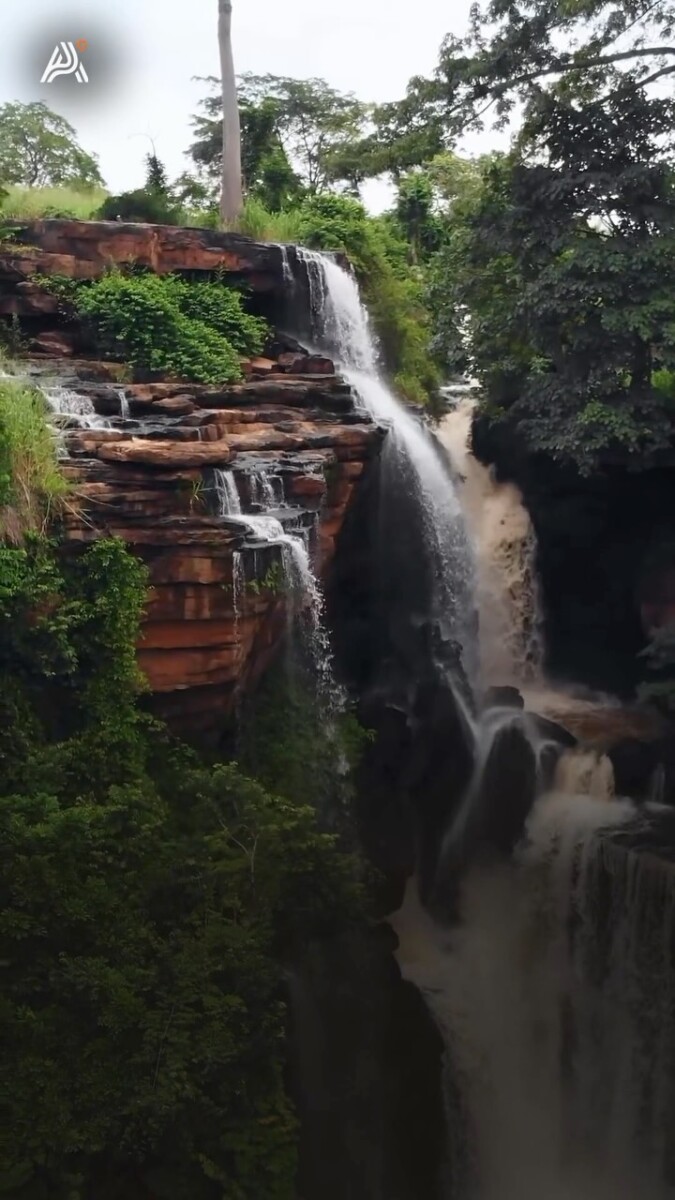
A 45-minute jungle hike along a river path to West Africa’s highest waterfall — a 60-metre cascade dropping into a pool at the base. Swimming is permitted and absolutely worth the hike. The upper falls trail is 3 hours return, more demanding, with even more dramatic views and far fewer people on it.
Lower falls: easy to moderate, 2–3 hours return. Upper falls: moderate to hard, 5–6 hours. Guide and conservation fee runs GHS 30–50. Near Hohoe in the Volta Region, about four hours from Accra. June through October has the highest water levels.
4. Mount Afadjato Hike
Ghana’s highest peak at 885 metres — a 2-hour hike through farmland and forest to the summit, with panoramic views across the Volta Region mountains and into Togo. Moderate difficulty with some steep sections near the top. A mandatory guide costs GHS 30–40. The full return hike takes 3–4 hours. Near Liati Wote village in the Volta Region; Wli Waterfalls is 30 minutes away and the two are worth combining into a single trip.
5. Surfing at Busua Beach
Ghana’s surf hub — a protected bay with consistent 1–2 metre Atlantic swells, a welcoming local scene, and instructors for every level. The Ghana Surfing Championship is held here annually. Beginner lessons start at GHS 200 for two hours with a board and instructor included. Best conditions run November through April (offshore winds, cleaner waves). It’s 3.5 hours from Accra near Takoradi. Stay at Busua Beach Inn — beachfront, with food that punches well above its price.
6. Kayaking at Ada Foah
Kayaking across the Volta Estuary where the river meets the Atlantic — a wide open expanse of sandbars, mangrove channels, and calm lagoon water. Guided tours run GHS 100–150 per person. Easy on the lagoon side. Ada Foah is 1.5 hours east of Accra. Also available: jet skiing, banana boats, and motorised boat trips upriver to see hippos.
7. Cape Coast Lagoon Kayaking
Guided kayaking through the mangrove lagoons behind Cape Coast — peaceful, green, and a very different atmosphere from the weight of the castle nearby. Easy difficulty. Costs GHS 100–150 per person. Cape Coast is 3.5 hours from Accra.
8. Volta River Boat Trips
Boat exploration of Lake Volta — the world’s largest man-made lake by surface area. From Akosombo, trips cross the lake to fishing communities, forested islands, and open water. Longer routes reach Dodi Island. No physical challenge — just the calm of a vast inland sea and the sky above it. Boat hire runs GHS 200–400 depending on duration. Akosombo is 2 hours from Accra.
9. Tafi Atome Forest Walk
A guided walk through Tafi Atome’s sacred monkey forest — the Mona monkeys approach freely and can be hand-fed. Not extreme adventure, but a wildlife encounter that feels genuinely wild rather than managed. Easy. Costs GHS 30–40. Near Hohoe in the Volta Region.
10. Quad Biking & ATV at Kokrobite
Several operators near Kokrobite Beach run quad bike and ATV tours along the beach and inland tracks — popular with visitors staying on the Accra coast. Easy. GHS 150–300 per person for one hour. Kokrobite Beach is 35km west of Accra.
Related: Easter Escape
Related: Ote Falls: Discover the Tranquil Beauty of Ote Falls in Western Ghana
11. Ziplining (Accra & Cape Coast)
Zipline operators have emerged near Kakum and at some Accra adventure parks in recent years. Check current operators through Akwaaba App as locations change. Easy. GHS 100–200.
Ghana Adventure by Region
| Region | Best Adventures |
|---|---|
| Greater Accra | Kokrobite surfing, Ada kayaking, quad biking |
| Central Region | Kakum canopy walk, Cape Coast lagoon kayaking |
| Volta Region | Wli Waterfalls hike, Mount Afadjato, Tafi Atome, Lake Volta |
| Western Region | Busua surfing, Nzulezo floating village, Ankasa forest |
| Northern Region | Mole National Park safari, Larabanga Mosque, Tamale cultural visits |
Booking Ghana Adventure Activities
Akwaaba App books all the activities listed here — including guided safaris, canopy walk tickets, surf lessons, and multi-day adventure itineraries.
Multi-day adventure packages available:
– Volta Region Adventure (2 days: Wli Falls + Afadjato + Tafi Atome) from $299
– Northern Safari (3 days: Mole National Park + Larabanga) from $399
– Coastal Adventure (2 days: Cape Coast Castle + Kakum + Busua Beach) from $349
Frequently Asked Questions
Is Mole National Park worth visiting?
Yes, and then some. Walking within metres of wild elephants on a guided foot safari is one of the most remarkable wildlife experiences in Africa. Unlike East African safaris where you stay in a vehicle, Mole puts you in the bush on foot — a completely different and arguably more intimate experience.
Is surfing available in Ghana?
Yes. Busua Beach in the Western Region is Ghana’s surf hub with consistent waves and lessons for beginners (GHS 200 for a 2-hour lesson with board included). The Ghana Surfing Championship is held here annually.
How difficult is the Kakum Canopy Walk?
Not physically demanding — the platforms are reached by walking trails. The challenge is psychological for anyone with a fear of heights. Most visitors find it very manageable once they’re on the first bridge.

More Ghana Guides
- 50 Best Things to Do in Ghana →
- Things to Do in Volta Region →
- Ghana Beaches Guide →
- All-Inclusive Ghana Packages →
Last updated: February 2026
READY TO MAKE IT REAL?
Talk to a local Ghana expert — free.
30 minutes. No pressure. We’ll build your Ghana trip around what actually matters to you.
Ready to Experience Ghana?
Browse curated tour packages or plan your custom trip.

Akosua Adoma is Akwaaba’s Marketing Manager and Ghana travel specialist. She has spent years exploring Ghana’s most iconic destinations — from the Cape Coast dungeons to the canopy walkways of Kakum — and helping diaspora travelers reconnect with the continent. She oversees Akwaaba’s content strategy, community partnerships, and brand storytelling.
Lock in your Ghana trip for just $100 down
Flights, vetted stays, local guides and SanlamAllianz insurance — all handled. Reserve your spot with $100, pay the balance later.
FROM @AKWAABA.APP
See What Ghana Actually Looks Like
Our six latest posts on Instagram

Plan your homecoming
Ready to experience Ghana for real?
Akwaaba handles the whole trip — curated packages, day experiences, and the hottest events. Just $100 reserves your spot, and you can split the balance into easy payments.
Use code AKWAABA for 5% off your first booking