
When night falls over Tamale and a thousand grass torches ignite against the darkness, you are witnessing one of West Africa’s most visually stunning celebrations. Bugum Chugu — the Fire Festival — is the Dagomba people’s spectacular opening to the new year, a night when the boundary between past and present dissolves in flickering orange light.
This is not a festival that appears in most Ghana travel guides, and that is exactly why you should see it. While tour operators crowd their clients into Accra nightclubs, the real Ghana is burning bright in the Northern Region. Akwaaba’s Heritage Trail can get you there.
What Is Bugum Chugu?
Bugum Chugu (literally “Fire Festival” in Dagbani) marks the first day of the Islamic New Year in the Dagomba traditional calendar. The festival is observed throughout the Dagbon traditional area — Tamale, Yendi, Savelugu, and dozens of smaller towns — but the most spectacular celebrations take place in Tamale, the regional capital of Northern Ghana and the largest city in the northern savannah.

EVERYTHING HANDLED FOR YOU
Akwaaba Covers the Full Trip — Not Just the Tour
The Legend Behind the Flames
The origin story of Bugum Chugu is one of the most compelling in Ghanaian folklore. According to Dagomba oral tradition, a chief’s son once went missing. The entire community searched frantically, carrying torches made from dried grass bundles to light their way through the bush at night. They searched the fields, the riverbanks, the forests — calling the boy’s name into the darkness.
Eventually, the child was found sleeping under a tree. The relief was so profound, the joy so overwhelming, that the community decided to re-enact the search every year — not just as a memorial, but as a reminder that what is lost can be found, and that a community that searches together finds together.
Over centuries, as Islam became the dominant faith among the Dagomba, the festival was woven into the Islamic calendar and now marks the beginning of Muharram. This fusion of pre-Islamic Dagomba tradition with Islamic observance is characteristic of the spiritual complexity of northern Ghana, where indigenous beliefs and Islam have coexisted for over six hundred years.
What Happens at Bugum Chugu
The Torch Procession
As darkness falls, hundreds — sometimes thousands — of people gather in the streets carrying bugum (torches made from tightly bound dried grass). At the appointed signal, the torches are lit simultaneously, and the procession begins. The effect is staggering: a river of fire flowing through the streets of Tamale, accompanied by drumming, singing, and chanting that reverberates off the walls of the ancient mud-brick compounds.
The procession moves through the town in a deliberate route that traces the original search for the lost prince. At certain points, the marchers pause to re-enact the searching — peering into dark corners, calling out, holding their torches high to illuminate hidden places. Children run alongside the procession, their faces lit by the warm glow of the flames.
The Chief’s Role
The Ya-Na (paramount chief of Dagbon) or his representative leads the ceremonial aspects. The chief’s palace becomes the focal point for the climax of the festival, where the community gathers to celebrate the “finding” of the lost child. Libations are poured, prayers are offered in both Dagbani and Arabic, and the community shares food and drink into the early hours of the morning.
Music and Dance
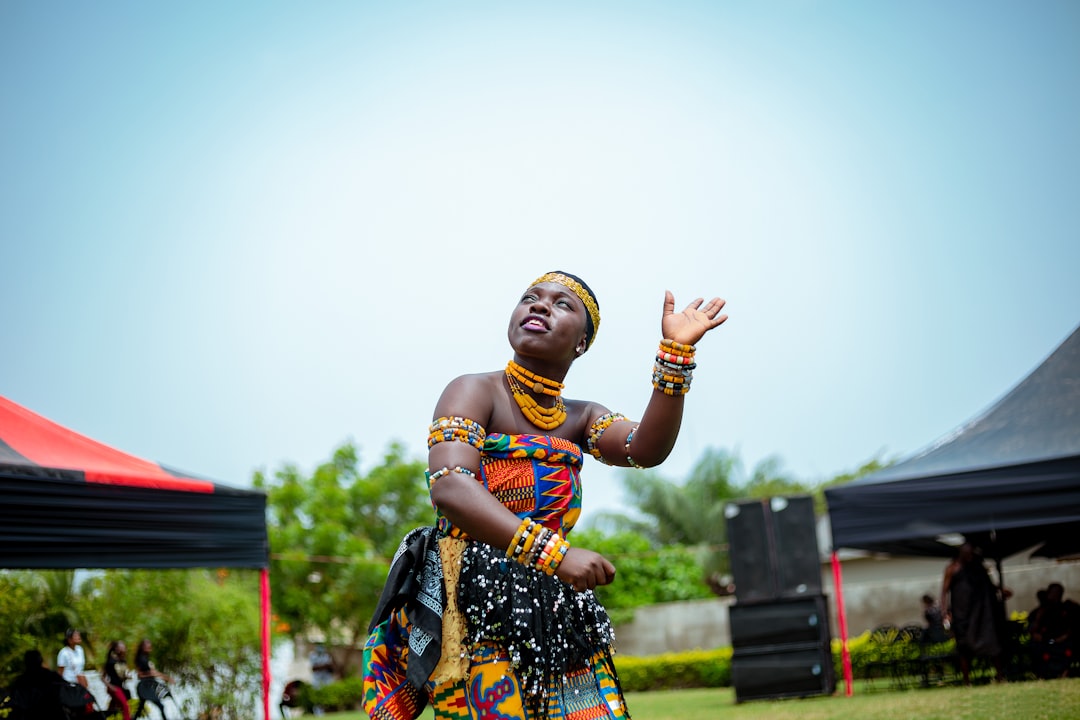
Northern Ghanaian music is distinct from the Akan traditions of the south. The lunsi (talking drums of the Dagomba) provide the rhythmic foundation, while gungon drums add a deep, resonant bass that you feel in your chest. The dancing is vigorous, communal, and inclusive — visitors who show willing feet are drawn into the circle.
Why Bugum Chugu Deserves Your Attention
Most tourists who visit Ghana never leave the coastal strip between Accra and Cape Coast. They see the castles, they eat the jollof, they go to Detty December, and they leave thinking they have seen Ghana. They have not. They have seen the south.
Northern Ghana is a different country in all but name. The landscape shifts from tropical forest to open savannah. The architecture changes from concrete blocks to earthen compounds with flat roofs. The dominant faith shifts from Christianity to Islam. The food changes from banku and tilapia to tuo zaafi (TZ) with ayoyo soup. The music, the dress, the social structures, the very rhythm of daily life — all different.
Bugum Chugu is the gateway to understanding this other Ghana. It is also, on a purely visual level, one of the most photogenic events in all of West Africa. A thousand torches in the night sky of Tamale is an image that stays with you.
When Is Bugum Chugu?
Bugum Chugu falls on the first day of Muharram in the Islamic calendar. Because the Islamic calendar is lunar, the date shifts approximately 10-11 days earlier each year in the Western calendar.
In 2026, Muharram is expected to begin around late June or early July (exact date depends on moon sighting). Check Akwaaba’s festivals calendar for the confirmed date.
How to Get to Tamale
Tamale is accessible by:
- Domestic flight from Accra (1 hour) via Africa World Airlines or PassionAir — the recommended option
- STC or VIP bus from Accra (10-12 hours overnight) — comfortable, affordable, but long
- Private car from Accra via Kumasi (8-10 hours with stops)
Accommodation in Tamale is limited during festivals. Book early. The Mariam Hotel, Gariba Lodge, and Modern City Hotel are reliable options.
Practical Tips for Attending
- Safety: The torches are real fire. Wear closed-toe shoes and keep a safe distance from the densest part of the procession. Carry water.
- Photography: Bring a camera with good low-light capability. The torchlight creates extraordinary images but demands fast lenses or high ISO.
- Dress: Conservative dress is appropriate in the Muslim north. Cover shoulders and knees. A smock (fugu) from Tamale market is both practical and respectful.
- Guide: A local guide is almost essential in northern Ghana. Akwaaba can arrange one who speaks Dagbani and can explain the rituals in real time.
- Respect: This is a religious and cultural observance, not a party. Participate with reverence. Do not block processions or touch the torches.
Combine with Northern Ghana Experiences
If you are already travelling to Tamale for Bugum Chugu, extend your trip:
- Larabanga Mosque — one of the oldest mosques in West Africa (est. 1421)
- Mole National Park — Ghana’s largest wildlife reserve, with elephants, antelope, and baboons
- Paga Crocodile Pond — touch a sacred crocodile at the Upper East Region’s most famous attraction
- Bolgatanga and Navrongo — painted mud compounds and Frafra crafts
- Wechiau Hippo Sanctuary — community-managed hippo habitat on the Black Volta River
Northern Ghana deserves at least 5 days. See all 20 Ghana festivals to build your complete itinerary.
Frequently Asked Questions
Is Bugum Chugu safe for tourists?
Yes. The festival is a community celebration and visitors are welcome. Exercise normal fire safety precautions — keep distance from torches, wear closed shoes, and stay aware of your surroundings in crowds.
Do I need to be Muslim to attend?
No. Bugum Chugu predates Islam in Dagbon and is a cultural festival observed by the entire community regardless of faith. Non-Muslim visitors are welcome.
How long does the festival last?
The main torch procession takes place over one evening, typically from sunset until late night. However, community celebrations, drumming, and feasting may continue for several days.
Can I participate in the torch procession?
Generally, only community members carry torches. Visitors can observe and photograph from the side of the procession route. Your guide will advise on the best viewing positions.
What food should I try in Tamale?
Tuo zaafi (TZ) — a millet-based dough served with ayoyo soup or groundnut soup. Also try koose (black-eyed pea fritters) for breakfast and waakye for lunch. Northern cuisine is distinct from the south and should not be missed. Explore Ghanaian food with Akwaaba.
Is Tamale worth visiting outside of festival season?
Absolutely. Tamale is the gateway to Mole National Park, Larabanga Mosque, and the painted compounds of the Upper East. It has its own vibrant market culture and is one of the fastest-growing cities in West Africa.


EVENTS IN GHANA
What's On in Ghana This Week
Festivals, concerts, cultural events, and experiences — updated every week.
Browse Events →
Come home for the celebration
Reading about Ghana’s festivals is one thing — being there is another. Akwaaba handles the flights guidance, airport pickup, stays and guides so you just show up and celebrate.
Lock in your Ghana trip for just $100 down
Flights, vetted stays, local guides and SanlamAllianz insurance — all handled. Reserve your spot with $100, pay the balance later.
FROM @AKWAABA.APP
See What Ghana Actually Looks Like
Our six latest posts on Instagram