On the first Saturday of every September, the streets of Cape Coast erupt. Not with the solemn weight of its slave castles, but with colour, music, warrior dances, and the kind of communal joy that only a harvest festival can produce. Fetu Afahye is the annual thanksgiving of the Fante people of Cape Coast — a celebration of gratitude, purification, and resilience that transforms Ghana’s most historically significant coastal city into one enormous party.
If you are visiting Ghana’s Central Region for the castles and Kakum’s canopy walk, timing your trip around Fetu Afahye adds a dimension that no museum can provide — living culture, not preserved history. Akwaaba’s Heritage Trail tour can be timed to coincide with the festival.
What Is Fetu Afahye?
Fetu Afahye (pronounced FEH-too ah-FAH-yeh) is the annual harvest festival of the Oguaa Traditional Area — the Fante community centred on Cape Coast in Ghana’s Central Region. The name translates roughly as “the festival of the Fetu people,” referring to the original settlement that became Cape Coast. It is held on the first Saturday of September every year.


EVERYTHING HANDLED FOR YOU
Akwaaba Covers the Full Trip — Not Just the Tour
The History and Meaning of Fetu Afahye
Fetu Afahye dates back several centuries and is rooted in the agricultural cycle of the Fante people. At its core, it is a thanksgiving to the gods and ancestors for a successful harvest and a prayer for continued prosperity. But it is also a purification ritual — a time when the community cleanses itself spiritually, resolves disputes, and renews its social bonds.
The week before Fetu Afahye is marked by a period of ritual cleansing. Priests visit sacred groves and shrines, offering prayers and sacrifices. On the Tuesday before the festival, there is a ban on drumming and noise-making throughout Cape Coast — a period of silence that allows the community to reflect and prepare spiritually for the celebration to come. When the drums finally break the silence on Saturday morning, the release is electric.

What Happens During Fetu Afahye
The Durbar of Chiefs
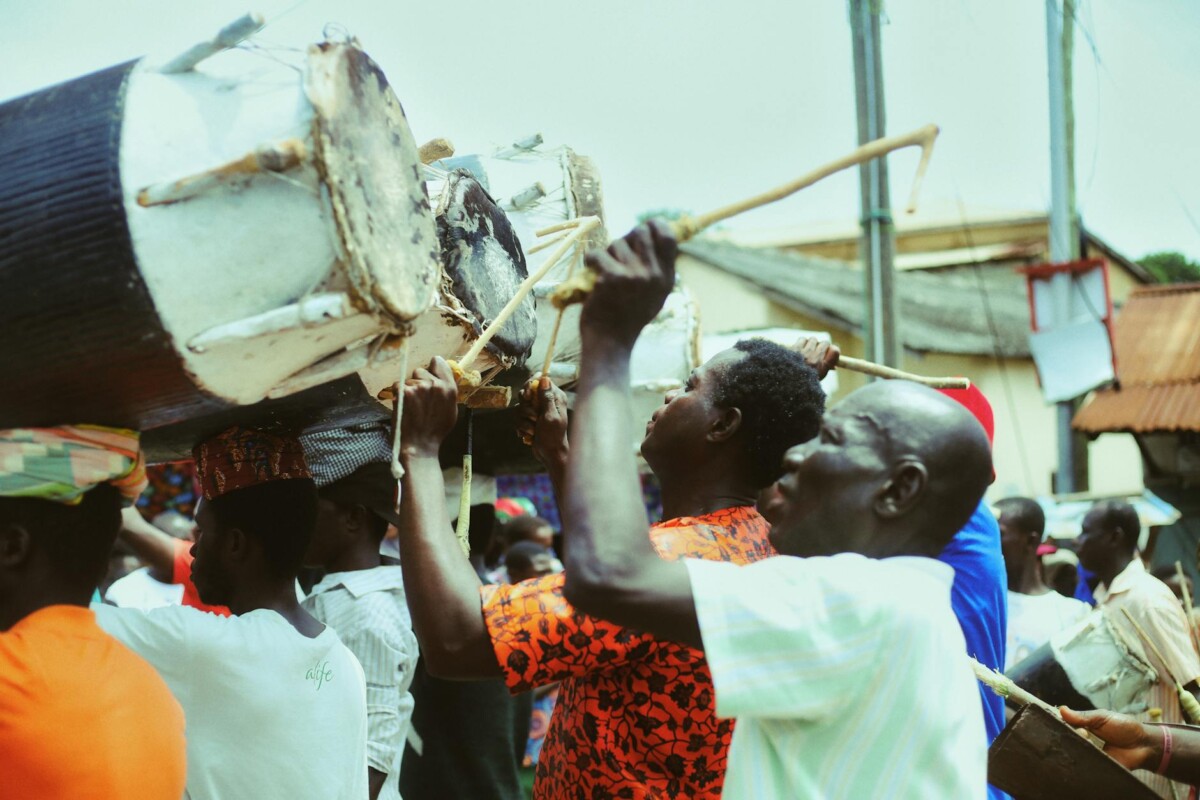
The centrepiece of Fetu Afahye is the grand durbar — a formal gathering of the Oguaa Omanhen (paramount chief) and all sub-chiefs of the traditional area. The chiefs arrive in palanquins carried by their attendants, shaded by magnificent umbrellas, surrounded by drummers, horn-blowers, and sword-bearers. Each chief’s entourage is a statement of his community’s identity, wealth, and pride.
The Omanhen takes his seat at the centre, and one by one, the sub-chiefs approach to pay their respects, pledge their loyalty, and report on the state of their communities. It is governance, ritual, and spectacle rolled into one.
The Asafo Companies
The most visually dramatic element of Fetu Afahye is the parade of the Asafo companies — the traditional military-social organizations of the Fante people. Each company has its own distinctive flags (called frankaa), drums, war songs, and choreographed dances.
The Asafo flags of the Fante are works of art in their own right — hand-sewn appliqué banners that depict proverbs, historical events, and challenges to rival companies in vivid, often humorous imagery. A flag might show one company’s animal totem defeating another’s, or a proverb illustrated with startling literalness. These flags are collected by museums around the world, including the British Museum and the Smithsonian, but they are meant to be seen in motion — carried at a run through the streets of Cape Coast by young men who dance as they go.
Street Carnival and Feasting
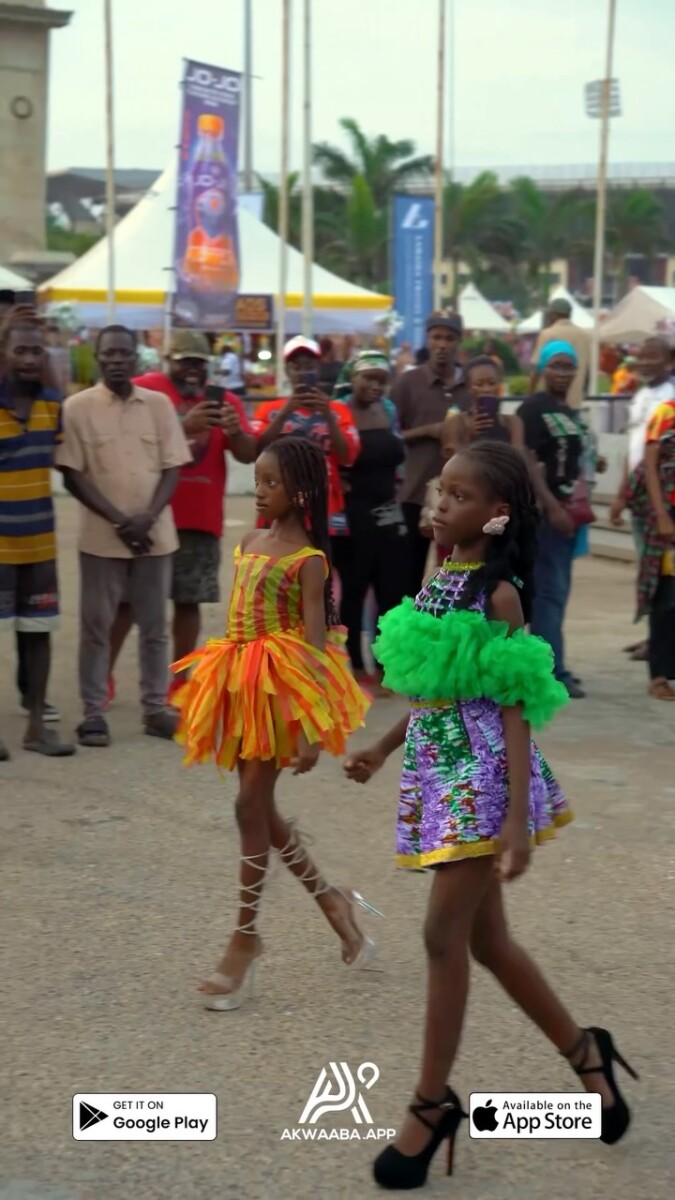
Beyond the formal durbar, Fetu Afahye fills Cape Coast with a street carnival atmosphere. Music blares from every corner. Food vendors line the streets selling fried fish, kenkey, banku, and every variety of Ghanaian street food. Sound systems compete with traditional drum ensembles. Dancing spills from the official ceremony into every neighbourhood.
The Bakatue Connection
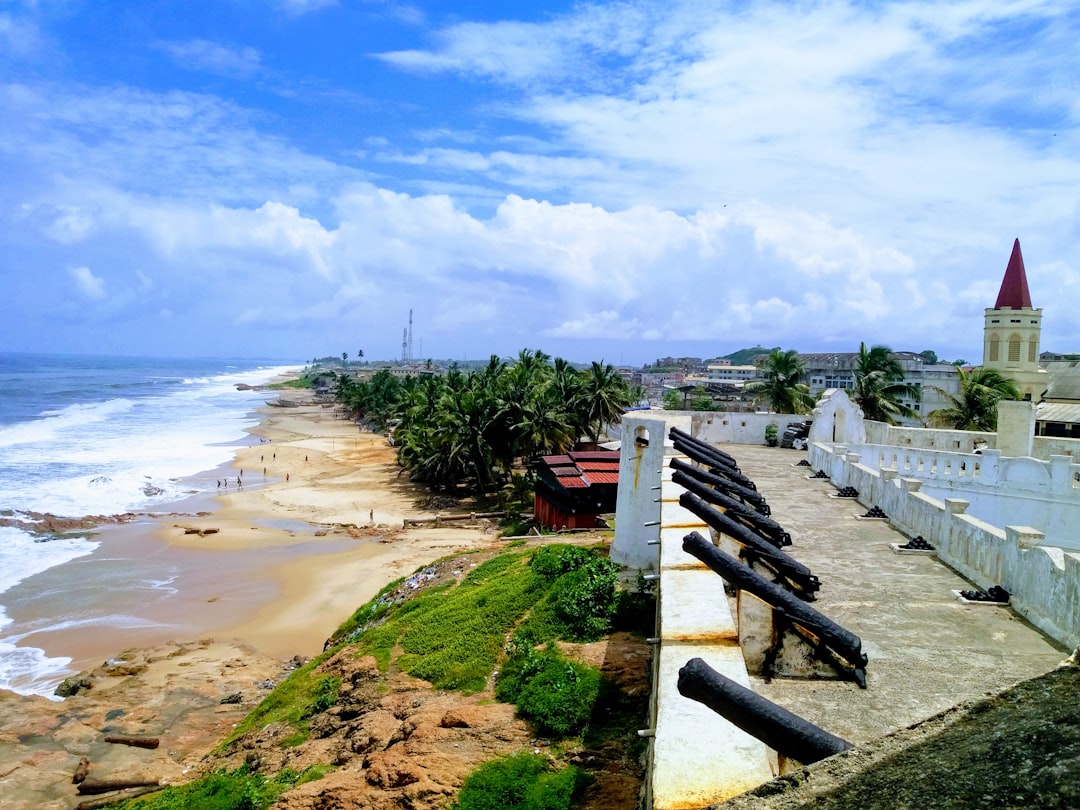
Fetu Afahye is often paired with Bakatue, the lagoon-opening festival of neighbouring Elmina, which takes place in July. Together, these two festivals showcase the full cultural spectrum of Ghana’s most historically significant coastline — the same stretch of shore where European traders built their castles, where enslaved Africans were held before the Middle Passage, and where Fante communities have lived, fished, and celebrated for centuries before any European ship appeared on the horizon.
Why Visit Cape Coast for Fetu Afahye
Cape Coast is on every Ghana itinerary for its castles. But most visitors experience the city through the lens of its traumatic history — the dungeons, the Door of No Return, the weight of the slave trade. These visits are essential and transformative. But they present only one dimension of a place that has been continuously inhabited for over five hundred years.
Fetu Afahye reveals the other Cape Coast: the living city, the resilient community, the people who did not leave through the Door of No Return but stayed, built, celebrated, and continue to celebrate. It is the counterbalance that makes a Cape Coast visit complete — sorrow and joy, history and present, remembrance and renewal.
Explore all 20 Ghana festivals to plan your full cultural itinerary.
When Is Fetu Afahye 2026?
Fetu Afahye falls on the first Saturday of September every year. In 2026, that is September 5, 2026. However, associated events and ceremonies begin earlier in the week — the Tuesday ban on drumming and Friday preparatory rituals are also worth attending if you arrive early.
Getting to Cape Coast
- From Accra: 2.5-3 hour drive on the N1 highway. STC buses run regular service. Private car hire is recommended for flexibility.
- Accommodation: Book early for festival weekend. Coconut Grove Beach Resort, Oasis Beach Resort, and Hans Cottage Botel are popular options. Budget travellers can find guesthouses in town.
- Combine with: Cape Coast Castle, Kakum National Park canopy walk, Elmina Castle, and Bakatue festival (July).
Practical Tips
- Wear comfortable shoes — you will be on your feet for hours in crowds
- Bring sun protection — September in Cape Coast is hot and the durbar grounds offer little shade
- Carry cash — street food vendors and craft sellers do not accept cards
- Arrive early for the durbar — the best viewing spots fill quickly
- Respect the chiefs — when a chief’s palanquin passes, stop and show respect. Do not walk between a chief and his entourage
Frequently Asked Questions
Is Fetu Afahye open to tourists?
Yes, absolutely. Fetu Afahye is one of the most visitor-friendly festivals in Ghana. The Cape Coast community welcomes tourists and there are usually designated areas for observers at the durbar.
How long does Fetu Afahye last?
The main durbar and parade take place on Saturday, lasting most of the day. However, associated events — including the Tuesday silence, Friday rituals, and Sunday celebrations — span the full week.
Can I combine Fetu Afahye with a castle visit?
Yes, and you should. Cape Coast Castle is open during the festival period. Visiting the castle in the morning and attending the durbar in the afternoon creates one of the most emotionally complete days you can have in Ghana — history and living culture side by side.
What should I eat at Fetu Afahye?
Fante cuisine is centred on seafood. Try fante fante (a one-pot fish stew), etew (yam and fish), and akyeke (fermented cassava served with fried fish). Street vendors during the festival sell everything from fried plantain to grilled tilapia. Book Akwaaba’s Food Tasting Tour for a guided culinary experience.
What are Asafo flags?
Asafo flags are hand-sewn appliqué banners belonging to the traditional military companies of the Fante people. Each flag tells a story through visual proverbs and historical references. They are considered important works of African art and are collected by major museums worldwide — but their true home is in the hands of young men running through the streets of Cape Coast on Fetu Afahye Saturday.
Is September a good time to visit Ghana?
September is in the minor rainy season, so expect occasional showers. However, temperatures are pleasant (25-30°C), tourist crowds are smaller, and prices are lower than the December peak. Fetu Afahye alone justifies a September visit. Check our full festivals calendar for other September events.


EVENTS IN GHANA
What's On in Ghana This Week
Festivals, concerts, cultural events, and experiences — updated every week.
Browse Events →
Come home for the celebration
Reading about Ghana’s festivals is one thing — being there is another. Akwaaba handles the flights guidance, airport pickup, stays and guides so you just show up and celebrate.
Lock in your Ghana trip for just $100 down
Flights, vetted stays, local guides and SanlamAllianz insurance — all handled. Reserve your spot with $100, pay the balance later.
FROM @AKWAABA.APP
See What Ghana Actually Looks Like
Our six latest posts on Instagram