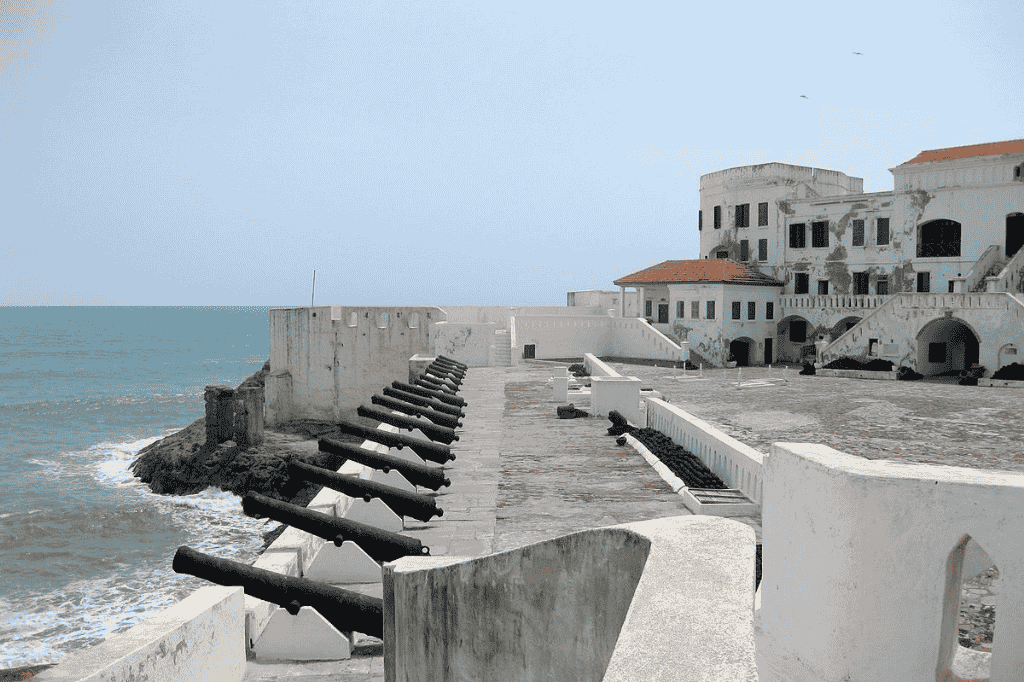




Visiting Cape Coast Castle – Complete Travel Guide
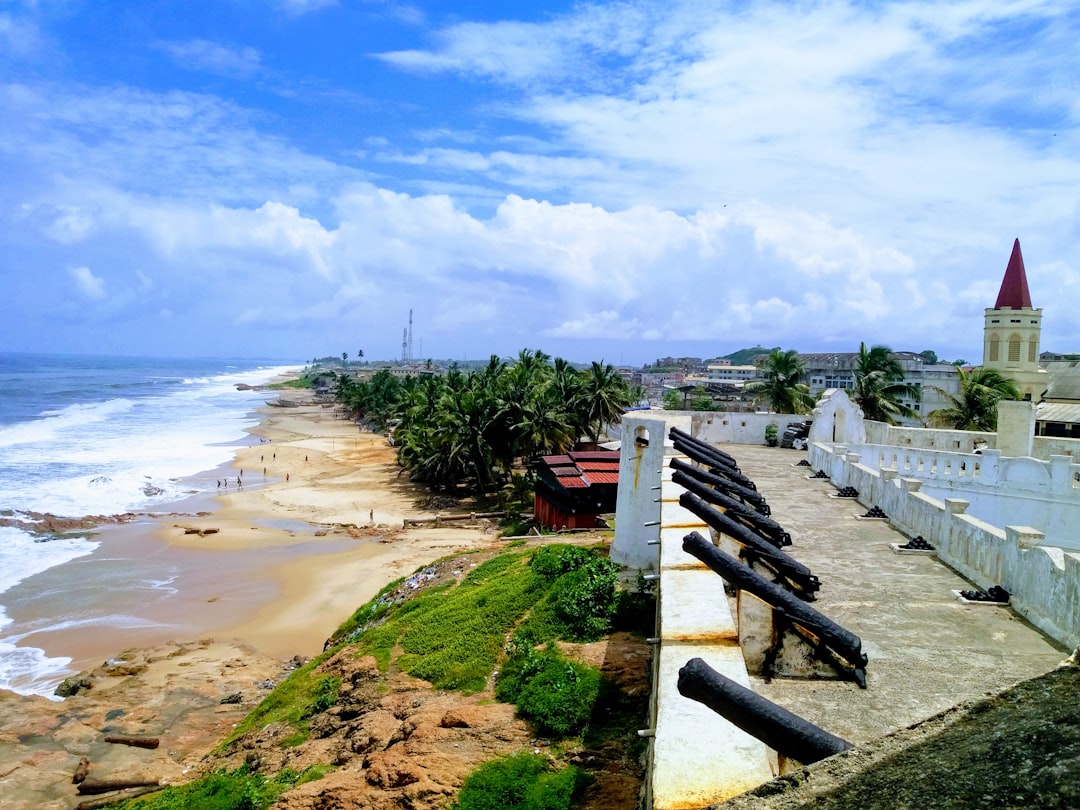
Location: About 165 kilometers from Accra, the castle is located in the heart of Cape Coast, Ghana. Because of its central location, it is easily accessible from any part of the city.
Getting there is straightforward:
- It is possible to take a taxi or ride an Uber from Cape Coast town on a regular basis
- There are buses that connect major cities with Cape Coast
- Visitors who wish to drive themselves can rent cars
- There are tour operators that offer direct transport from Accra
Best Time to Visit:
- The best weather is from November to March (dry season)
- There are fewer crowds in the early mornings (9-11 AM)
- Weekends are generally busier than weekdays
- A variety of special events are held during PANAFEST (the biennial cultural festival).
Entrance Fees:
- Local visitors: [5 usd]
- International visitors: [7 usd]
- Discounts are available to students
The West African Historical Museum – Artifacts & Culture
Its museum features a fascinating collection of artifacts that illustrate the history of the castle. Several original items, such as shackles and chains, reveal the brutal reality of the slave trade. It is through these artifacts that visitors can connect to the past and learn more about the human cost of this history.
A display of ceremonial drums and traditional objects highlights Ghana’s rich cultural heritage. It is evident from these items that there was a vibrant culture before and during colonialism.
During a visit to the castle, visitors can examine rare Portuguese and British muskets as well as historical documents and maps that illustrate the castle’s role in colonial trade. Artwork and paintings from the castle’s past provide insights into life during different periods.
Why This Museum is a Must-Visit in Cape Coast, Ghana
The museum provides crucial historical context through its comprehensive exhibits and knowledgeable guides. It helps visitors understand not just what happened, but why it matters today.
Nearby Attractions & Things to Do in Cape Coast
Another viewpoint of Ghana’s slave trade history can be found at Elmina Castle, located only 13 kilometers away. Portuguese builders built it in 1482, making it the oldest European structure in sub-Saharan Africa.
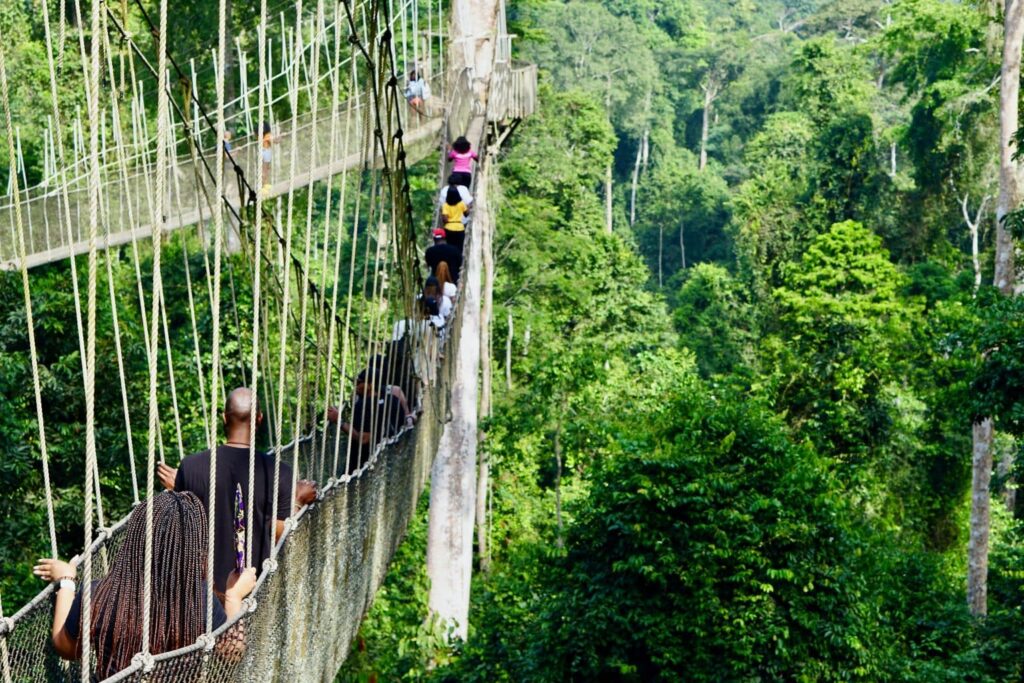
At Kakum National Park, visitors can enjoy a canopy walkway that extends 30 meters above the rainforest’s surface. Parks provide a perfect contrast to historical sites. In Cape Coast Market, you can find traditional crafts, fabrics, and fresh food. Modern Ghanaian culture can be experienced here.
Located near Cape Coast Castle, the beaches provide a peaceful place to reflect. A visit to this castle offers beautiful sunset views and quiet spaces to process the emotional impact.
Why Cape Coast is a Must-Visit Destination in Ghana
Apart from its historical importance, Cape Coast offers a blend of culture, nature, and modern Ghanaian life that makes it an essential stop on any Ghana trip.
Planning Your Visit
Excited to visit Cape Coast Castle? For a memorable visit, here are a few tips:
- Get the most out of your visit by booking a guided tour
- For photos, bring a camera (respecting restricted areas)
- Wear shoes that are comfortable to walk in
- For a complete visit, allow 2-3 hours
- To avoid crowds, visit early in the morning or late in the afternoon
- Hydrate yourself and pack plenty of water
The Cape Coast Castle is more than a historical site – it exemplifies the cruelty and resilience of humanity. Visits like yours help preserve world history for future generations. With Akwaaba, you can book tours and find out what the entrance fees are.
Akwaaba App – Your Digital Guide to Ghana’s Heritage
Download the Akwaaba App for real-time ticket booking & tour reservations, comprehensive travel guides, and other historical sites in Ghana for hassle-free travel. Get the Akwaaba App today and experience Ghana like never before!

Akosua Adoma is Akwaaba’s Marketing Manager and Ghana travel specialist. She has spent years exploring Ghana’s most iconic destinations — from the Cape Coast dungeons to the canopy walkways of Kakum — and helping diaspora travelers reconnect with the continent. She oversees Akwaaba’s content strategy, community partnerships, and brand storytelling.
Lock in your Ghana trip for just $100 down
Flights, vetted stays, local guides and SanlamAllianz insurance — all handled. Reserve your spot with $100, pay the balance later.
FROM @AKWAABA.APP
See What Ghana Actually Looks Like
Our six latest posts on Instagram