The Complete Ghana Diaspora Travel Guide (2026)
Everything the African diaspora needs to know before going back — from first-time homecomers to frequent returners.
Why Ghana? The Diaspora Case for Going Home
Ghana is not just a destination — it’s a pilgrimage. For African Americans, British Africans, Caribbean diaspora, and African migrants across the world, Ghana represents something that no European or American city can: a direct connection to the continent, to ancestry, and to a growing, ambitious African future.
Since the Year of Return 2019 — Ghana’s invitation for the African diaspora to “come home” — the country has welcomed a wave of diaspora visitors that shows no sign of slowing. The December festival season (Detty December) now draws over 50,000 diaspora travelers annually. Accra’s creative economy, food scene, and nightlife rival any major city on earth.
This guide is built specifically for diaspora travelers — people who may have Ghanaian heritage or simply feel a deep pull toward West Africa. It covers everything from the emotional practicalities of a first visit to the logistics of an annual return trip.
Plan Your Ghana Homecoming — Free
Tell our AI planner your dates, group size, and vibe. Get a full day-by-day itinerary in 60 seconds — with diaspora-specific experiences built in.
Build Free Itinerary View All PackagesEVERYTHING HANDLED FOR YOU
Akwaaba Covers the Full Trip — Not Just the Tour
Before You Go: The Practical Checklist
Visa Requirements for Diaspora Travelers
Ghana offers visa-free entry for citizens of ECOWAS countries (Nigeria, Senegal, etc.) and has active diaspora programs. For US, UK, Canadian, and Caribbean passport holders:
- US citizens: Visa required ($100 single-entry, $200 multiple-entry). Apply at Ghana Embassy DC or via VFS Global online. Processing: 5–10 business days.
- UK citizens: Visa required (£80–£130). Apply at Ghana High Commission London or online. Processing: 5–7 business days.
- Canadian citizens: Visa required. Apply at Ghana High Commission Ottawa. Processing: 7–10 business days.
- Caribbean nations (Jamaica, Trinidad, Barbados): Most require a visa. Check specifics at ghanaembassy.org.
- Diaspora program: Ghana’s “Right of Abode” allows eligible members of the African diaspora to live and work in Ghana indefinitely. Apply via the Diaspora Affairs Bureau.
| Country | Visa Required? | Cost | Processing Time |
|---|---|---|---|
| USA | Yes | $100 single / $200 multi | 5–10 business days |
| UK | Yes | £80–£130 | 5–7 business days |
| Canada | Yes | CAD $150–$200 | 7–10 business days |
| Nigeria (ECOWAS) | No | Free | On arrival |
| Jamaica | Yes | ~$75 | 5–7 business days |
| South Africa | No (30 days) | Free | On arrival |
Passport Validity
Your passport must be valid for at least 6 months beyond your travel date. Ghana immigration strictly enforces this.
Travel Insurance
Non-negotiable. Medical facilities outside Accra are limited. Medical evacuation from Ghana costs $15,000–$40,000 without insurance. All Akwaaba Ghana packages include SanlamAllianz travel insurance — one of very few operators that includes this as standard.


Ancestry & Heritage: Finding Your Roots in Ghana
For African Americans in particular, Ghana holds a unique place. An estimated 30% of enslaved Africans brought to the Americas came from present-day Ghana — through the forts and castles at Cape Coast and Elmina. Visiting these sites is, for many diaspora travelers, one of the most profound experiences of their lives.
The Essential Heritage Trail
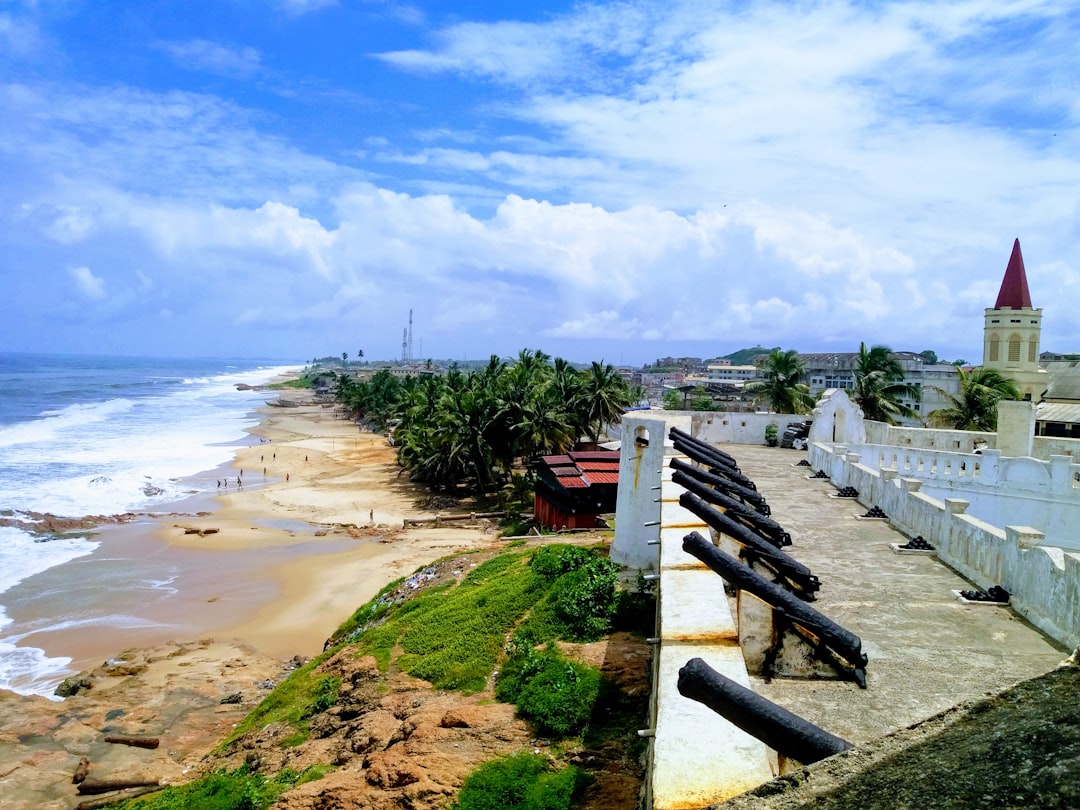
- Cape Coast Castle — The Door of No Return. The most emotionally powerful site in Ghana. Allow 3–4 hours minimum.
- Elmina Castle — Oldest European structure in sub-Saharan Africa (1482). Just 15km from Cape Coast.
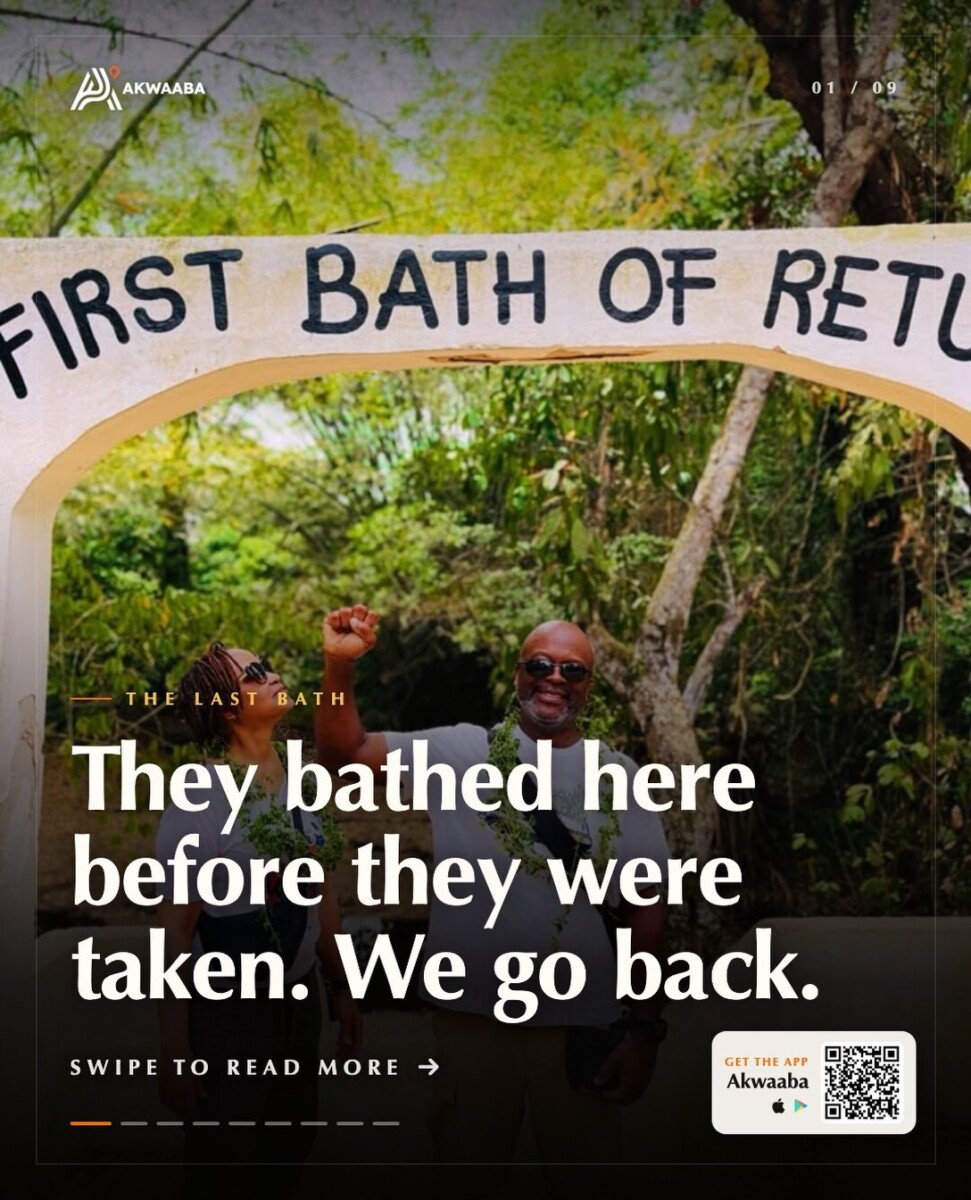
- Assin Manso — The slave river, where enslaved people were washed before embarkation. A place of deep reflection.
- Kwame Nkrumah Memorial Park — Accra. The first president of independent Ghana. Understanding Nkrumah is understanding the Pan-African dream.
- National Museum of Ghana — Accra. Essential context before visiting the castles.
Our Heritage Trail package is designed specifically for this journey — with local guides who understand the emotional weight of these visits and can share personal connections to this history.
DNA Ancestry Tourism
If your AncestryDNA or 23andMe results show Ghanaian heritage — congratulations: you now have a map. Ghana’s major ethnic groups align geographically:
- Akan (Ashanti, Fante) — Central/Southern Ghana, Kumasi + Cape Coast region
- Ga-Adangbe — Greater Accra
- Ewe — Volta Region, Ho
- Dagomba — Northern Ghana, Tamale
Ask your guide to help arrange a village homestay or elder meeting in the region of your ancestry. This is an experience no aggregator can book for you — it requires local connection.
Money & Safety: What Diaspora Travelers Need to Know
Currency & Money
Ghana uses the Ghana Cedi (GHS). As of 2026: 1 USD ≈ 14–15 GHS. Exchange at Forex bureaus (better rates than banks or airport counters). Most hotels and restaurants in Accra accept Visa/Mastercard. Carry some cash for markets, chop bars, and local vendors.
Use Wise or a Charles Schwab debit card — both offer zero foreign transaction fees. Avoid your regular bank card’s 3% foreign transaction fee.
Safety for Diaspora Travelers
Ghana is one of the safest countries in West Africa — politically stable, English-speaking, with a strong tourism infrastructure. The US State Department rates Ghana as Level 1: Exercise Normal Precautions (the same rating as most European countries).
- Accra: Generally safe. Use Uber or Bolt (not random taxis). Stay aware in busy markets.
- Cape Coast / Elmina: Safe tourist area. Guided tours recommended.
- Volta Region: Very safe, beautiful, quiet.
- Northern Ghana: Safe for tourists. Some areas near the Northern border have travel advisories — check before going.
For diaspora travelers returning with family: Ghana is very family-friendly. Ghanaians are welcoming to diaspora visitors — “Akwaaba” literally means “you are welcome.”
Health
- Malaria prophylaxis: Required. Start Malarone or doxycycline 1–2 days before travel.
- Yellow fever vaccine: Required for entry. Carry your yellow card.
- COVID: No restrictions as of 2026. Check current requirements before travel.
- Water: Drink bottled or filtered water only. Avoid ice in drinks outside hotels.
The Detty December Experience for Diaspora
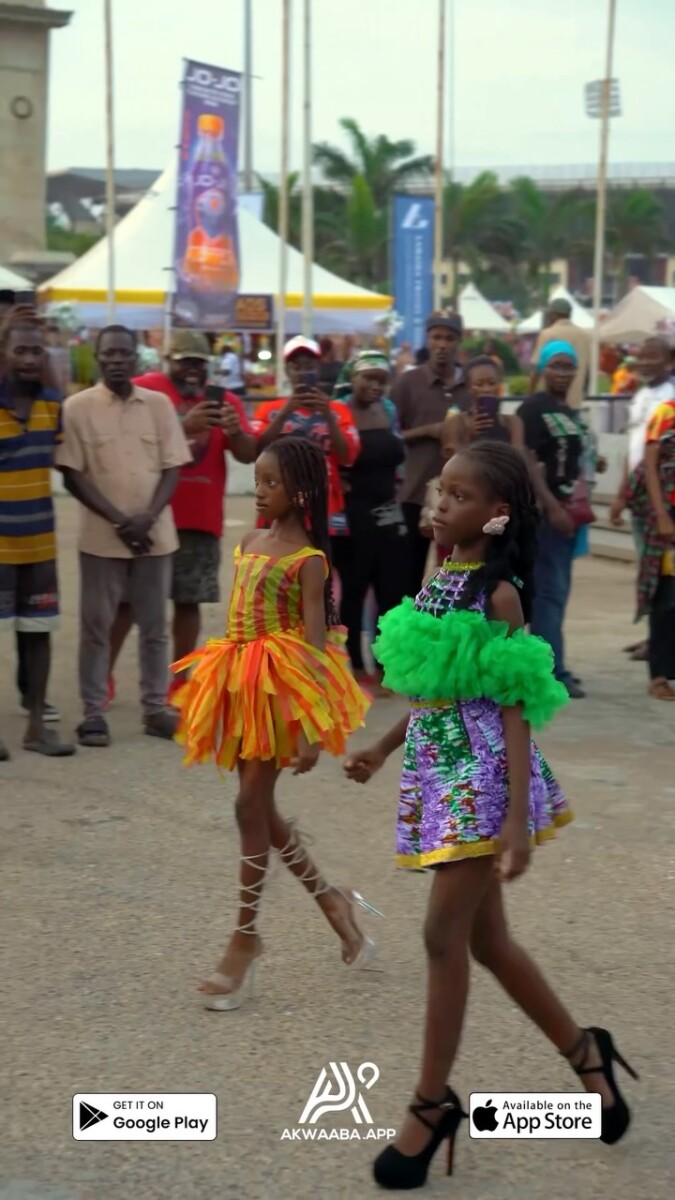
Detty December is the name for the annual December festival season in Ghana — 3–4 weeks of non-stop music, parties, cultural events, and homecoming energy that transforms Accra into the cultural capital of Africa. It runs from approximately December 1 to January 2.
For the diaspora, Detty December has become a pilgrimage: a chance to be surrounded by Africans from across the continent and the diaspora, celebrating together. If you’ve never been, you should know: no description does it justice.
Key Events (2026)
- Afro Nation Ghana — Music festival, late December. International Afrobeats lineup.
- AfroFuture — Premier NYE party. Largest expat/diaspora event of the season.
- Ghana New Year Eve concerts — Multiple venues across Accra, tickets $50–$300+.
- AfroFuture / Afrofest — Cultural festival events throughout December.
Our Detty December 7-day package ($3,950) includes hotel, major events, tours, airport transfers, and travel insurance. Solo-friendly — you don’t need to come with a group.
Frequently Asked Questions: Ghana Diaspora Travel
Is Ghana worth visiting for African Americans with no direct Ghanaian ancestry?
Do I need a visa for Ghana as a US or UK citizen?
What is Ghana’s “Right of Abode” for the diaspora?
How do I find my ancestral village in Ghana?
Is Ghana safe for solo diaspora travelers?
What is the best time of year for diaspora travelers to visit Ghana?
How much does a Ghana homecoming trip cost?
What cultural practices should diaspora travelers know before visiting Ghana?
Can I get dual citizenship or residency in Ghana as a diaspora member?
What should I pack for a Ghana trip?
Ghana is Calling. Akwaaba Answers.
We’re a local team in Accra — not a US agency selling Ghana from a distance. We’ll build your homecoming itinerary, handle flights, hotels, heritage tours, and airport pickup. You just show up.
Build Free Itinerary Chat on WhatsApp

EVENTS IN GHANA
What's On in Ghana This Week
Festivals, concerts, cultural events, and experiences — updated every week.
Browse Events →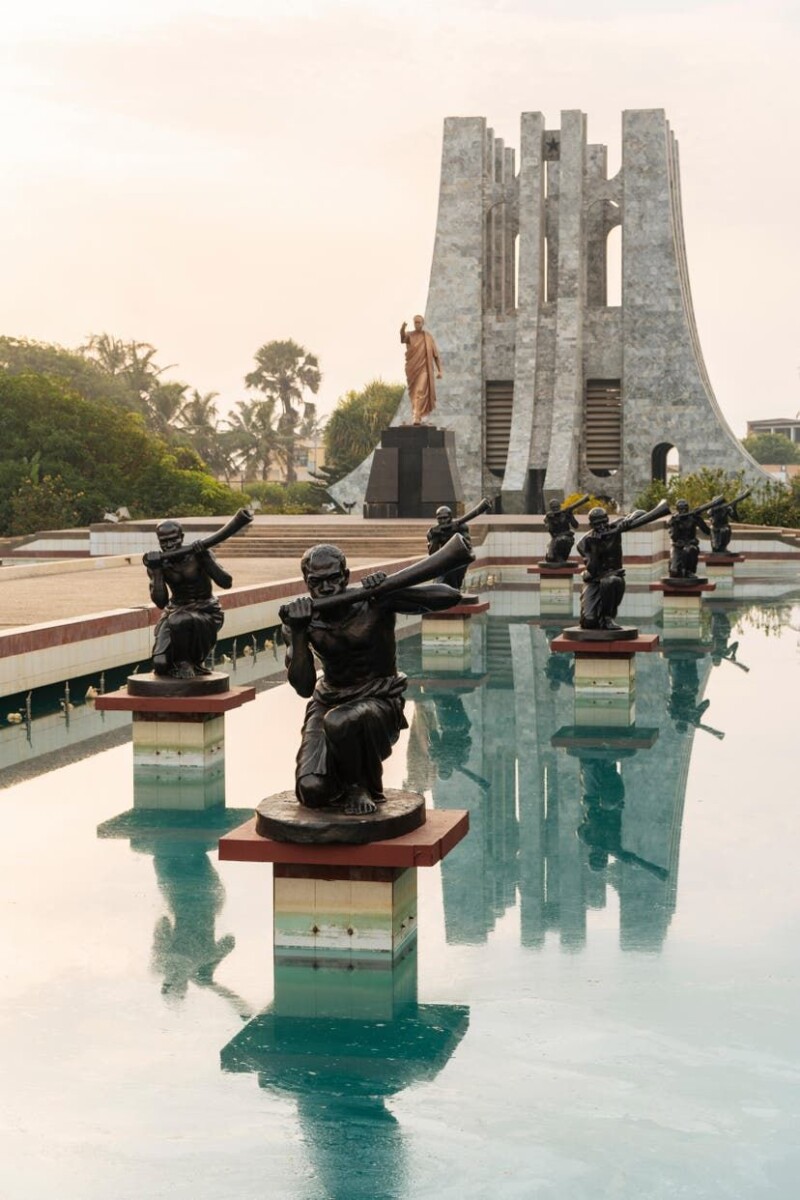
Lock in your Ghana trip for just $100 down
Flights, vetted stays, local guides and SanlamAllianz insurance — all handled. Reserve your spot with $100, pay the balance later.
FROM @AKWAABA.APP
See What Ghana Actually Looks Like
Our six latest posts on Instagram