
Is Ghana Safe to Visit in 2026?
Honest safety guide for travelers
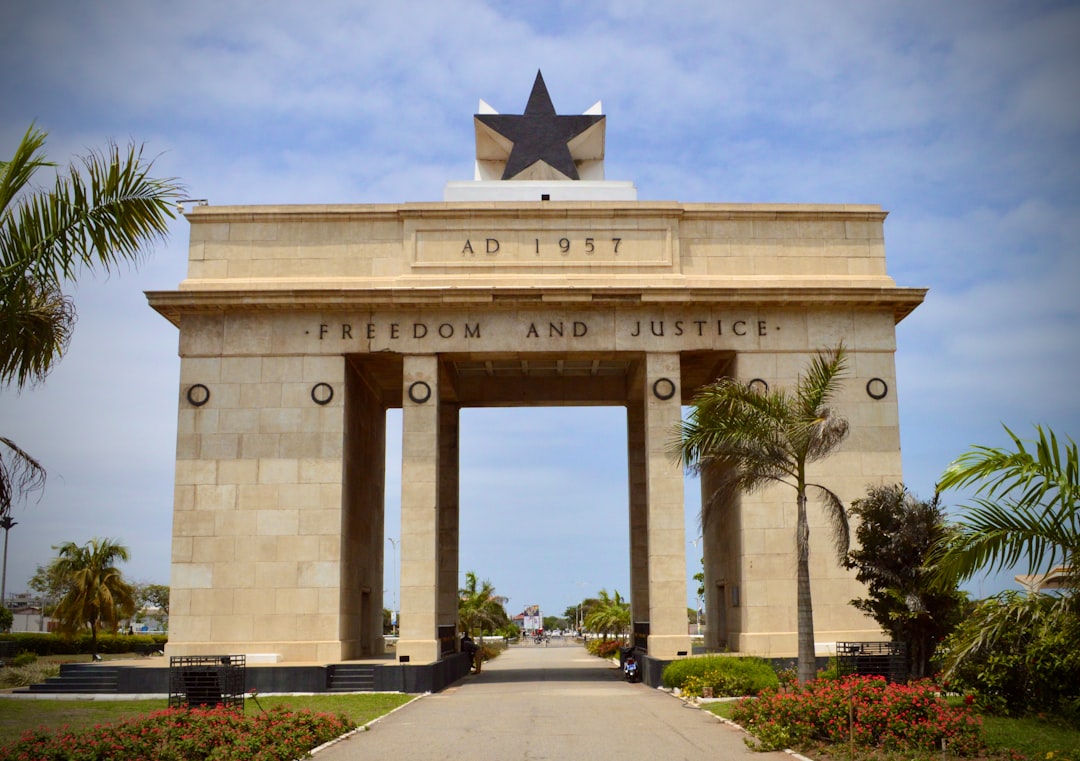
Is Ghana Safe Right Now? The 2026 Verdict
The short answer: yes, Ghana is safe.
Ghana is consistently ranked among the safest countries in West Africa and one of the most politically stable democracies on the continent. No ongoing armed conflict. Borders largely secure. A well-established tourism industry that has welcomed millions of diaspora and international visitors since the 2019 Year of Return campaign.
That said, “safe” doesn’t mean risk-free. Like any major city in the world, Accra has petty crime. Roads can be dangerous. Health risks exist. And northern border areas near Burkina Faso require some awareness.
This guide gives you an honest assessment of safety in Ghana in 2026 — by location and category, with practical advice for staying safe throughout your trip.
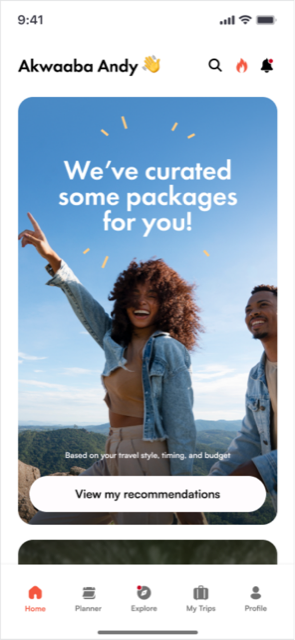
1 App.
Plan. Book. Explore Ghana.
- Plan your trip with AI
- Book experiences & stays
- Grab event tickets
- Earn & redeem rewards
- $50 airport chauffeur
- 24/7 trip support

Pick Your Ghana Vibe
Official Travel Advisories (2026)
UK Foreign Commonwealth & Development Office (FCDO)
Exercise normal precautions for most of Ghana. The FCDO advises against all but essential travel within 20km of the northern border with Burkina Faso.
US State Department
Level 1 — Exercise Normal Precautions for most of Ghana. Level 2 — Exercise Increased Caution for the Upper West and Upper East regions near the Burkina Faso border.
What This Means For You
If your itinerary covers Accra, Cape Coast, Kumasi, the Volta Region, or the Western Region — the destinations on almost every Ghana visitor’s itinerary — the official guidance is the same as visiting any major city worldwide: exercise normal precautions.
Safety in Accra
Accra is a major African city of 5 million people. It is safe, but it has the same range of considerations as any large urban environment.
What’s Safe
- Tourist neighbourhoods — Osu, East Legon, Cantonments, Labadi, and Airport Residential are safe for visitors day and night
- Hotels — international-standard hotels are secure
- Restaurants, bars, clubs — generally very safe environments
- Bolt and Uber — safe, reliable, always preferred over flagging street taxis
What to Be Aware Of
- Petty theft — pickpocketing in crowded markets like Makola. Keep phones and wallets close.
- Bag snatching — uncommon but can happen at beaches. Don’t leave valuables unattended on the sand.
- Scams — “friendly stranger” approaches at tourist sites and markets exist. Be politely cautious of unsolicited offers of help.
- Traffic — Accra’s roads are chaotic. Cross carefully; don’t assume vehicles will stop.
Best Practices
- Use Bolt or Uber rather than negotiating with unmarked taxis
- Keep valuables in a discreet bag, not your back pocket
- Don’t walk alone in unfamiliar areas after midnight
- Keep a photocopy of your passport separate from the original
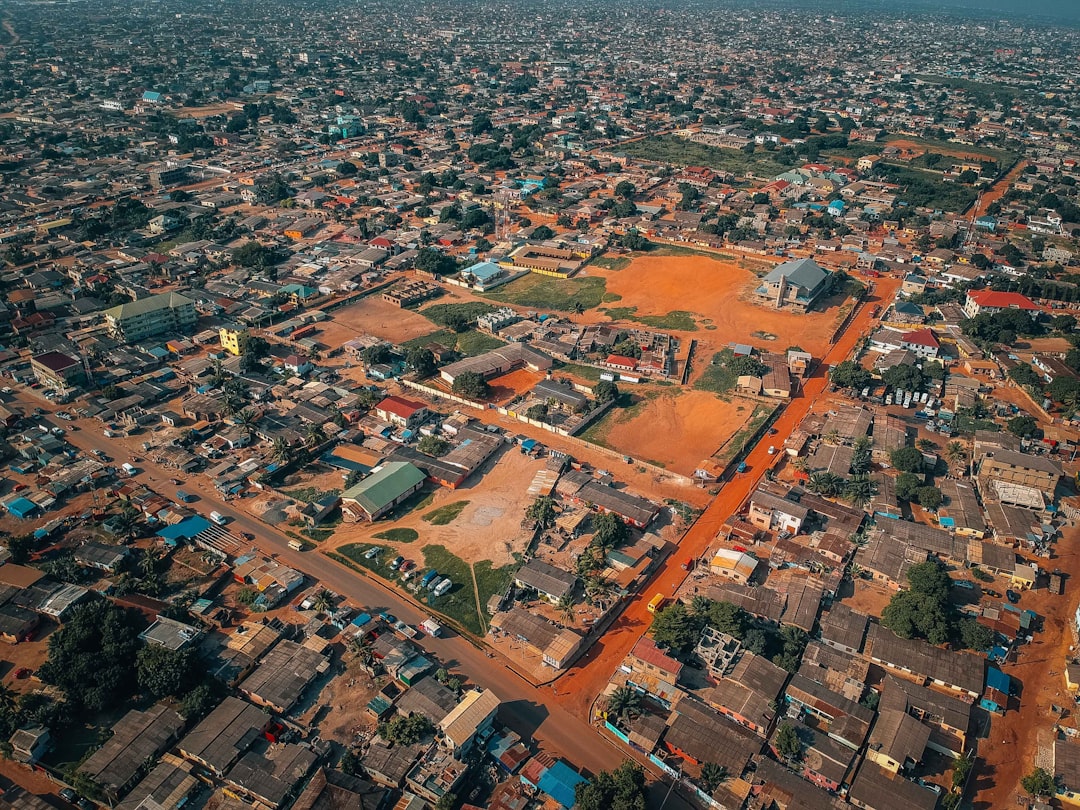
Safety at Ghana’s Top Tourist Sites
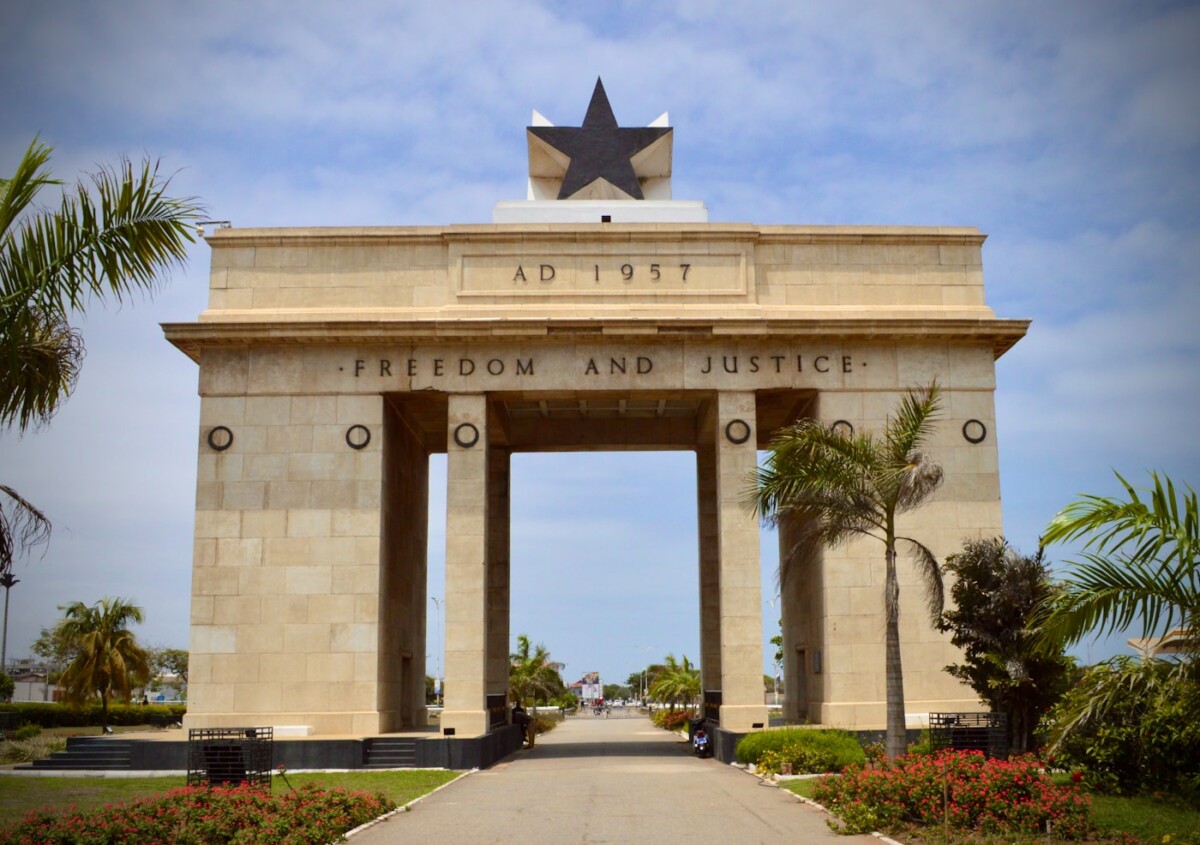
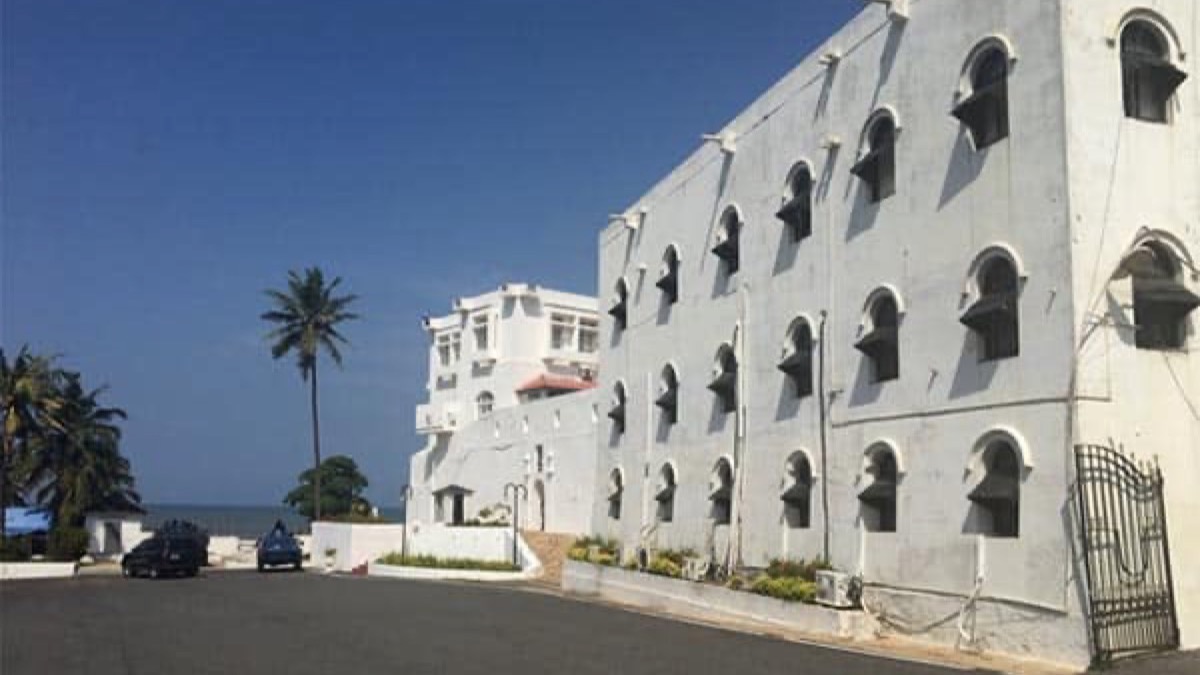
Cape Coast Castle and Elmina Castle — professionally managed UNESCO World Heritage Sites with trained staff and guides. The surrounding coastal towns are safe in daylight hours. Akwaaba runs both castles with Kakum canopy walk as one guided day: Cape Coast Castle + Elmina + Kakum Heritage Day Tour →
Kakum National Park — well-managed, ranger presence throughout. Follow the guide’s instructions and don’t leave marked paths.
Kumasi — Ghana’s second city, generally safe. Kejetia Market is dense and crowded — the main risk is pickpocketing in tight spaces. Don’t carry more cash than you need for that day. Akwaaba runs a guided version of this route: Kumasi City & Ashanti Heritage Tour →
Volta Region — Wli Falls, Hohoe, Ho, and Lake Volta are safe and very low-crime. The main considerations are road quality and using a guide on hiking trails. Akwaaba runs both as guided day trips from Accra: Volta Adventure (Wli Falls, Afadjato & Monkey Sanctuary) and Akosombo & Lake Volta Cruise Day Tour →
Mole National Park — safe; walking safaris are guided and professionally managed. Well within the safety zone at 120km from the Burkina Faso border.
Northern Ghana — The Border Advisory
Both the FCDO and US State Department advise caution within 20km of Ghana’s northern border with Burkina Faso, due to spillover instability from the Sahel region.
For most visitors this advisory is irrelevant. Mole National Park — the main northern attraction — is 120km from the border. Tamale, the north’s main city, is also well clear. Only travellers specifically heading to remote areas of the Upper West or Upper East regions near the Burkina Faso border need to factor this in.
Health Safety in Ghana
Malaria — The Most Important Risk
Ghana has malaria. This is the most significant health risk for visitors — transmitted by mosquito bites after dark.
See your GP or travel clinic at least 4–6 weeks before travel. Take prescribed antimalarial medication (atovaquone/proguanil, doxycycline, or mefloquine — your doctor recommends the right option based on your health history). Apply DEET-based insect repellent (30%+ concentration) to exposed skin from dusk, and sleep under a mosquito net or in air-conditioned rooms.
Yellow Fever — Mandatory
A yellow fever vaccination certificate is required for entry into Ghana. Without it, you will not be allowed to board your flight. Get vaccinated at a registered travel clinic at least 10 days before travel.
Water
Drink bottled or sealed sachet water only. Do not drink tap water. Sachets of purified water (“pure water”) are sold everywhere for GHS 0.50. Use bottled water for brushing teeth in most accommodation.
Food Safety
Street food in Ghana is generally safe — Ghanaians eat from street vendors every day. Choose busy stalls with freshly cooked food and high turnover. Avoid raw salads from vendors you don’t know.
Related: Hidden Gems in Ghana You Shouldn't Miss
Related: Languages Spoken in Ghana: A Beautiful Harmony of Tongues
Medical Facilities
- Private hospitals in Accra — Trust Hospital (East Legon) and Nyaho Medical Centre are recommended for visitors. Good standard of care for a range of conditions.
- Outside Accra — facilities are more basic. For anything serious, transport to Accra is advisable.
- Travel insurance with medical evacuation cover is essential. Make sure your policy covers Ghana and includes at least $100,000 of emergency evacuation cover.
Recommended Vaccinations
- Yellow fever (mandatory)
- Hepatitis A (recommended)
- Typhoid (recommended)
- Hepatitis B (for longer stays)
- Routine vaccinations (MMR, tetanus) — check these are up to date
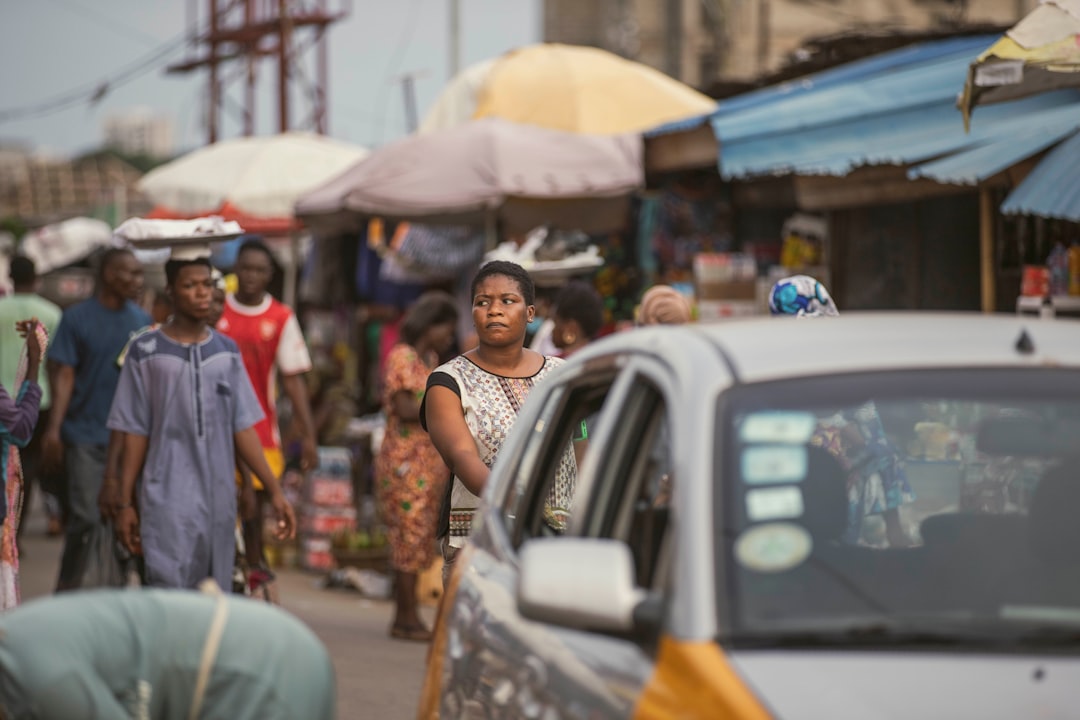
Road Safety
Road traffic accidents are Ghana’s most significant risk for visitors — statistically, more tourists are affected by road incidents than by crime.
Road conditions outside major highways are poor, particularly at night. Intercity shared taxis and tro-tros tend to speed. Rural roads have very little lighting after dark.
Use Bolt/Uber within Accra. For intercity travel, VIP or STC air-conditioned coach services are far safer than shared taxis. Avoid overnight intercity road journeys where possible. For day trips and tours, book a private hire car through Akwaaba App — vetted drivers, reliable vehicles.
LGBTQ+ Visitors
Same-sex relationships are illegal under Ghanaian law, and Ghana’s parliament passed an anti-LGBTQ+ bill in 2024 (legal status ongoing as of early 2026). LGBTQ+ visitors should exercise significant discretion. Public displays of same-sex affection carry legal risk and the potential for social hostility. Both the FCDO and US State Department flag this explicitly in their Ghana advisories.
Ghana is otherwise a warm and welcoming country. But legal protections for LGBTQ+ people do not exist.
Safety for Solo Travellers
Ghana is manageable for solo travellers with standard urban precautions. Bolt/Uber make independent navigation around Accra straightforward and safe. Solo female travellers generally report positive experiences in tourist areas, though the standard advice stands: avoid walking alone in unfamiliar areas after midnight.
Joining an organised tour through Akwaaba App removes most of the uncertainty for solo visitors and gives you a local point of contact at all times.
Safety for Families
Ghana is a family-friendly destination. Children are warmly received everywhere. Key considerations:
- Health — malaria prophylaxis for children (your GP will advise correct dosing by age and weight)
- Water — bottled water only, including for babies and young children
- Beach safety — Ghana’s Atlantic coast has strong riptides. Supervise children closely at open beaches. The lagoon side of Ada Foah is much calmer and significantly better for families with young children.
Practical Safety Checklist
Before you go:
– [ ] Register with your country’s embassy or consulate in Ghana
– [ ] Get comprehensive travel insurance (including medical evacuation)
– [ ] Yellow fever vaccination
– [ ] GP consultation for malaria prophylaxis
– [ ] Photocopy your passport; store copy separately from original
– [ ] Note the Akwaaba App 24/7 support number
In Ghana:
– [ ] Use Bolt/Uber, not unmarked taxis
– [ ] Keep phone and valuables discreet in crowded areas
– [ ] Drink only bottled or sachet water
– [ ] Apply insect repellent from dusk
– [ ] Take your antimalarial medication consistently
Frequently Asked Questions
Is Ghana safe for tourists in 2026?
Yes. Ghana is one of the safest countries in West Africa, with a Level 1 US State Department rating (Exercise Normal Precautions) for most of the country. Violent crime against tourists is rare. The main risks are petty theft in crowded areas, road accidents, and malaria — all manageable with basic precautions.
What are the biggest dangers in Ghana?
Road traffic accidents (the most statistically significant risk), malaria (preventable with medication), petty theft in markets, and — for visitors going close to the Burkina Faso border — regional instability. For the vast majority of visitors to Accra, Cape Coast, and Kumasi, none of these risks are meaningfully different from travelling in any major city.
Is Accra safe at night?
The main tourist areas — Osu, East Legon, Cantonments, Labadi — are safe at night and regularly have people out until 4–5am during the nightlife season. Use Bolt/Uber when travelling after midnight.
Do I need malaria tablets for Ghana?
Yes. Ghana has malaria and antimalarial medication is strongly recommended for all visitors regardless of trip length. Consult your GP or travel clinic at least 4–6 weeks before departure.
Is Ghana safe for solo female travellers?
Generally yes. Solo female travellers in Ghana regularly report positive experiences. Standard urban precautions apply — use Bolt/Uber rather than street taxis, avoid walking alone in unfamiliar areas at night, and stick to the main tourist neighbourhoods.
More Ghana Planning Guides
- Ghana Visa Guide 2026 →
- Ghana for First-Time Visitors →
- Best Time to Visit Ghana →
- Getting Around Ghana →
- All-Inclusive Ghana Packages →
Last updated: February 2026. Travel advisories are subject to change — always check the most current guidance from your country’s foreign ministry before travel.
Ready to Experience Ghana?
Browse curated tour packages or plan your custom trip.
Explore More
More Ways to Experience Ghana
Travelling smart means going with people who run it right. See both the castle and the canopy walk in one well-run day — book the Cape Coast + Kakum day tour from Accra.
Akosua Adoma is Akwaaba’s Marketing Manager and Ghana travel specialist. She has spent years exploring Ghana’s most iconic destinations — from the Cape Coast dungeons to the canopy walkways of Kakum — and helping diaspora travelers reconnect with the continent. She oversees Akwaaba’s content strategy, community partnerships, and brand storytelling.
Lock in your Ghana trip for just $100 down
Flights, vetted stays, local guides and SanlamAllianz insurance — all handled. Reserve your spot with $100, pay the balance later.
FROM @AKWAABA.APP
See What Ghana Actually Looks Like
Our six latest posts on Instagram
Plan your homecoming
Ready to experience Ghana for real?
Akwaaba handles the whole trip — curated packages, day experiences, and the hottest events. Just $100 reserves your spot, and you can split the balance into easy payments.
Use code AKWAABA for 5% off your first booking