📍 Ghana’s Official Language: English
Let’s start with the obvious: English is Ghana’s official language. You’ll find it in schools, government institutions, courts, and most written communication. It’s the bridge that connects Ghana’s diverse ethnic groups, especially in cities like Accra, Kumasi, and Takoradi.
But make no mistake—Ghanaian English has its own flavor. Expect local inflections, bold expressions, and that unmistakable warmth that turns a simple “You’re welcome” into a cultural experience.
1 App.
Plan. Book. Explore Ghana.
- Plan your trip with AI
- Book experiences & stays
- Grab event tickets
- Earn & redeem rewards
- $50 airport chauffeur
- 24/7 trip support

🗣️ Widely Spoken Local Languages in Ghana
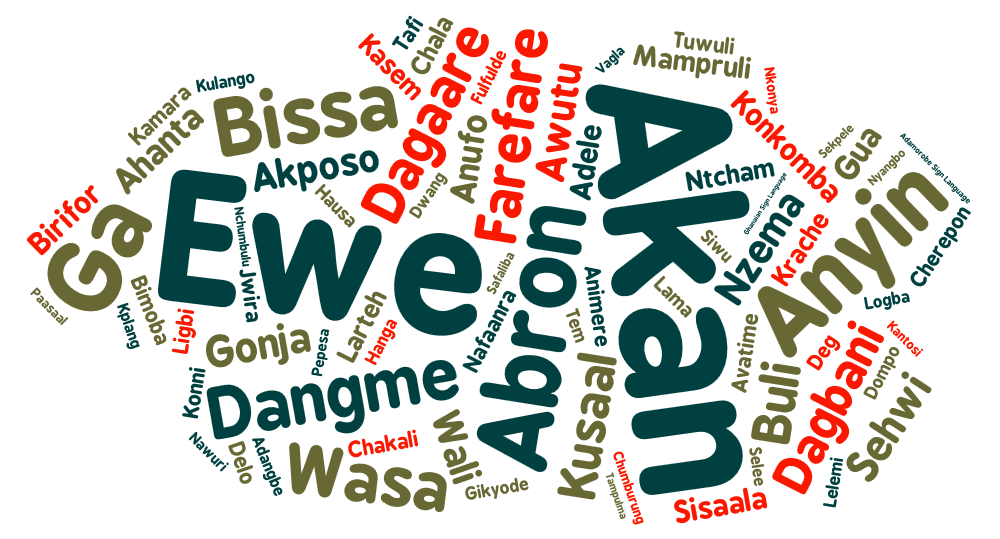
Beyond English, Ghana’s true magic lives in its local languages. Here are the most spoken languages and where you’re most likely to hear them:

Akosua Adoma is Akwaaba’s Marketing Manager and Ghana travel specialist. She has spent years exploring Ghana’s most iconic destinations — from the Cape Coast dungeons to the canopy walkways of Kakum — and helping diaspora travelers reconnect with the continent. She oversees Akwaaba’s content strategy, community partnerships, and brand storytelling.
Lock in your Ghana trip for just $100 down
Flights, vetted stays, local guides and SanlamAllianz insurance — all handled. Reserve your spot with $100, pay the balance later.
FROM @AKWAABA.APP
See What Ghana Actually Looks Like
Our six latest posts on Instagram