Every October, the town of Odumase-Krobo in Ghana’s Eastern Region undergoes a transformation. Krobo people from across Ghana — and increasingly from the diaspora — return home for Ngmayem, the millet festival that has anchored Krobo identity since 1944. The streets fill with families, the sound of Klama drumming carries across the town, and the Konor (paramount chief) of Manya Krobo prepares for the grand durbar that will close a week of celebration.
Ngmayem — which translates simply as “eating the new millet” — was established by the visionary Konor Nene Azu Mate Kole to replace an older festival called Yeliyem (“eating of yam”). Mate Kole recognized that millet, not yam, was the true staple of the Krobo people, and that the festival should reflect their actual agricultural identity. The rename was more than semantic — it was an act of cultural self-definition that the Krobo have maintained for over 80 years.
When and Where
Ngmayem is celebrated in October–November, typically spanning one full week. The grand durbar is always on the final Saturday. Events take place in Odumase-Krobo, the traditional capital of Manya Krobo, in the Eastern Region — approximately 65 km north of Accra (1.5 hours by good road).
The proximity to Accra is a significant advantage. Unlike festivals in the Northern or Western regions that require multi-day travel, Ngmayem is accessible as a day trip from the capital — though staying overnight allows you to experience the evening celebrations and the durbar-day atmosphere from early morning.
EVERYTHING HANDLED FOR YOU
Akwaaba Covers the Full Trip — Not Just the Tour
What Happens During the Week
Early Week: Spiritual Preparation and Homecoming
The first days of Ngmayem are marked by the return of diaspora Krobo people. Families that have dispersed to Accra, Tema, Kumasi, and beyond come home to Odumase. The town’s population swells noticeably. Traditional priests perform rites at sacred sites, and the Konor formally opens the festival with prayers and libations. An atmosphere of reunion pervades — people you see greeting each other emotionally on the street are likely relatives reuniting after months or years apart.
Mid-Week: Bead Exhibition and Cultural Events
This is when Ngmayem becomes visually extraordinary. Krobo bead artisans — some of the most skilled glass bead makers in Africa — display their work in exhibitions and market stalls throughout Odumase. The Krobo bead-making tradition involves grinding recycled glass into powder, molding it into bead shapes, and firing them in traditional kilns. The resulting beads are internationally recognized and exported worldwide.
During Ngmayem, you can watch demonstrations, purchase directly from artisans (prices are significantly better than Accra tourist markets), and learn about the symbolic language of bead colors and patterns. If you are interested in Krobo beads, Ngmayem is the single best time to buy — the selection is unmatched and the makers are present to explain the significance of each design.
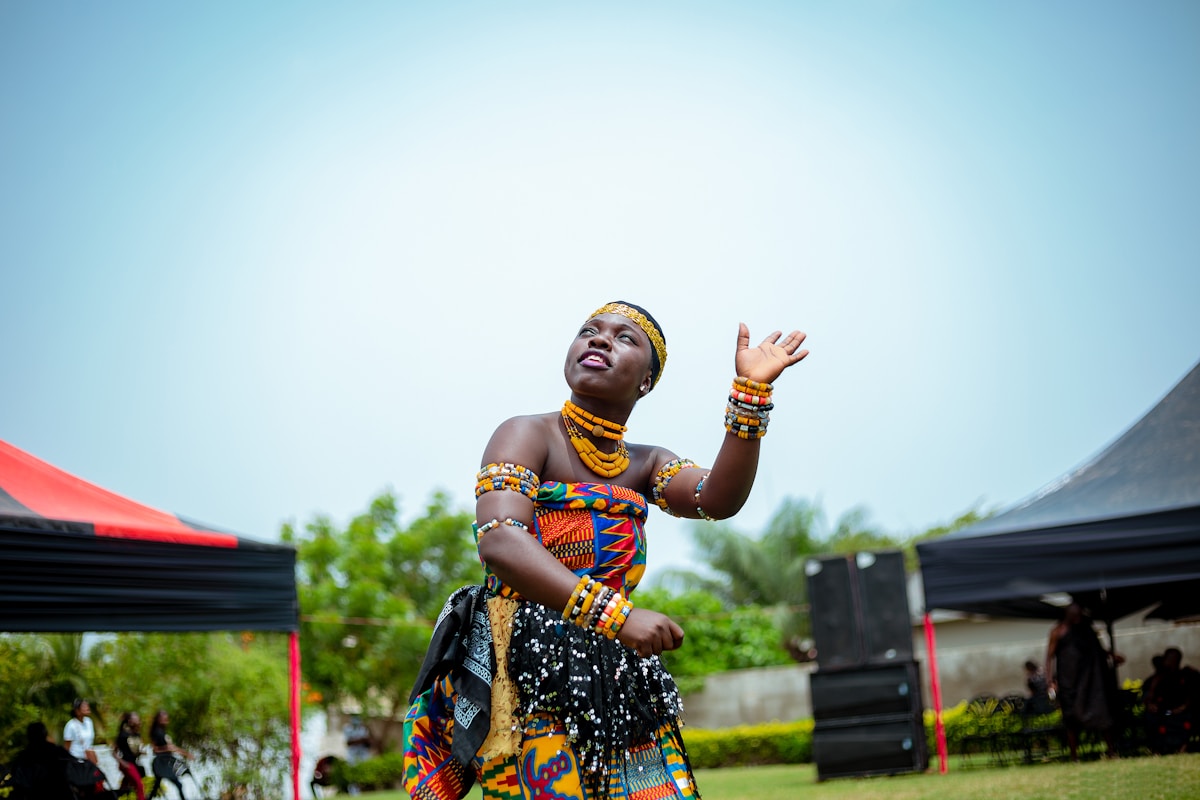
Cultural performances — including the Klama dance, which is unique to the Krobo — take place throughout the week at various venues around town.
The Grand Durbar (Final Saturday)
The climax of Ngmayem is the grand durbar. The Konor of Manya Krobo, wearing full traditional regalia, is carried through the streets in a palanquin accompanied by drummers, horn blowers, linguists (official spokespeople), and umbrella bearers. The procession is spectacular — a display of Krobo cultural wealth and political authority that draws thousands of spectators.
At the durbar grounds, the Konor sits in state to receive homage from sub-chiefs, queen mothers, community leaders, and visiting dignitaries. Speeches are made recounting the year’s achievements, challenges, and aspirations. The formal durbar transitions into open dancing and celebration that continues into the evening.
The Dipo Connection
Ngmayem and Dipo (the Krobo rite of womanhood) are the two defining cultural events of the Krobo calendar. While Dipo is a spiritual initiation held in April–May, Ngmayem is the harvest homecoming held in October–November. Together they represent the dual foundations of Krobo identity: spiritual continuity (Dipo) and material prosperity (Ngmayem).
Some visitors combine both in a single year — attending Dipo in April/May and returning for Ngmayem in October. This gives you the complete arc of the Krobo cultural year.
Getting There and Practical Information
- From Accra: 65 km north via the Accra-Koforidua highway. Paved road, 1.5 hours. Trotros from Tudu station cost GHS 30–40.
- Accommodation: Limited in Odumase (guesthouses GHS 100–200). Better options in Koforidua (30 min away) — Capital View Hotel is reliable.
- Essentials: Cash (limited ATM reliability), sunscreen, comfortable shoes. If buying beads, bring GHS 200–1000 depending on how much you want.
Combine With
- Krobo bead-making workshops — watch the full production process in nearby villages
- Shai Hills Resource Reserve — hiking and wildlife, 40 minutes from Odumase
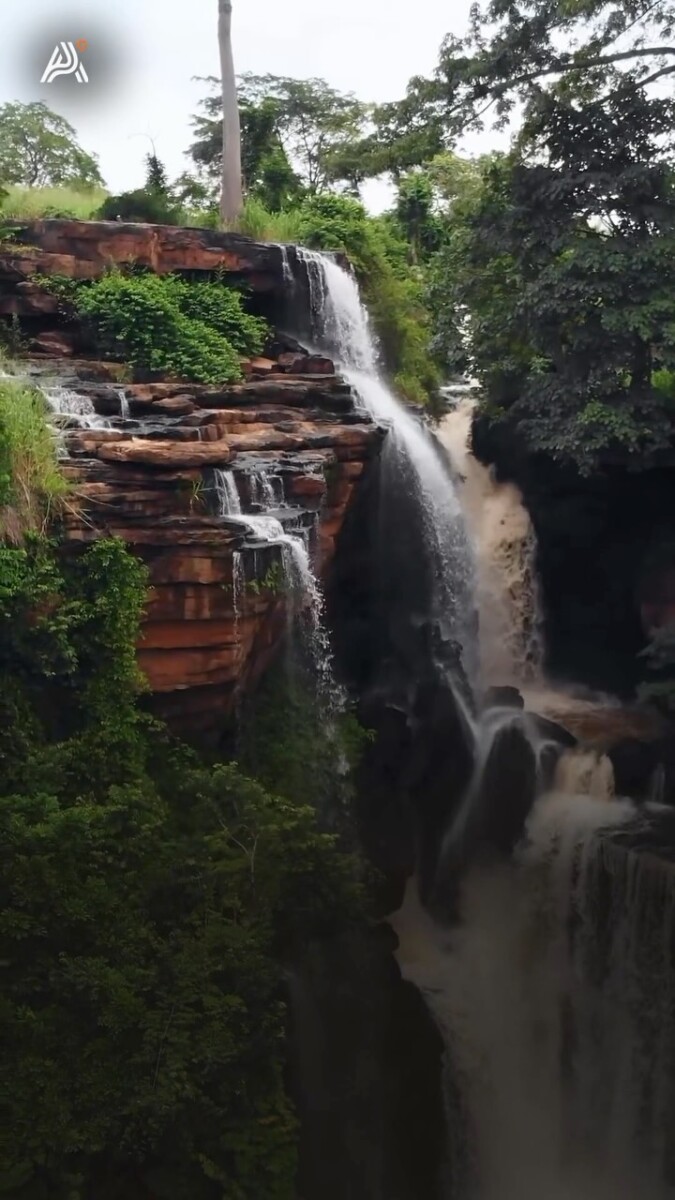
- Boti Falls — twin waterfalls, 1 hour east of Odumase
- Akosombo Dam — the hydroelectric dam on the Volta River, 45 minutes northeast
Visit with Akwaaba
Akwaaba offers guided Eastern Region tours timed to Ngmayem, including bead workshop visits, Shai Hills, and community introductions. Browse packages or contact us for a custom itinerary.
Frequently Asked Questions
Is Ngmayem better than Dipo for visitors?
Different experiences. Ngmayem is a week-long public celebration with great shopping (beads) and a grand durbar. Dipo is a sacred initiation with restricted access to some ceremonies. For first-time visitors, Ngmayem is more accessible.
Can I buy beads at Ngmayem?
Yes — it’s the best time and place to buy Krobo beads in Ghana. Artisans are present, selection is maximum, and prices are better than Accra markets.
Is it a good day trip from Accra?
Yes for the durbar day (Saturday). Leave Accra by 7 AM, arrive by 8:30, watch the procession and durbar, buy beads, eat Krobo food, return by evening. For the full week’s experience, stay overnight.
What’s the best day to visit?
The final Saturday (grand durbar) is the main event. Wednesday/Thursday are good for the bead exhibitions without the Saturday crowds.
The Economics of Krobo Beads
Krobo beads are not just cultural artifacts — they are a genuine economic engine. The Krobo bead industry supports hundreds of artisan families in the Odumase-Krobo area, and exports reach markets in the United States, Europe, Japan, and across Africa. A single strand of quality Krobo beads sells for $5–50 at the source and $20–200 in international markets. During Ngmayem, the bead exhibition functions as both a cultural showcase and the most important trade fair of the year for Krobo bead makers.
The beads themselves are made from recycled glass — bottles, windows, broken glassware — ground into fine powder, mixed with clay and coloring agents, pressed into molds, and fired in wood-burning kilns at temperatures exceeding 800°C. The process is labor-intensive and requires skills passed down through families over generations. Some bead patterns are exclusive to specific families and cannot be legally reproduced by others — a form of traditional intellectual property.
If you are buying beads at Ngmayem, look for the artisan’s name and town — authentic Krobo beads can be traced to their maker. Mass-produced imitations from China and India have flooded West African markets, but the difference in quality is visible to anyone who has handled both. Genuine Krobo beads have slight irregularities — small variations in shape and color — that machine-made beads lack. These imperfections are features, not flaws.
The Krobo Identity Question
Ngmayem is not just a harvest festival. It is an identity assertion. The Krobo are one of the smaller ethnic groups in Ghana, numbering approximately 400,000 people — a fraction of the Akan or Ewe populations. Surrounded by larger groups and influenced by decades of Accra-centric national culture, the Krobo have used Ngmayem as a mechanism for cultural self-preservation.
The festival’s homecoming dimension is central to this. When Krobo people return from Accra, Tema, or abroad for Ngmayem, they are not just visiting family. They are renewing their connection to a cultural identity that is easy to lose in the anonymity of urban life. The Konor’s durbar procession — with its drums, palanquins, and ancestral regalia — is a visual assertion that Krobo culture is alive and authoritative, not a relic.
For visitors, this context matters. You are not watching a cultural museum exhibit. You are witnessing a community’s annual act of self-definition — their declaration that they are still here, still Krobo, still rooted in the traditions that Nene Azu Mate Kole formalized in 1944 and that his successors have maintained for eight decades since.
Day Trip vs. Overnight
The proximity to Accra makes this a real decision:
Day trip advantages: No accommodation headaches (options in Odumase are limited), can return to Accra comforts in the evening, works well for the Saturday durbar specifically.
Overnight advantages: Experience the evening celebrations (drumming and dancing continue past midnight on durbar day), browse the bead market without time pressure, attend mid-week cultural events that day-trippers miss, and simply spend more time absorbing the atmosphere of a town in full celebration mode.
Our recommendation: if this is your first visit, do the Saturday day trip. If you are a bead buyer, cultural photographer, or repeat visitor, stay overnight in Koforidua and give yourself two full days.
EVENTS IN GHANA
What's On in Ghana This Week
Festivals, concerts, cultural events, and experiences — updated every week.
Browse Events →
Lock in your Ghana trip for just $100 down
Flights, vetted stays, local guides and SanlamAllianz insurance — all handled. Reserve your spot with $100, pay the balance later.
FROM @AKWAABA.APP
See What Ghana Actually Looks Like
Our six latest posts on Instagram