Things to Do in Cape Coast
Castles, beaches, and cultural heritage
Things to Do in Cape Coast — History, Beaches & Hidden Gems
Cape Coast is 3.5 hours west of Accra and worth every minute of that drive.
It is one of the most historically significant cities in Africa — the former British colonial capital of the Gold Coast, built on a coastline where Portuguese, Dutch, Swedish, and British powers all competed for control over several centuries, and where millions of enslaved Africans were held in dungeons before being shipped across the Atlantic.
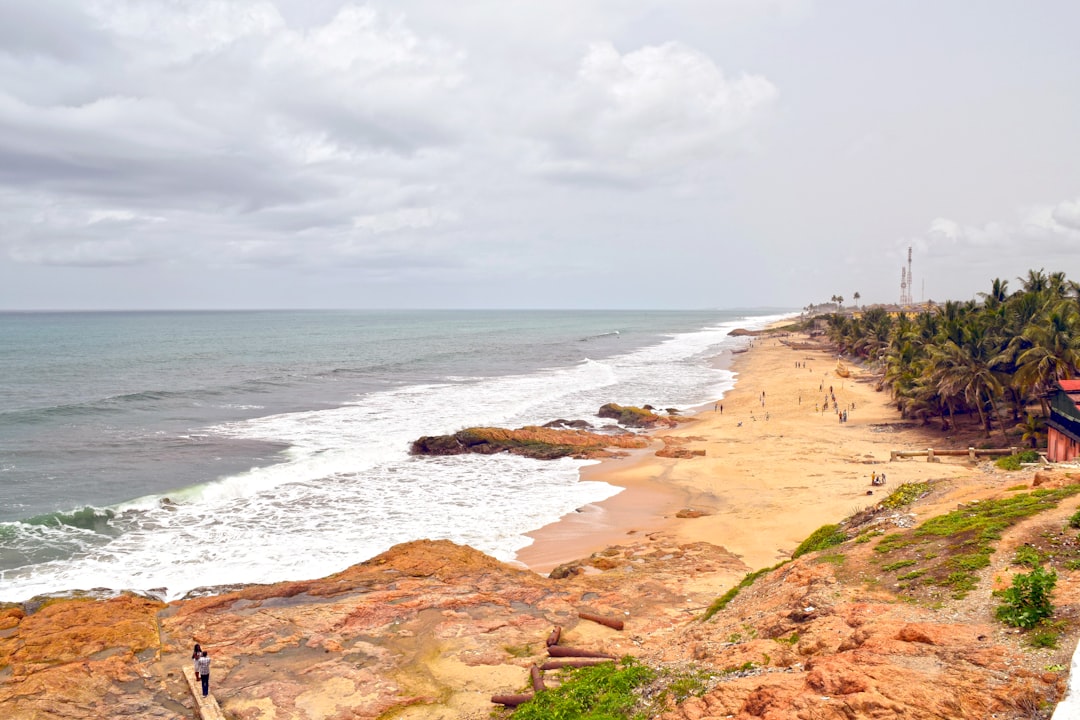
But Cape Coast is also genuinely beautiful. The old colonial town is photogenic in a crumbling, melancholy way. The fishing harbour at dawn is one of the most striking scenes in Ghana. The surrounding coastline has empty beaches that the Accra day-trippers haven’t found yet. And Kakum National Park — 30 minutes north — is one of the most extraordinary nature experiences in West Africa.
This guide covers the best things to do in Cape Coast for history lovers, nature seekers, beach travellers, and anyone visiting Ghana for the first time.
Book Cape Coast day trips and Ghana packages through Akwaaba App
Book a Cape Coast City Tour
Skip the planning — Cape Coast Castle, Elmina, and Kakum in one guided day, with Accra hotel pickup included:
Cape Coast Castle + Elmina + Kakum Heritage Day Tour → — \/person solo, \/person for groups of 2+.
EVERYTHING HANDLED FOR YOU
Akwaaba Covers the Full Trip — Not Just the Tour
1. Tour Cape Coast Castle (Essential)
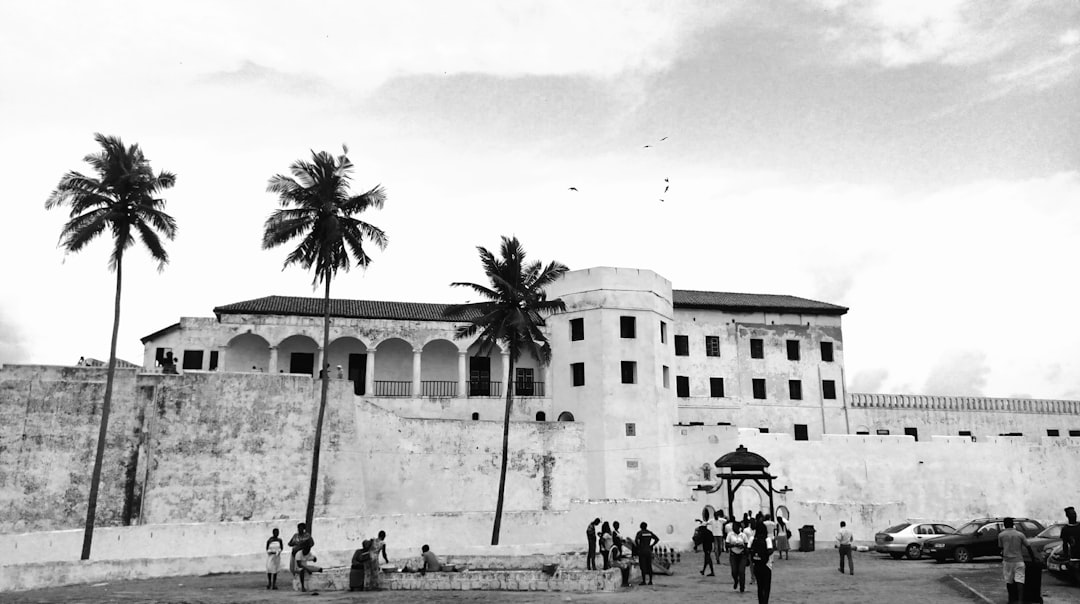
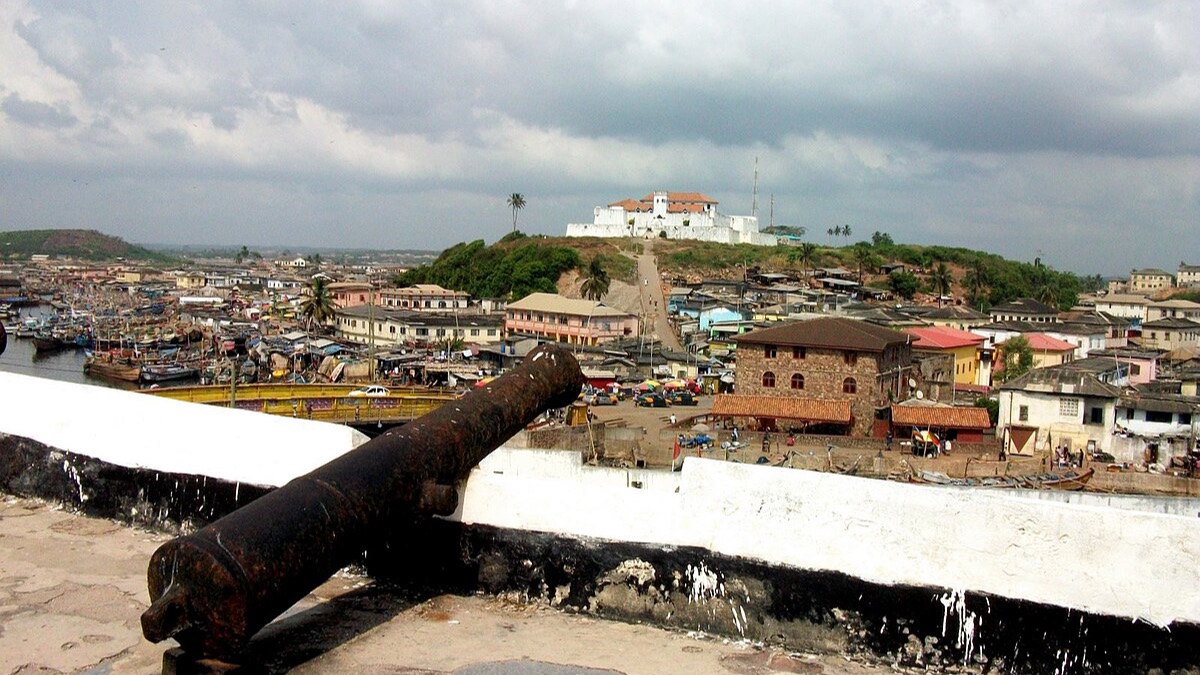
Built by the Swedes in 1653 and later held by the British, Cape Coast Castle was the largest slave-trading fort on the West African coast. It held thousands of enslaved Africans in underground dungeons — up to 1,000 people at a time in airless, lightless rooms — before they were marched through the Door of No Return onto slave ships.
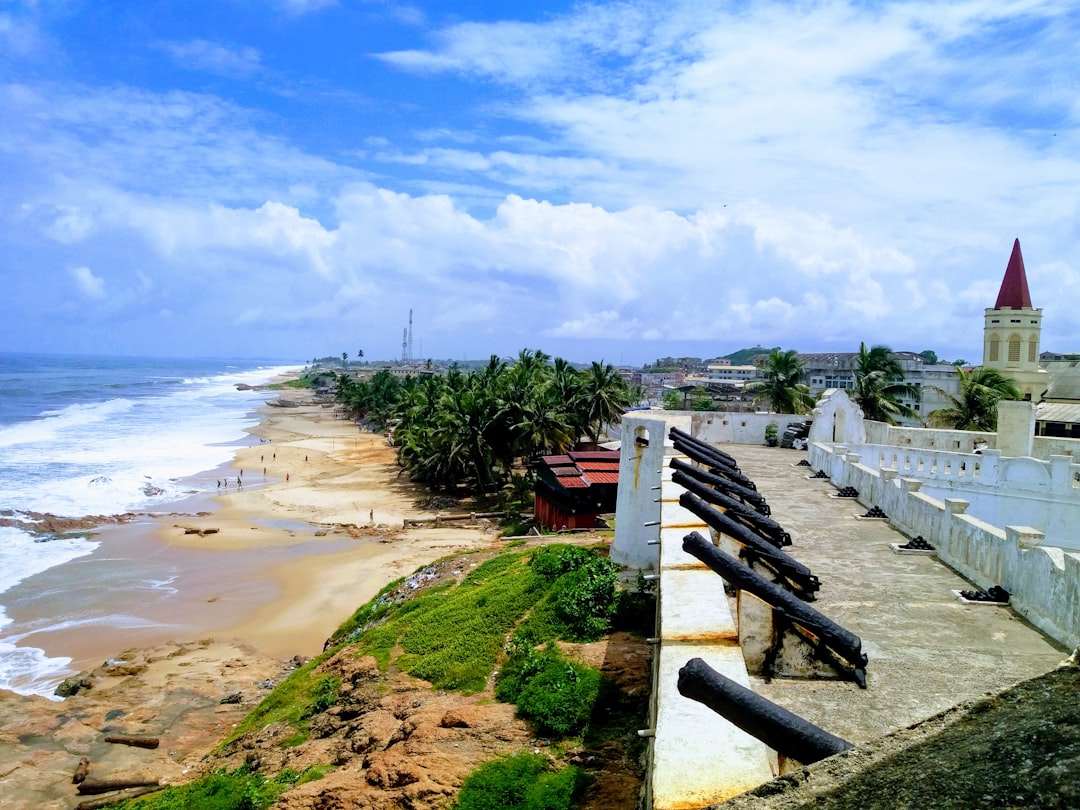
Today it’s a UNESCO World Heritage Site and one of the most emotionally powerful historic sites anywhere in the world. The guided tour takes you through the male and female dungeons, the condemned cell, the Door of No Return, and the castle’s upper level with cannon platforms and ocean views. Allow 1.5–2 hours for the full experience. Adults pay GHS 80; children GHS 40. The guided tour is mandatory and included in the price. Open daily 9am–5pm, last tour at 4pm.
Don’t rush this. The guide’s narrative is essential — the history is layered and the tour allows time for quiet reflection in the dungeons. Combine it with Elmina Castle (15 minutes away) for a full day.
Planning a Ghana heritage trip?
Akwaaba builds custom Ghana itineraries — castles, cultural sites, diaspora roots trips. Free 30-minute planning call.
2. Visit Elmina Castle
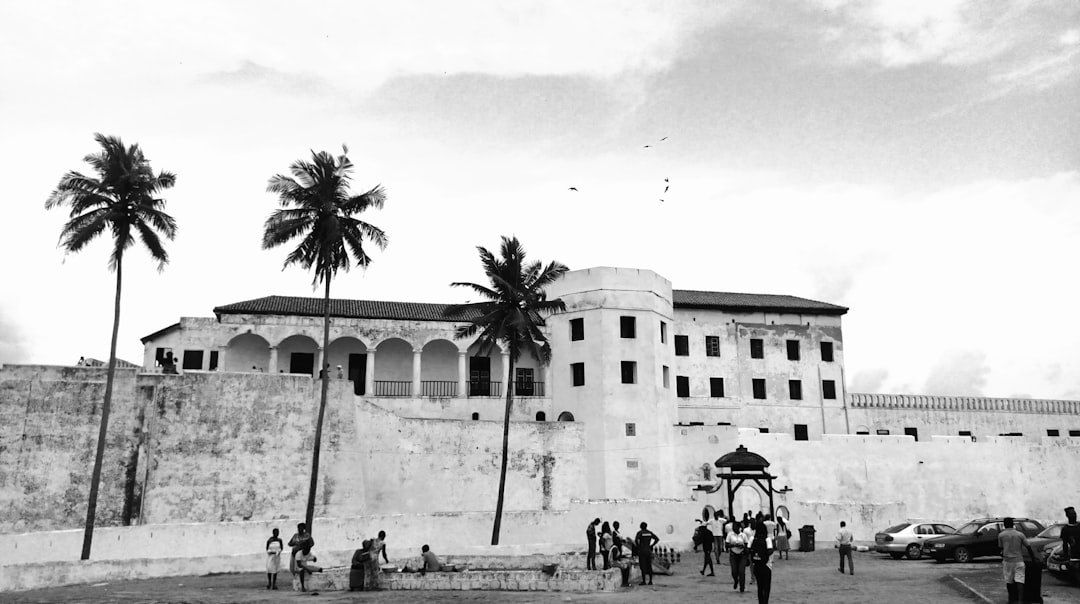
Fifteen minutes west of Cape Coast, Elmina Castle is the oldest European building in sub-Saharan Africa — built by the Portuguese in 1482, more than 200 years before Cape Coast Castle was constructed. The history is different, and the atmosphere is different too: more intimate, in some ways even more oppressive.
Both castles together are a necessary historical education. If you visit Cape Coast, visit Elmina. Entry is GHS 80 for adults. Open daily 9am–5pm; get there by taxi or Bolt from Cape Coast town.
3. Kakum National Park Canopy Walk
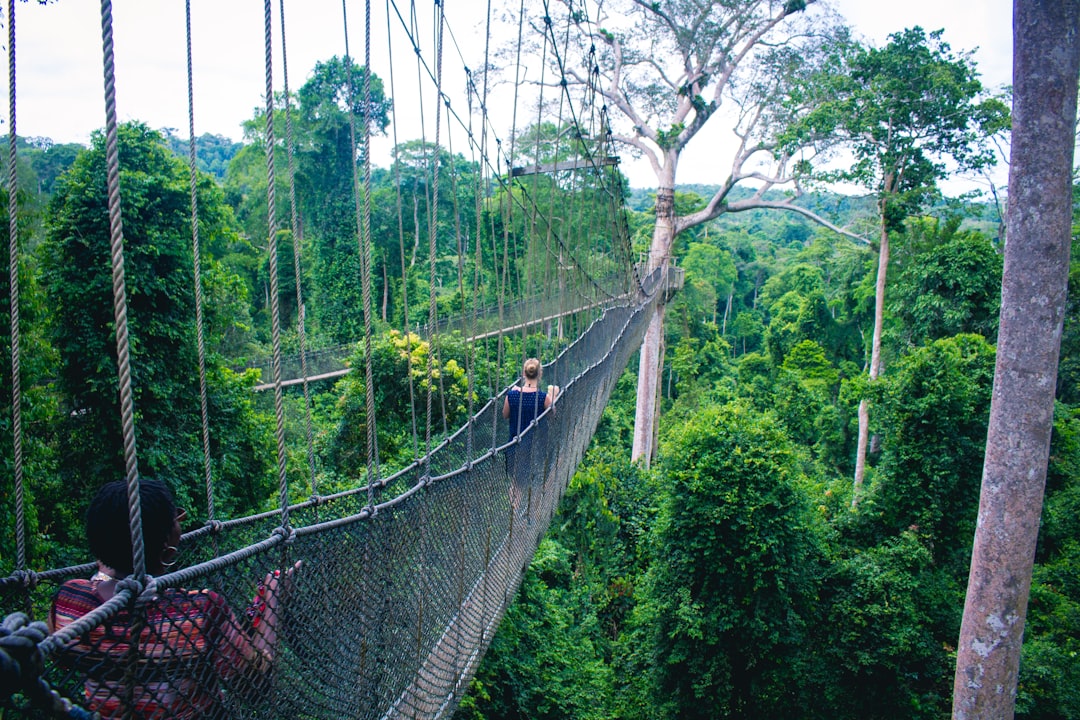
Seven aluminium platforms connected by rope bridges suspended 30 metres above the floor of one of West Africa’s last remaining tropical rainforests. You walk through the treetops of a forest that was once continuous from here to Central Africa.
Below: ancient trees, rare birds, forest elephants if you’re lucky, and a green silence that feels total. Above: open sky. The bridges sway underfoot. Most people grip the rope harder than they expected. It is genuinely unforgettable.
Entry runs GHS 100–150 for adults — the canopy walk fee is separate from park entry. The park opens daily 7am–5pm, but the canopy walk closes at 3pm, so arrive early. It’s 30 minutes north of Cape Coast by taxi or hired car. The most efficient pairing: Cape Coast Castle in the morning, Kakum in the afternoon.
4. Walk the Cape Coast Fishing Harbour
At dawn and early morning, Cape Coast’s fishing harbour is one of the most vivid scenes in Ghana. Brightly painted wooden fishing boats (pirogues) returning from overnight trips, catches being unloaded and sorted by women traders, the smell of fish and salt air, the sound of Fante being spoken. Go between 6am and 9am — it’s free.
Hire a local guide through Akwaaba App who can introduce you to the fishermen and explain the fishing culture. It transforms a photography stop into a real conversation.
5. Explore Cape Coast Town
The historic centre of Cape Coast is worth an hour of slow walking — crumbling colonial buildings, the central market, Victoria Park, and the surrounding streets where the city’s fishing community has lived for generations.
The town has an authenticity that is increasingly rare in African coastal cities. People actually live and work here; tourism is incidental rather than the point. Worth seeing:
- Cape Coast Market (mornings — fresh fish, produce, fabric)
- Victoria Park and the historic town centre
- The old colonial-era buildings along the waterfront
- The Methodist Cathedral (one of the oldest churches in Ghana)
Free to walk.
6. Kakum Forest Night Walk (Advanced)
A guided night walk through the Kakum rainforest — experiencing the forest after dark, when nocturnal species are active. Not for the faint-hearted. Costs GHS 80–100 and requires advance booking through Kakum National Park or Akwaaba App.
7. birdwatching at Kakum
Kakum National Park has over 350 bird species, including several rare West African forest species found almost nowhere else. The forest interior (accessed by trail below the canopy walk) is best in the early morning — go between 7am and 10am. Park entry plus a guide runs GHS 50–80.
8. Kayak the Cape Coast Lagoon
A mangrove lagoon runs behind the Cape Coast coastline — calm, green, and a complete change of atmosphere from the castle and beaches. Guided kayaking trips through the mangroves last 1–2 hours and run GHS 100–150 per person. Book through Akwaaba App experiences or local operators.
9. Visit Hans Cottage Botel
One of Ghana’s most unusual stops — a hotel and restaurant built on stilts over a lagoon home to sacred crocodiles. The crocodiles aren’t caged; they live freely in the water and can be fed (supervised) by visitors. The “botel” concept means the restaurant is accessed by a wooden walkway above the water. Entry is GHS 20 if you’re not eating; meals from GHS 80. On the main Accra–Cape Coast road, about 15km east of Cape Coast town. Open daily 8am–9pm.
10. Anomabo Beach
A quiet fishing village beach 15 minutes east of Cape Coast — traditional fishing boats, a 17th-century British fort watching over the shoreline, and very few tourists. One of the most authentic coastal stops near Cape Coast. Entry is free. Combine it with Hans Cottage (10 minutes further east) for a half-day coastal excursion.
11. Brenu-Akyinim Beach
A local favourite 15 minutes west of Cape Coast — a sheltered bay with calm water, food vendors, and a genuinely Ghanaian beach atmosphere. Far less crowded than anything near Accra. Entry is GHS 5–10. Weekday mornings are quietest; Easter weekend brings the Brenu Beach Festival.
12. Panafest / Joseph Project (if visiting July/August)
The Pan African Historical Theatre Festival — a biennial gathering of African diaspora visitors, scholars, artists, and performers at the Cape Coast and Elmina slave castles. One of the most powerful cultural events in Africa for diaspora visitors. Runs July/August in biennial years (check 2026 dates). Many events are free or low cost.
Related: Edina Bakatue Festival in Ghana
Related: Asogli Yam Festival in Ghana
Cape Coast Practical Guide
Getting to Cape Coast from Accra
- Private hire / Bolt: 3–3.5 hours, GHS 300–500 each way; most convenient option
- Shared taxis from Kaneshie lorry park (Accra): GHS 50–80; 3.5–4 hours
- Guided day trip with Akwaaba App: Driver + guide from Accra and back, GHS 400–600 per person
Where to Stay in Cape Coast
- Coconut Grove Beach Resort — beachfront, 4-star, best option in the area; from GHS 500/night
- Elmina Beach Resort — near Elmina castle, sea views, good restaurant; from GHS 400/night
- Anomabo Beach Resort — quiet, local atmosphere, beachfront; from GHS 250/night
- Budget option: Various guesthouses in Cape Coast town from GHS 100/night
How Long Do You Need?
- Day trip from Accra: Possible but rushed — Cape Coast Castle + Kakum only
- Overnight (1 night): Allows time for both castles, Kakum, and the fishing harbour
- 2 nights: Adds the lagoon, beaches, and a slower pace
Best Time to Visit Cape Coast
- Year-round — the castles and Kakum are accessible in any weather
- July/August — Panafest season; dry season with good beach conditions
- December–March — dry season, best beach weather
Frequently Asked Questions
Is Cape Coast Castle worth visiting?
Without question. Cape Coast Castle is one of the most important historic sites in the world — not just Africa. For any visitor with an interest in African history, the Transatlantic slave trade, or colonial history, it is essential. The guided tour is deeply moving and historically rich.
How do I get from Accra to Cape Coast?
The easiest option is a private hire car or Bolt (3–3.5 hours). Shared taxis run from Kaneshie lorry park in Accra. Akwaaba App offers guided day trips from Accra including transport and guide.
Can I do Cape Coast as a day trip from Accra?
Yes, but it’s a long day. Leave Accra by 7am, visit Cape Coast Castle (9am–11am), lunch in town, Kakum National Park (1–3pm), and return to Accra by 7pm. Better to stay overnight if you can manage it.
What is the entrance fee for Cape Coast Castle?
GHS 80 for adults (approximately $5–6 USD). Includes the mandatory guided tour.
More Ghana Guides
- 50 Best Things to Do in Ghana →
- Ghana Beaches Guide 2026 →
- Adventure Activities in Ghana →
- All-Inclusive Ghana Packages →
- Ghana Diaspora Homecoming Packages →
Last updated: February 2026
READY TO MAKE IT REAL?
Talk to a local Ghana expert — free.
30 minutes. No pressure. We’ll build your Ghana trip around what actually matters to you.
Ready to Experience Ghana?
Browse curated tour packages or plan your custom trip.
Plan your Ghana trip
Don't just read about it. Go.
Akwaaba plans and books Ghana trips for diaspora travelers. Free AI itinerary in 60 seconds — or WhatsApp our team to get a custom quote today.
Short on time? You can do Cape Coast + Kakum in one day from Accra with a vetted Akwaaba guide — castle and canopy walk, transport sorted.

Akosua Adoma is Akwaaba’s Marketing Manager and Ghana travel specialist. She has spent years exploring Ghana’s most iconic destinations — from the Cape Coast dungeons to the canopy walkways of Kakum — and helping diaspora travelers reconnect with the continent. She oversees Akwaaba’s content strategy, community partnerships, and brand storytelling.
Visit it — with a guide who knows the way
Don’t just read about it. Akwaaba’s curated, all-inclusive trips bring these places to life with verified local guides, transport, stays and a $50 airport chauffeur pickup.
Lock in your Ghana trip for just $100 down
Flights, vetted stays, local guides and SanlamAllianz insurance — all handled. Reserve your spot with $100, pay the balance later.
FROM @AKWAABA.APP
See What Ghana Actually Looks Like
Our six latest posts on Instagram