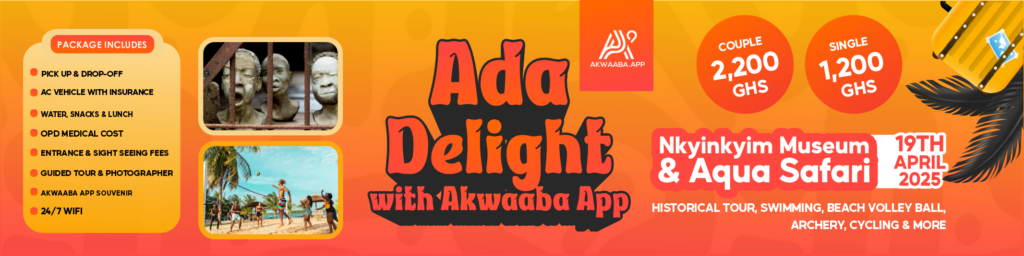
EVERYTHING HANDLED FOR YOU
Akwaaba Covers the Full Trip — Not Just the Tour
The Ewe People (Volta Region)

The Ewe people dominate Ghana’s Volta Region and extend into Togo and Benin. Their culture is rhythmic and structured.
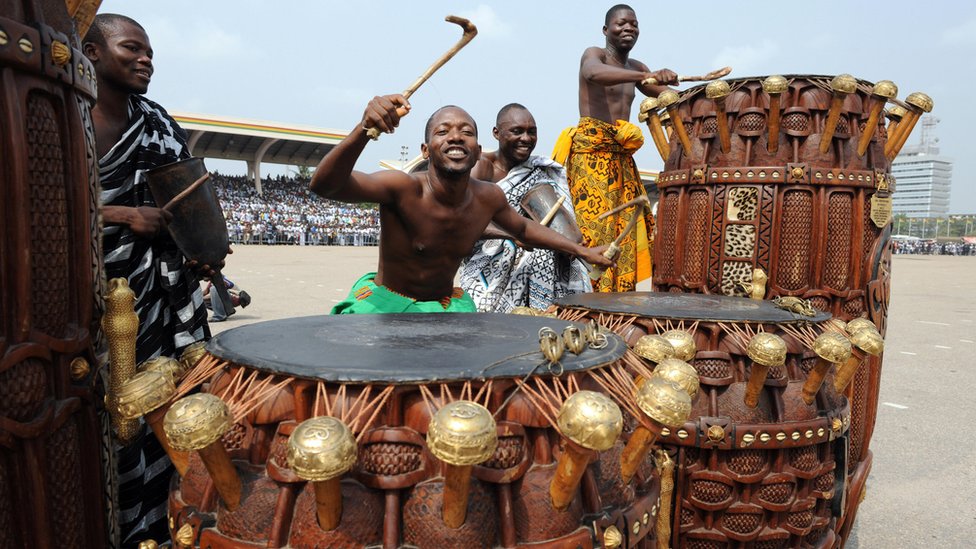
Drumming among the Ewe is mathematical. Complex. Intentional.
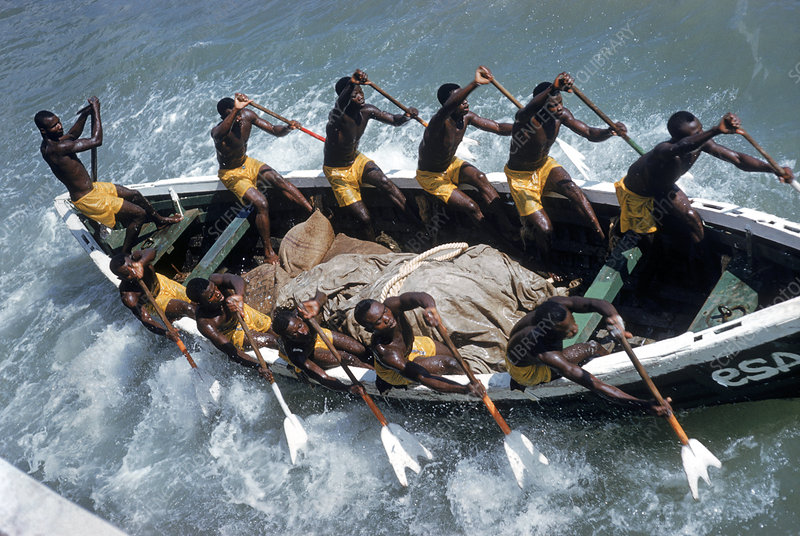
The Hogbetsotso Festival commemorates migration from Notsie in present-day Togo. It celebrates freedom and survival. Chiefs gather. Warriors parade. History is retold.
Travel Insight:
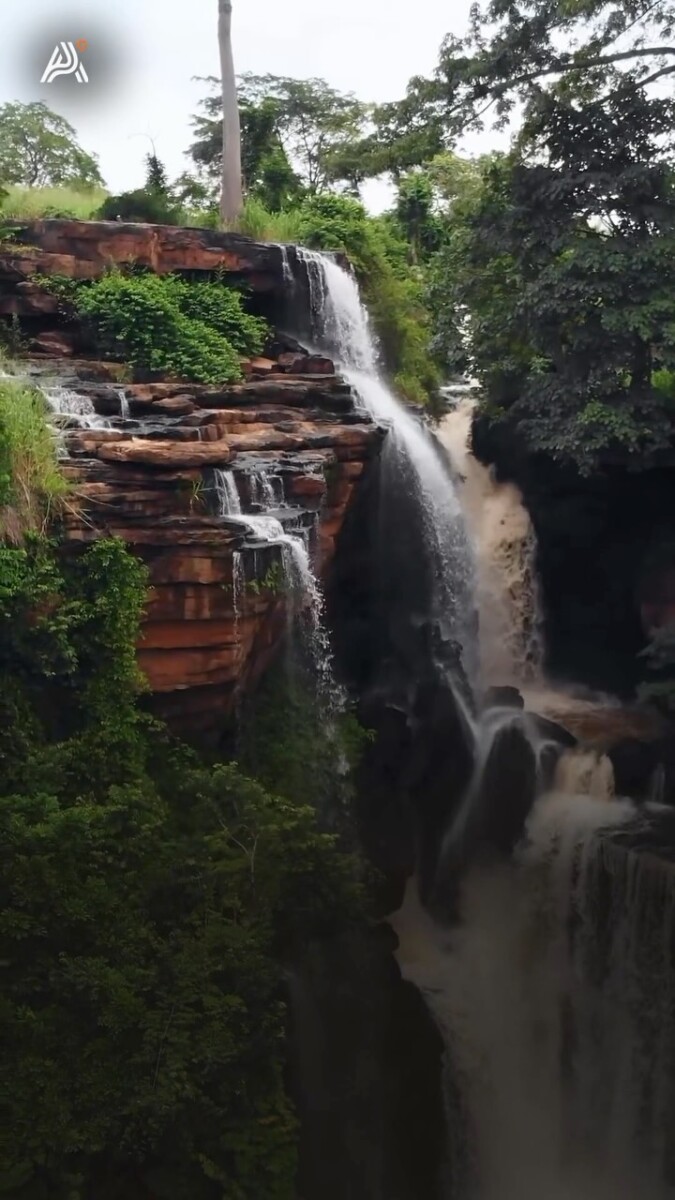
Combine Wli Waterfalls with a village visit. Ask about naming ceremonies. Among the Ewe, identity carries story.
The Ga-Adangbe People (Greater Accra)


The Ga are indigenous to Accra.
Before the skyscrapers, before the ministries, before the nightlife — there was Ga land.
The Homowo Festival means “hooting at hunger.” It commemorates overcoming famine. Families prepare kpokpoi (sacred corn meal). Elders pour libation. Communities parade.
Walk through Jamestown early morning and you will see fishermen returning while traditional priests perform rituals by the sea.
Travel Insight:
Never step into ritual space casually. Always ask before taking photos. Respect matters deeply in Ga communities.
The Dagomba and Northern Kingdoms


The Dagomba people carry oral history through drummers. They do not simply play music — they recite genealogy.
The Damba Festival marks the birth of the Prophet Muhammad but also reflects centuries of northern kingdom traditions.
Travel Insight:
When visiting Tamale or surrounding villages, dress modestly. Observe Friday prayer etiquette. Ask questions with humility.
Beyond the Major Groups: Ghana’s Lesser-Known Ethnic Communities
Ghana’s cultural identity is not limited to its largest ethnic groups. While Akan, Ewe, Ga-Adangbe, and Dagomba form significant pillars of national identity, dozens of smaller communities quietly preserve unique histories, languages, and customs.
Understanding them deepens your appreciation of Ghana’s full ethnic landscape.
The Akuapem
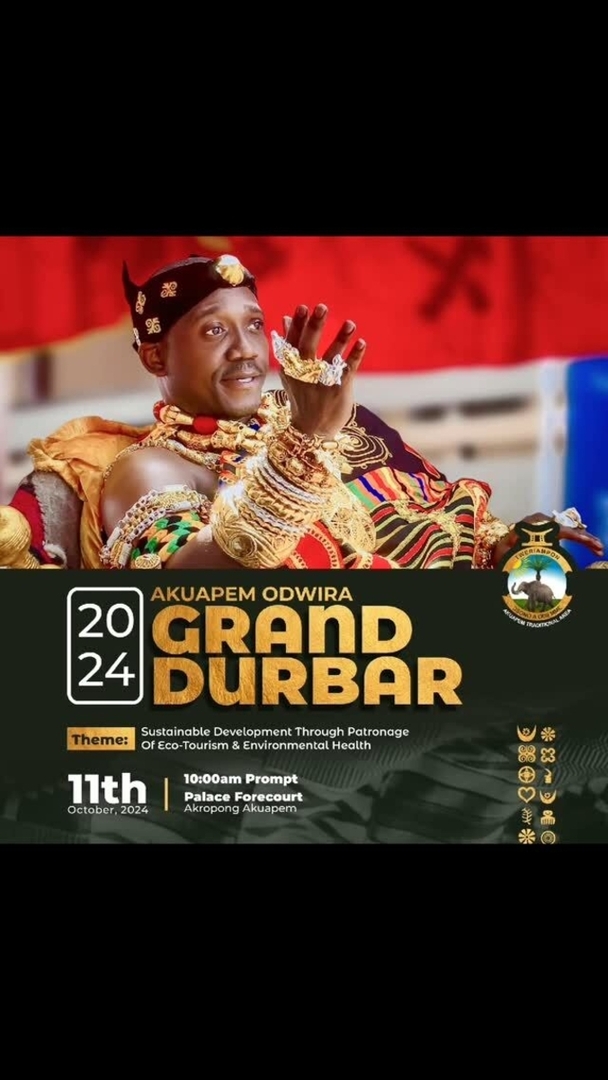
Located in the Eastern Region, particularly around Aburi and the Akuapem Hills, the Akuapem are part of the broader Akan group but maintain distinct linguistic and cultural nuances.
The cool mountain climate of Aburi shaped a quieter, reflective community rhythm. Historically, Akuapem communities played a strong role in early education and missionary interaction during colonial times.
Travel Insight:
Pair a visit to Aburi Botanical Gardens with conversations about local history. The hills hold stories beyond scenery.
The Efutu

The Efutu people are indigenous to Winneba in the Central Region. They are best known for the Aboakyir Festival — a dramatic annual deer-hunting ritual that determines which Asafo group presents the captured animal first.
Aboakyir is not symbolic pageantry. It reflects bravery, lineage pride, and community structure.
Travel Insight:
If attending Aboakyir, arrive early and stay aware of movement patterns. It is energetic and highly participatory.
The Mamprusi

The Mamprusi people are one of the oldest kingdoms in northern Ghana, centered around Nalerigu. Their chieftaincy system predates colonial borders and remains deeply respected.
Leadership, succession, and oral tradition carry immense weight within Mamprusi society.
Travel Insight:
When visiting northern palaces, observe silence and modest dress. Authority structures here are formal and deeply ancestral.
The Wala

The Wala people are primarily located in Wa in Ghana’s Upper West Region. Historically influenced by trans-Saharan trade routes, Wala culture reflects a strong blend of Islamic scholarship and traditional governance.
Their architectural heritage, including old mosques and compounds, reflects centuries of northern identity.
Travel Insight:
Wa offers a slower, grounded experience of Ghana. Combine cultural visits with regional eco-exploration.
Why This Matters for Travelers
When people search “Ghana ethnic groups list” or “minority tribes in Ghana,” they are often looking for proof of diversity.
Ghana’s richness lies not only in its largest populations, but in the preservation of smaller communities that continue to protect dialects, rituals, and lineage.
Travel becomes more meaningful when you understand that every region carries its own social blueprint.
Religious Diversity in Ghana: Beyond the Major Faiths
Ghana is predominantly Christian and Muslim, with traditional belief systems woven deeply into social life. But Ghana’s spiritual identity extends even further.
Religious diversity in Ghana reflects migration, trade, diplomacy, and globalization.
Hindu Communities in Ghana

Though small in number, Hindu communities exist primarily in Accra and Kumasi, largely within Ghana’s Indian diaspora population.
Temples serve as spiritual and cultural gathering centers. Major Hindu festivals are celebrated privately but contribute quietly to Ghana’s multicultural fabric.
Travel Insight:
Visitors are welcome at many temples but should observe modest dress and inquire respectfully about entry.
Other Minority Faiths
Ghana is also home to:
• Baháʼí communities
• Buddhist practitioners
• Jewish families
• Interfaith spiritual groups
These communities reflect Ghana’s openness and religious tolerance.
The Ghanaian constitution guarantees freedom of worship, and religious coexistence is one of the country’s quiet strengths.
In many families, you may even find blended practice — a Christian household that still honors traditional rites, or a Muslim community that participates in local festivals rooted in pre-Islamic tradition.
Religion here is not always rigid. It is layered.
What Religious Diversity Means for Visitors
For travelers, this diversity means:
• You may hear church music at dawn and mosque calls at midday.
• You may witness libation ceremonies before public events.
• You may see traditional priests and pastors coexist within the same community.
Approach each with respect.
Avoid assuming uniformity.
Ask questions with humility.
Observe before documenting.
Ghana’s religious landscape is not competitive. It is collaborative.
And that collaboration is part of what makes the country socially stable and welcoming.
Rastafarian Influence in Ghana
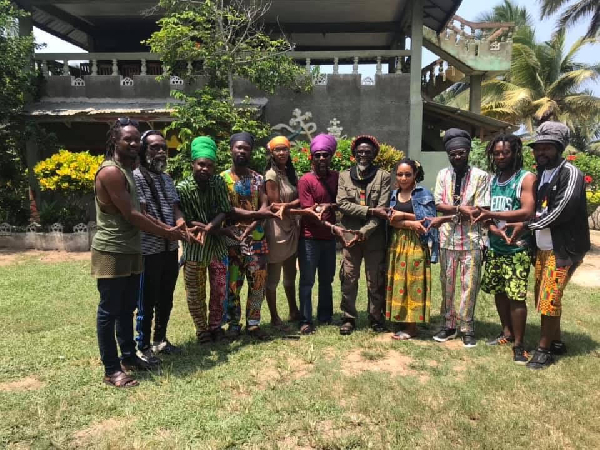
Along the coast in Kokrobite, you will encounter Rastafarian communities.
Rastafari in Ghana is not a tourist costume. It is spiritual philosophy rooted in Pan-African identity and return. For some in the diaspora, Ghana represents ancestral reconnection.
Conversations in these communities often center on liberation, African unity, and natural living.
Travel Insight:
Approach respectfully. Engage thoughtfully. This is worldview, not aesthetic.
Religion in Ghana: The Spiritual Framework
Religion in Ghana is not compartmentalized. It shapes daily life.
You will hear church choirs rehearsing midweek.
You will hear the call to prayer from mosques.
You will see libation poured before festivals and family events.
Christianity
Roughly 70 percent of Ghanaians identify as Christian. Services are energetic. Worship is musical. Sermons are expressive and often community-centered.
If you attend Sunday service, expect warmth — and possibly several hours.
Islam
Islam is prominent in northern Ghana but present nationwide. Friday prayers gather strong attendance. Islamic dress codes are observed closely in traditional communities.
Traditional Beliefs
Indigenous spirituality honors ancestors and nature spirits. Many families blend Christian or Islamic faith with traditional rites. Naming ceremonies, funerals, and festivals often incorporate ancestral reverence.
Spiritual coexistence is one of Ghana’s strengths. Public religious conflict is rare. Mutual respect is common.
EVENTS IN GHANA
What's On in Ghana This Week
Festivals, concerts, cultural events, and experiences — updated every week.
Browse Events →
Akosua Adoma is Akwaaba’s Marketing Manager and Ghana travel specialist. She has spent years exploring Ghana’s most iconic destinations — from the Cape Coast dungeons to the canopy walkways of Kakum — and helping diaspora travelers reconnect with the continent. She oversees Akwaaba’s content strategy, community partnerships, and brand storytelling.
Visit it — with a guide who knows the way
Don’t just read about it. Akwaaba’s curated, all-inclusive trips bring these places to life with verified local guides, transport, stays and a $50 airport chauffeur pickup.
Lock in your Ghana trip for just $100 down
Flights, vetted stays, local guides and SanlamAllianz insurance — all handled. Reserve your spot with $100, pay the balance later.
FROM @AKWAABA.APP
See What Ghana Actually Looks Like
Our six latest posts on Instagram