Ghana is one of West Africa’s most rewarding travel destinations — and one of the most straightforward to visit, once you know what you are doing. This guide covers everything: visa requirements, when to go, where to stay, what to eat, how to get around, and the experiences that will make your trip unforgettable.
Whether you are a member of the diaspora returning for the first time in years, a first-time visitor to West Africa, or a seasoned Africa traveler adding Ghana to your map — this is the guide we wish had existed when we started planning.
Why Visit Ghana
EVERYTHING HANDLED FOR YOU
Akwaaba Covers the Full Trip — Not Just the Tour
Ghana offers something few countries can: the full spectrum of African travel in a single, safe, English-speaking destination. History at the slave castles of Cape Coast and Elmina. Nature at Kakum National Park’s canopy walkway. Culture in Kumasi’s Ashanti kingdom. Urban energy in Accra’s art galleries, restaurants, and nightclubs. Community — the particular warmth of a country where akwaaba (welcome) is reflexive rather than performed.
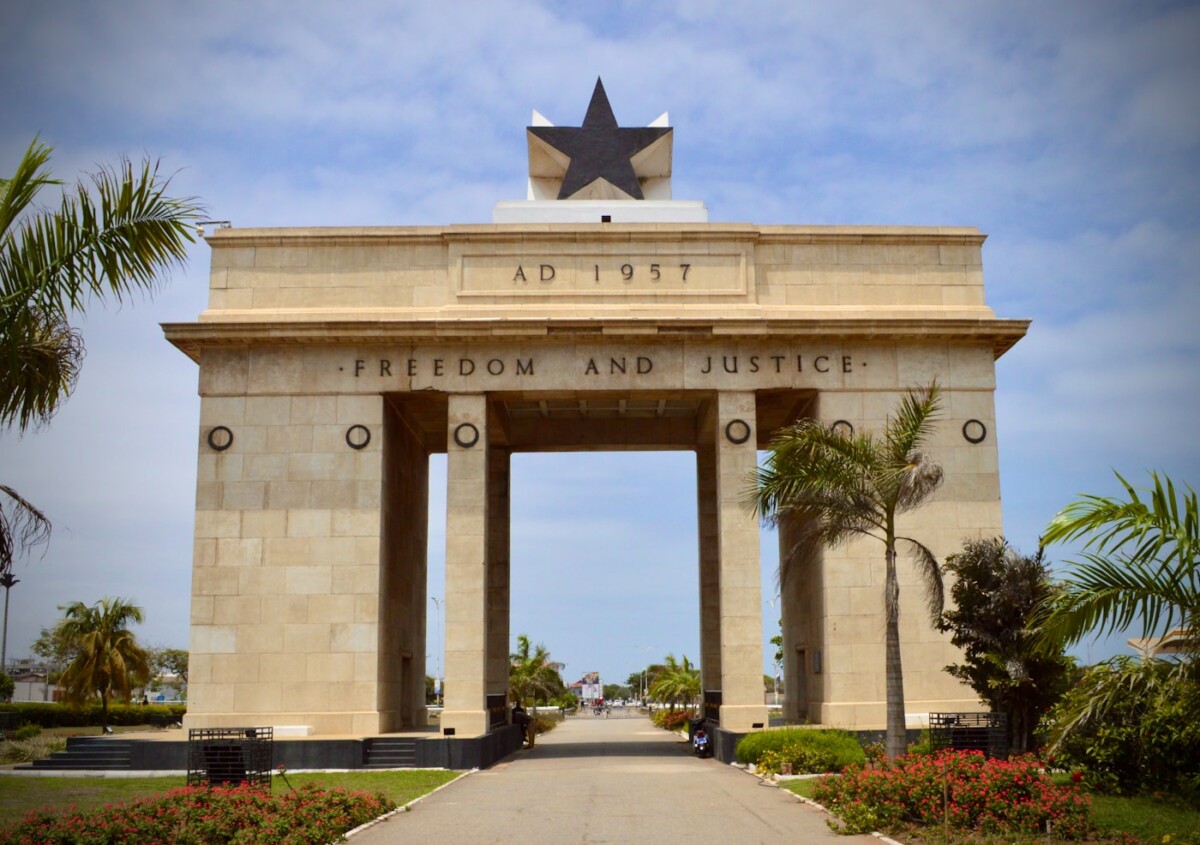
It is also politically stable. Ghana has held peaceful democratic elections continuously since 1992. The US State Department assigns most of the country a Level 1 advisory (Exercise Normal Precautions) — its safest rating. For the diaspora specifically, Ghana carries an additional dimension: it was the first sub-Saharan African country to gain independence (1957), and has positioned itself explicitly as a home for Africans everywhere.
→ Read the full case for Ghana
“Ghana was the first sub-Saharan African country to gain independence. That history is not a backdrop — it is the entire point. You feel it the moment you land.”
— Akwaaba Travel Team
When to Visit Ghana
Best overall: November to March (dry season). Temperatures range from 23°C to 32°C in Accra, humidity is manageable, and rainfall is minimal. This is peak travel season — and the most socially vibrant period, especially December.
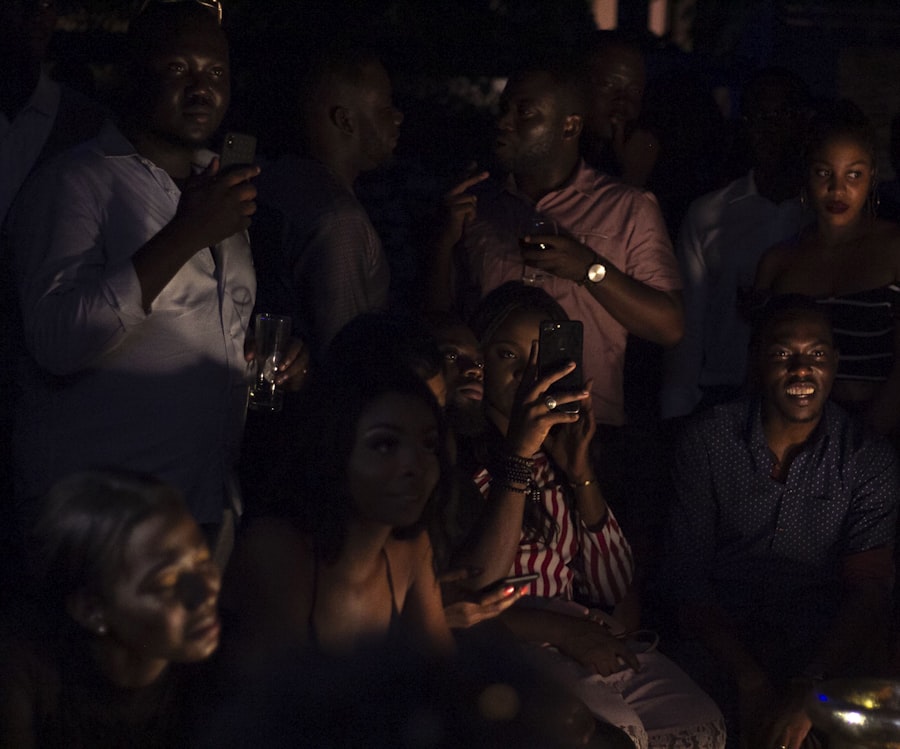
December (Detty December). Accra’s annual festival season, when the global African diaspora converges for concerts, beach parties, cultural events, and New Year celebrations. Experience Africa (formerly AfroFuture), Afro Future, and dozens of independent events run December 20–January 3. Book flights and accommodation by September — it sells out.
July–August. Second dry window in the south. Panafest and Ghana’s Emancipation Day (August 1st) make this period particularly significant for diaspora travelers. Lush post-rain landscape in the Volta Region and national parks.
Rainy seasons: April–June and September–October. Shorter, afternoon-burst rainfall rather than all-day downpours. Significantly fewer tourists, lower prices, green landscapes. Excellent for nature and waterfalls. Manageable with a light rain jacket and flexible scheduling.
Monthly summary:
- Nov–Mar: Dry, warm, peak season. Best for coast, Accra, heritage sites.
- Apr–Jun: First rains. Lush, quiet, affordable. Good for nature.
- Jul–Aug: Drier, Panafest season, Emancipation Day. Strong for diaspora heritage trips.
- Sep–Oct: Second rains. Quietest, cheapest. Good for adventurous travelers.
- December: Peak of peak. Detty December. Book very early.
→ Full month-by-month breakdown
Ghana Visa and Entry Requirements
Most nationalities require a visa to enter Ghana. Here is what you need to know:
E-visa (recommended): Apply online at gisonline.gov.gh. Available to most nationalities including US, UK, Canadian, EU, and Australian citizens. Standard processing: 5–7 business days. Express processing: 2–3 business days (higher fee). Apply at least 2 weeks before travel.
Costs: Single-entry tourist visa (30 days): approximately $60–80. Single-entry (60 days): $80–100. Multiple-entry: $120–150. Fees vary by nationality — verify at the official portal.
ECOWAS exemption: Citizens of West African ECOWAS member states (Nigeria, Senegal, Côte d’Ivoire, etc.) do not require a visa.
Yellow fever certificate: MANDATORY. All travelers must carry the original yellow fever vaccination certificate (the physical yellow card). A digital copy is not accepted. You will be checked at the port of entry. Get vaccinated at least 10 days before travel.
Other health requirements: No other vaccinations are mandatory, but the CDC recommends hepatitis A, typhoid, and routine vaccines. Malaria prophylaxis is strongly advised for all regions — consult your doctor at least 4 weeks before travel.
Visa on arrival: Not available for most nationalities. Do not arrive without a pre-approved visa.
→ Complete Ghana visa guide with country-specific requirements
Getting to Ghana
Airport: Kotoka International Airport (ACC) in Accra is Ghana’s main international gateway, located approximately 10km from central Accra.
Direct flights from:
- London Heathrow: British Airways (~6.5 hours)
- Amsterdam: KLM (~6.5 hours)
- Frankfurt: Lufthansa (~7 hours)
- New York JFK: Delta, United (~9.5 hours)
- Washington Dulles: United (~9 hours)
- Toronto: Air Canada (seasonal) (~10 hours)
- Dubai: Emirates (~8.5 hours — popular connection for UK/Europe)
- Johannesburg: South African Airways (~5 hours)
From the US/UK: Ethiopian Airlines, Air Maroc, and Turkish Airlines offer competitive fares with one stop via Addis Ababa, Casablanca, or Istanbul respectively. Average round-trip from NYC: $900–1,400. London: £500–900. Prices spike sharply in December.
Arrival: Immigration queues at Kotoka can be long. Have your visa approval, yellow fever card, and onward/return ticket ready. Uber and Bolt pick up from arrivals. Avoid unregistered taxi touts.
Getting Around Ghana
In Accra — Uber and Bolt. Both operate extensively across Accra and are the recommended option for tourists. Fares are inexpensive: most city trips cost $3–8. Surge pricing applies during peak event nights. Download both apps before arrival as a backup.
Intercity — STC buses. Ghana’s State Transport Company runs comfortable, air-conditioned coaches between Accra, Cape Coast, Kumasi, Takoradi, and Tamale. Book online at stcghana.com. Cape Coast: ~2.5 hours from Accra. Kumasi: ~4 hours. Tamale: ~12 hours.
Tro-tros. Ghana’s shared minibus network connects everywhere STC doesn’t. Extremely cheap (under $1 for most regional journeys), variable in comfort and timing. Essential for understanding how Ghana moves; not recommended as primary transport for time-limited itineraries.
Car hire. For day trips to Cape Coast, Kakum, the Volta Region, and Kumasi, hiring a car with a driver is the most flexible option. Expect $60–120/day including driver. Your hotel or Akwaaba can arrange trusted drivers.
Internal flights. Africa World Airlines (AWA) and PassionAir connect Accra to Kumasi (~45 min, ~$80) and Tamale (~1 hour, ~$100). Worth it for the north or if your time is limited.
Driving yourself: Possible but not recommended for first-time visitors. Ghanaian roads outside Accra are variable in quality; driving culture is assertive. Roads are left-hand drive (British system).
Where to Stay in Ghana
Accra has the widest range of accommodation in the country:
- Budget ($30–60/night): Guesthouses and hostels in Osu and Labone. Alisa Hotel Accra is a reliable mid-budget option.
- Mid-range ($80–180/night): Mövenpick Ambassador Hotel, Labadi Beach Hotel, Accra City Hotel. Serviced apartments in Airport Residential are excellent value for longer stays.
- Luxury ($200+/night): Kempinski Hotel Gold Coast City, Marriott Accra, Mövenpick Ambassador. These are genuinely world-class properties.
Cape Coast: Most visitors day-trip from Accra (~3 hours), but staying overnight lets you visit the castle at golden hour and explore Elmina at sunset. The Hans Cottage Botel (rooms over a crocodile lagoon) and Baobab Lodge are popular options ($60–120/night).
Kumasi: Ghana’s second city has solid mid-range options including Anita Hotel and Miklin Hotel (~$80–120/night). The city is best as a 2-night base for exploring the Ashanti Region.
Volta Region: Eco-lodges near Wli Falls and the Agumatsa Wildlife Sanctuary. Simple but well-maintained (~$40–80/night). Book ahead in peak season.
Mole National Park: The Mole Motel sits at the edge of the park and is the only accommodation within it (~$50–90/night). Hippos regularly graze in view of the terrace at dusk.
Top Destinations in Ghana
Accra
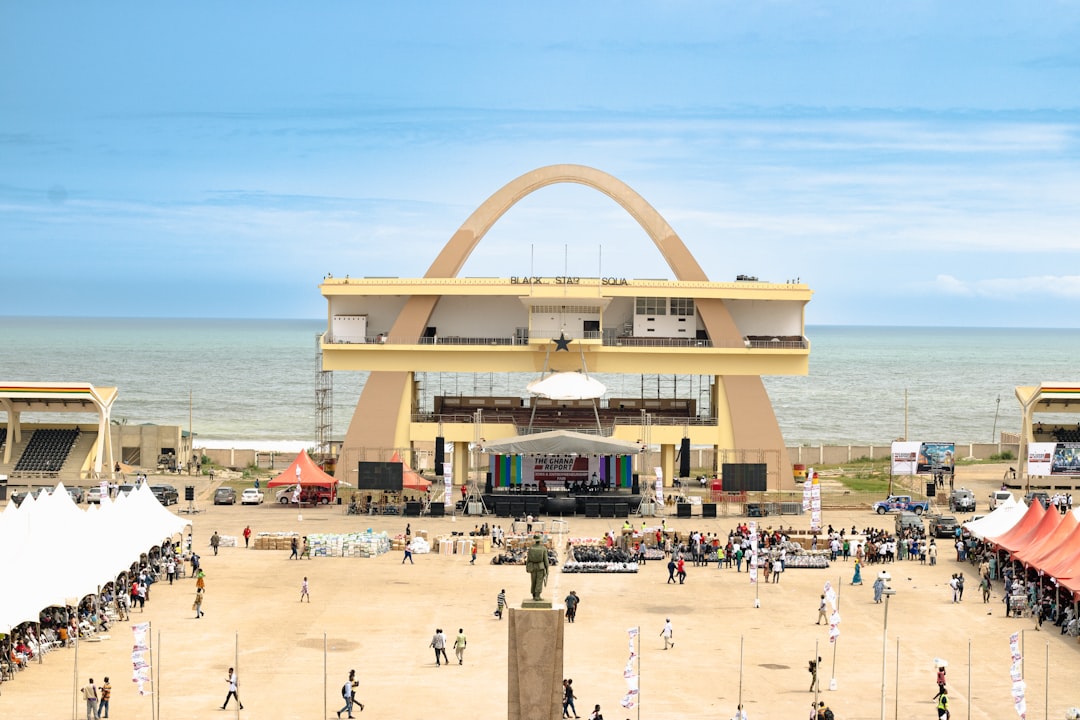
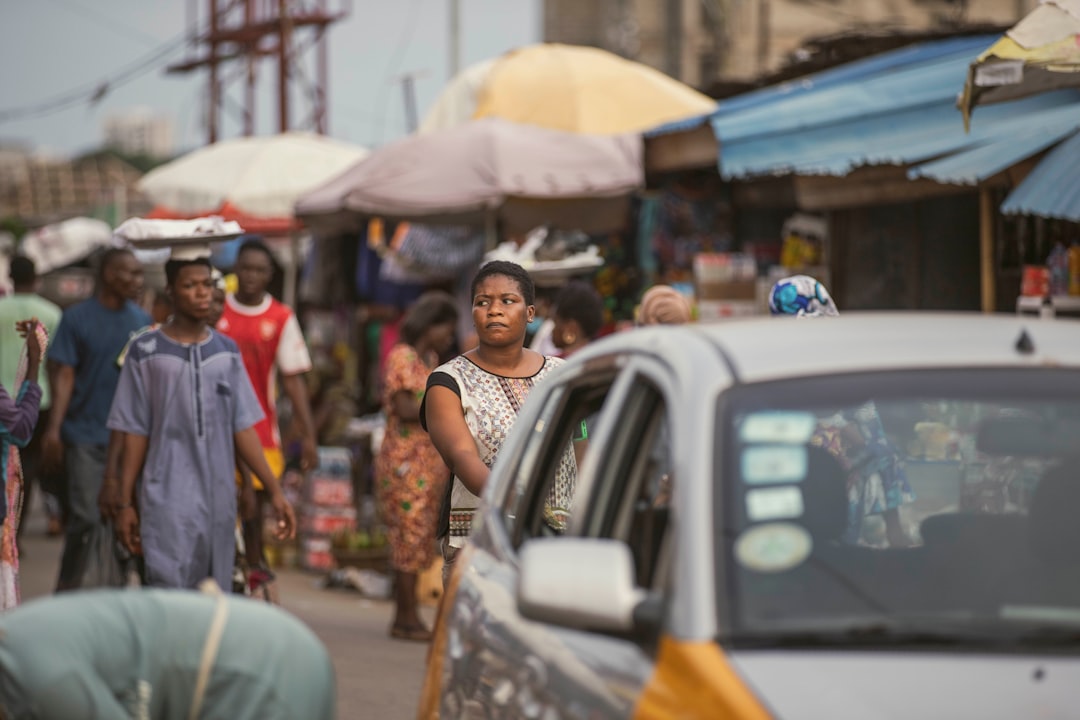
Ghana’s capital is your gateway and often your most time-consuming destination. Key areas: Jamestown (colonial harbor, street art, boxing gyms), Osu (restaurants, nightlife, galleries), Airport Residential (embassies, upscale dining), East Legon (expat residential, good restaurants). Don’t miss the National Museum, Kwame Nkrumah Memorial Park, and at least one evening in Osu. → Full Accra guide
Cape Coast and Elmina
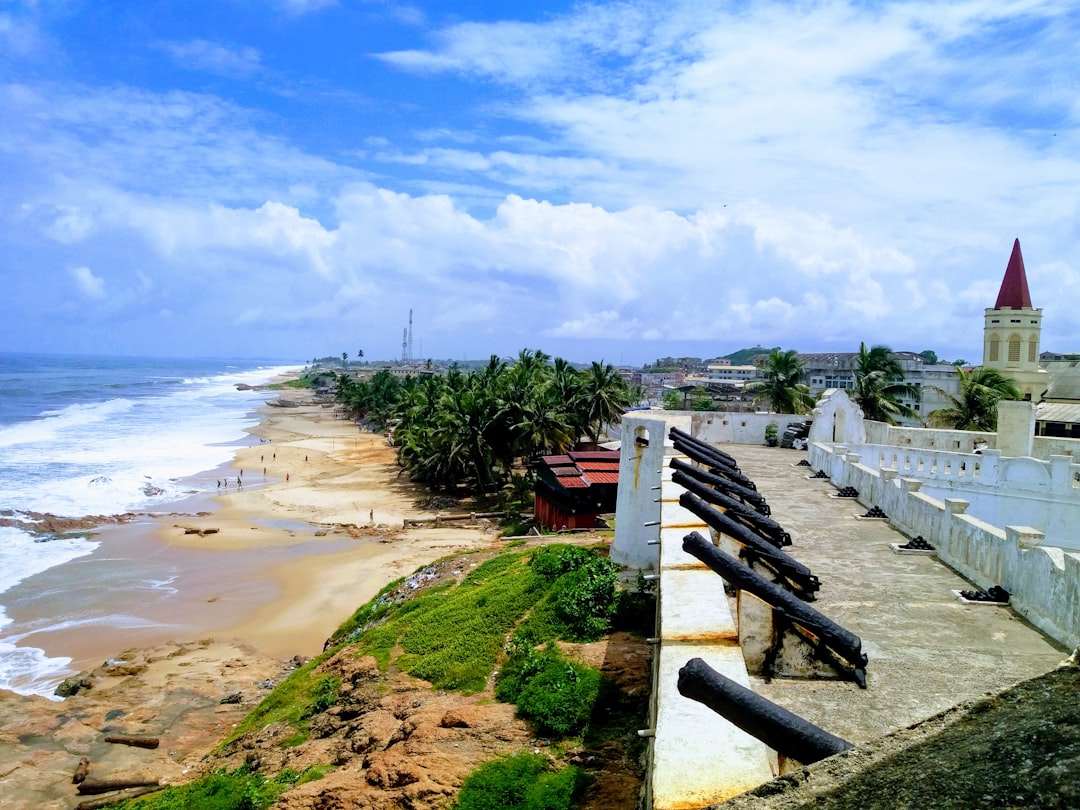
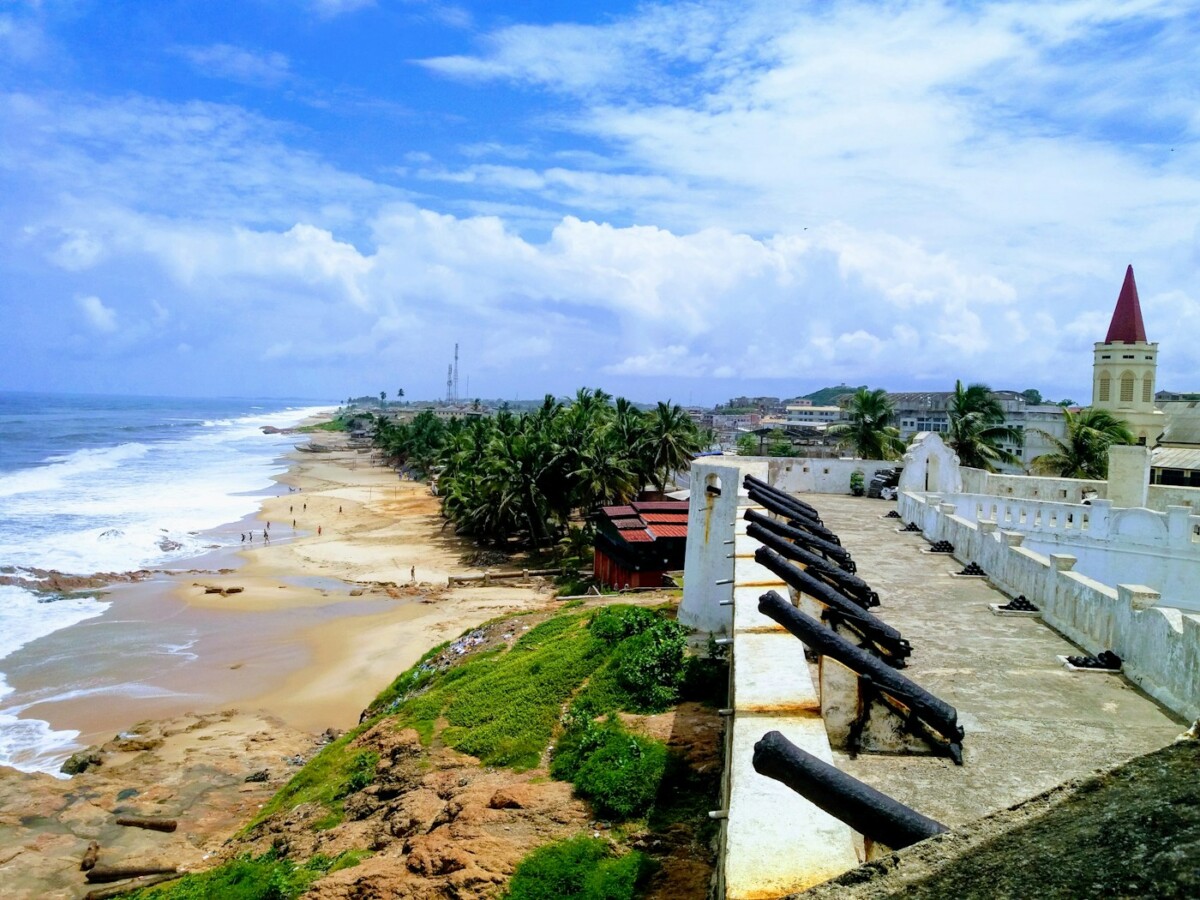
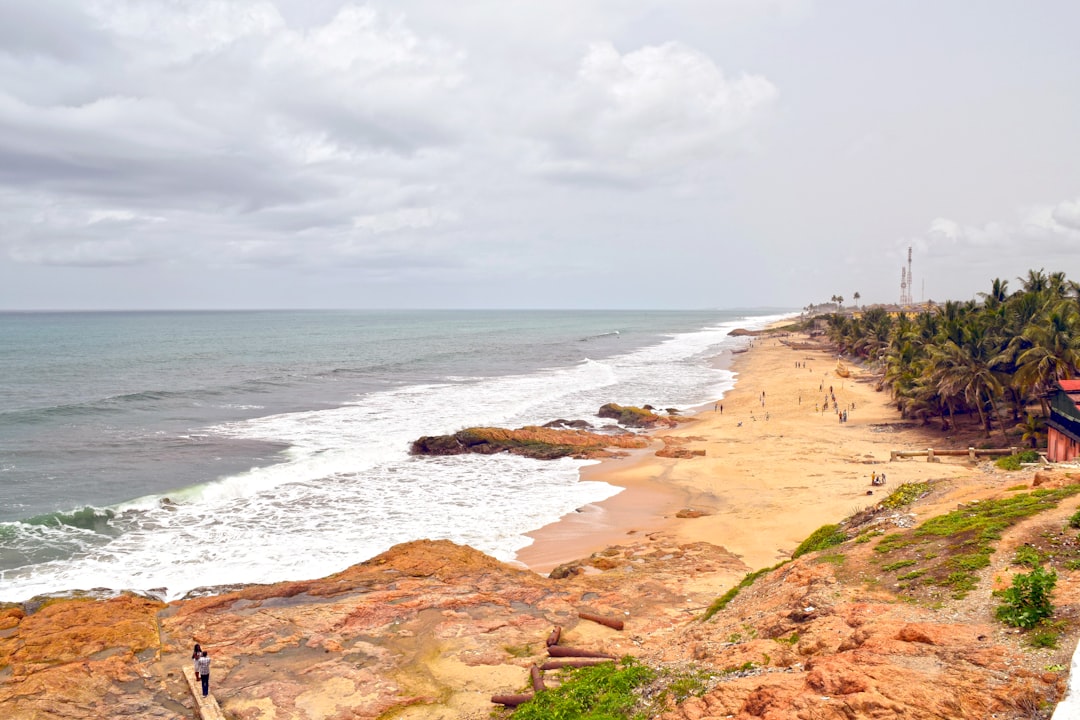
Ghana’s most emotionally significant destinations. Cape Coast Castle — a UNESCO World Heritage Site — is where enslaved Africans departed through the Door of No Return. Elmina Castle, 15km west, is older (built 1482) and equally powerful. Allow 2–3 hours at each. At sunset, stand at Elmina Harbor and watch the fishing boats return. It is the most moving 30 minutes you will spend in Ghana.
Kakum National Park
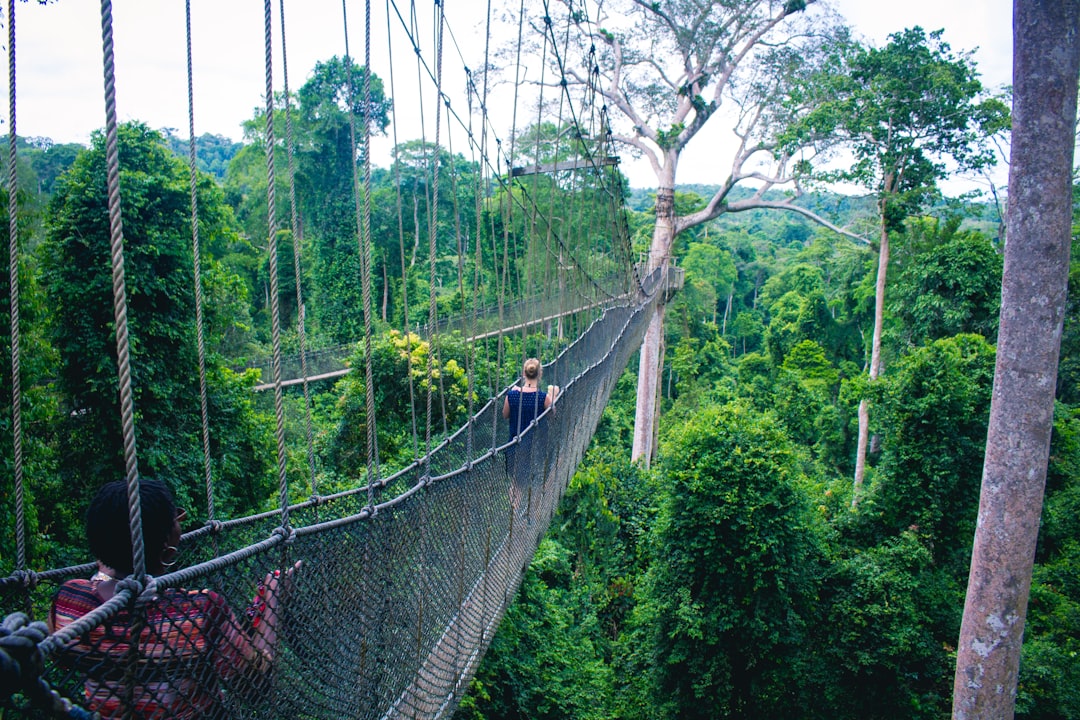
Kakum is 360 square kilometres of tropical rainforest, 33km north of Cape Coast. The 333-metre canopy walkway — suspended 30 metres above the forest floor — offers an experience of the rainforest found almost nowhere else in West Africa. Over 400 bird species, forest elephants, Diana monkeys. Book the 6am dawn walk in dry season for the best birdwatching.
Kumasi and the Ashanti Region
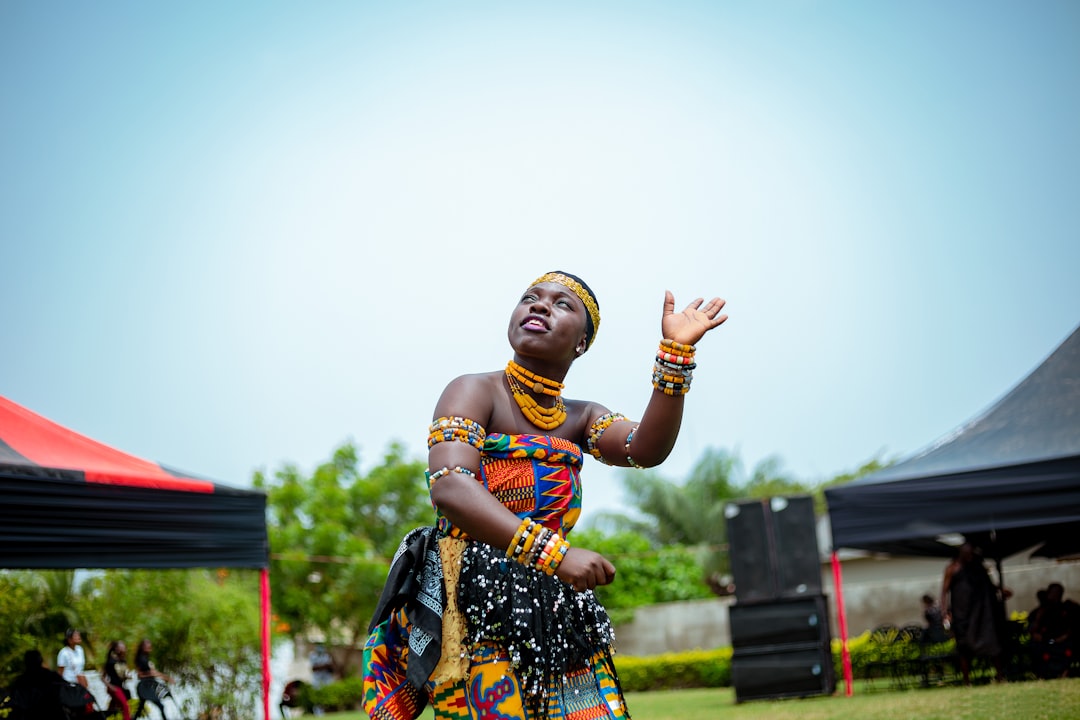
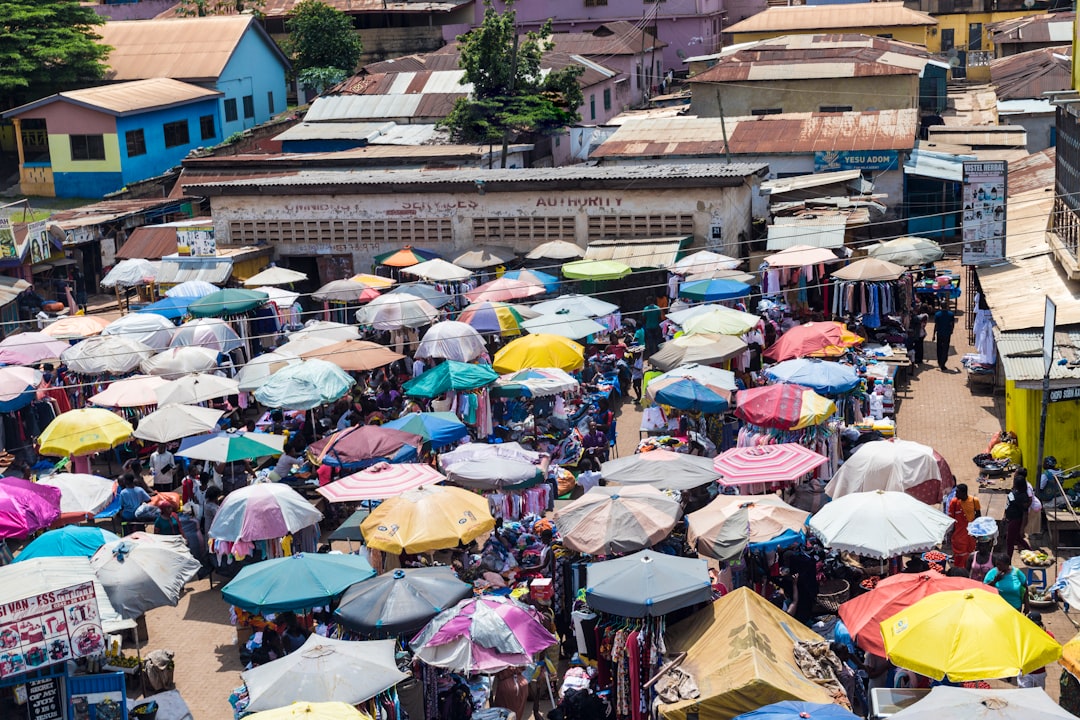
Ghana’s cultural heartland. Kumasi Central Market is one of the largest open-air markets in West Africa. The Manhyia Palace Museum tells the story of the Ashanti Empire. The Kente weaving village of Bonwire (20 minutes from Kumasi) is where Ghana’s most iconic textile has been made for centuries. The Golden Stool — the sacred soul of the Ashanti nation — is kept in Kumasi.
Volta Region
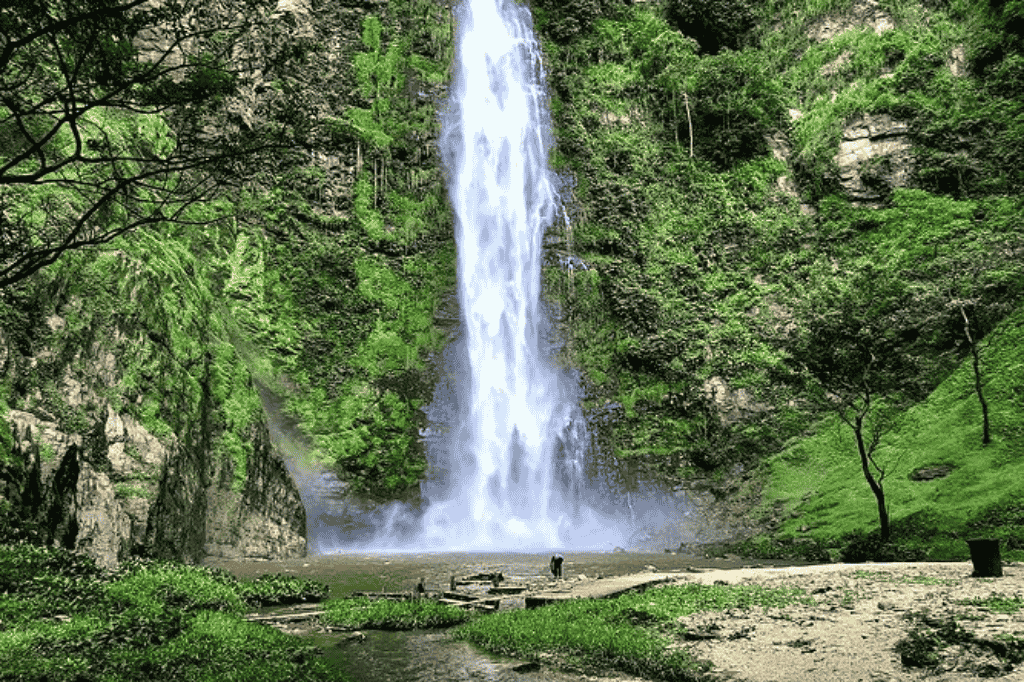
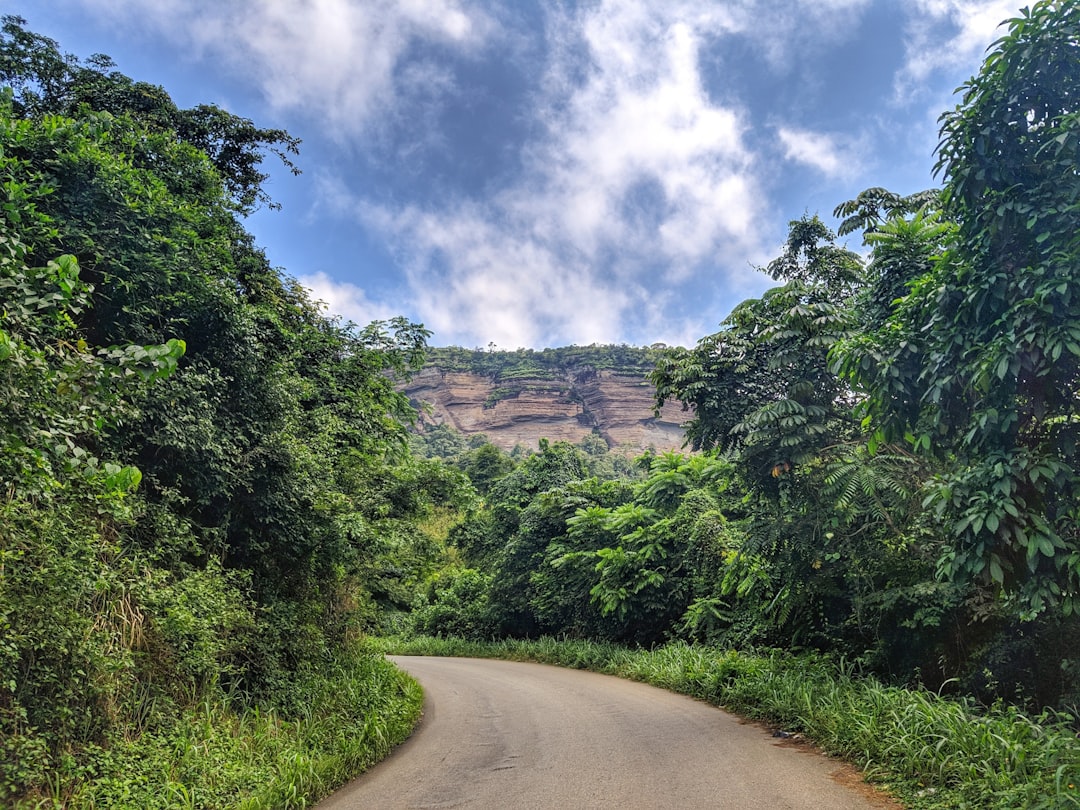
Ghana’s most scenic landscape. Wli Falls — the tallest waterfall in West Africa — requires a 45-minute hike through forest to reach. Tafi Atome Monkey Sanctuary lets you walk among mona monkeys that have been protected by the village for centuries. Hohoe and the hill towns offer cool temperatures and green views that feel completely different from coastal Ghana.
Mole National Park
Ghana’s largest wildlife reserve (4,840 sq km) in the north. Elephants, warthogs, baboons, hippos, and over 300 bird species. Walking safaris with armed rangers start at dawn — you walk within metres of elephants on foot. The adjacent Larabanga Mosque (believed to be one of the oldest mosques in West Africa, ~13th century) is a short detour. Fly from Accra to Tamale, then drive 1.5 hours.
Busua Beach
Ghana’s finest beach — a wide, clean, palm-lined stretch of Atlantic coast near Takoradi, about 4 hours from Accra. Lower key than Accra’s beaches, with better water quality and a genuine surf break. Busua Inn and African Rainbow are the best accommodation options.
Ghanaian Food Guide
Ghanaian food is one of West Africa’s finest — and one of its most underrated internationally. Here is what to eat:
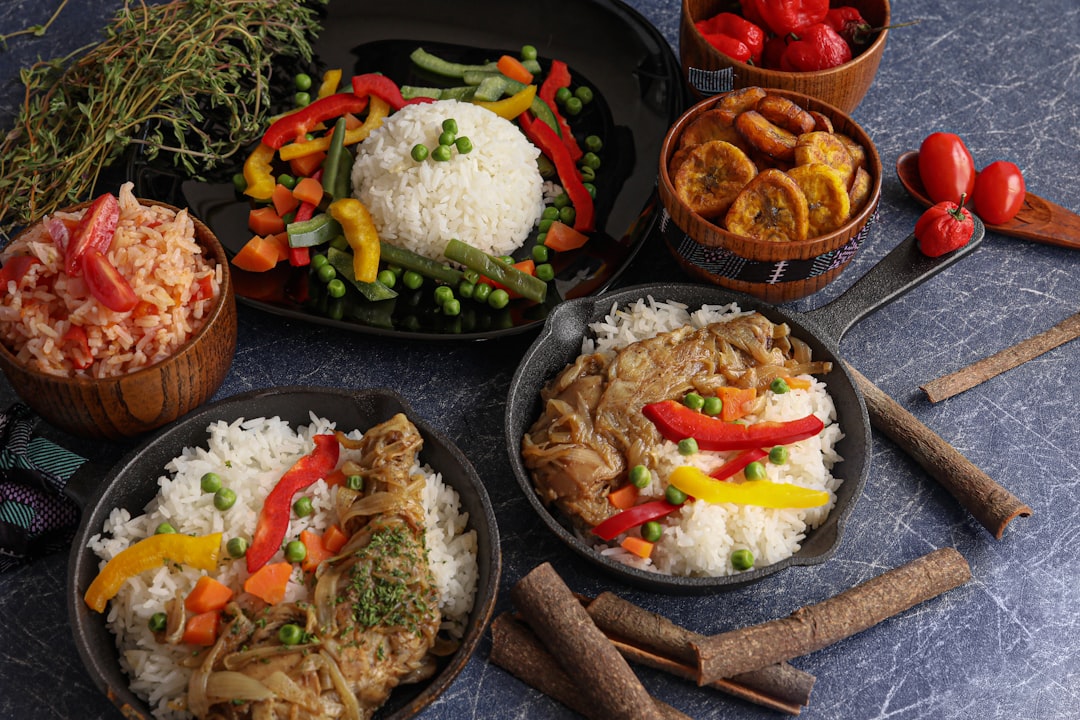
- Jollof rice: Ghana’s is cooked in a rich tomato-pepper base, often over open fire for a smoky finish. Served with chicken, fish, or goat. The Ghana vs. Nigeria jollof debate is West Africa’s most contested cultural argument. Form your own opinion.
- Waakye: Rice and black-eyed peas cooked with dried sorghum leaves, served with a bewildering array of accompaniments (gari, spaghetti, plantain, eggs, fried fish, shito pepper sauce). The definitive Accra breakfast — order it from a street stall before 10am.
- Fufu with light soup: Pounded cassava and plantain in palm-nut or groundnut broth, with chicken, goat, or fish. Eaten with your right hand. The soup is deeply restorative.
- Banku with tilapia: Fermented corn dough served with whole grilled tilapia and shito or pepper sauce. At its best from a beach chop bar in Cape Coast or Elmina — eat it at a plastic table 10 metres from the ocean.
- Kelewele: Spiced ripe plantain, fried until caramelized. Sold from roadside stalls after dark. Each vendor has their own spice blend (ginger, chili, cloves, anise). Addictive.
- Kontomire stew: Cocoyam leaves stewed with fish, palm oil, and garden eggs. A staple of Ghanaian home cooking — order it if you see it on a menu.
- Koose and bofrot: Street breakfast snacks. Koose are spiced black-eyed pea fritters; bofrot are Ghanaian donuts, lightly sweet and pillowy. Eaten warm from the vendor.
Where to eat in Accra: For street food, anywhere with a queue. For sit-down local food, Azmera Restaurant and Accra Chop Bar in Osu. For upscale Ghanaian cuisine, Nourish Restaurant. For international: The View Bar and Grill, Santoku (Japanese), Haco Restaurant. Budget for local meals: $3–8. Mid-range restaurant: $15–35.
“Ghanaian cuisine is one of West Africa’s finest — and one of its most underrated internationally. Once you’ve had banku with tilapia by the ocean, you’ll understand why people come back.”
— Akwaaba Travel Team
Related: Explore Ghana with Amira
Ghana Safety Guide
Ghana is among the safest countries in West Africa and on the African continent. The US State Department assigns Ghana a Level 1 advisory (Exercise Normal Precautions) for most regions — its safest rating. The UK FCDO advises normal precautions for all major tourist destinations including Accra, Cape Coast, Kumasi, and the Volta Region.
Main risks for tourists:
- Petty theft in crowded areas (Makola Market, Accra central, bus stations). Keep valuables secure and don’t display expensive cameras or jewelry unnecessarily.
- Road accidents — Ghana’s leading cause of tourist injury. Avoid night driving outside cities. Use seatbelts. Minibus drivers can be aggressive.
- Scams targeting tourists, particularly in Accra. Use Uber/Bolt instead of unregistered taxis. Agree prices before services if not using a metered/app-based service.
Areas requiring caution: The Upper West and Upper East regions within 20km of the Burkina Faso border carry a Level 2 advisory from the US State Department due to regional instability. Most tourist itineraries do not include these areas. All other major destinations are Level 1.
Health: Malaria is present in all regions — take prophylaxis prescribed by your doctor. Drink bottled or treated water only. Medical facilities in Accra are adequate for most issues; serious conditions may require medical evacuation.
→ Full Ghana safety guide with region-by-region breakdown
Ghana Budget Guide
Ghana offers good value at every budget level:
Budget traveler ($60–100/day): Guesthouse accommodation ($30–50/night), street food and local restaurants ($3–8/meal), tro-tros for transport, self-organized visits to sites. Feasible and rewarding — but requires more planning and flexibility.
Mid-range ($150–300/day): Mid-range hotel ($80–150/night), restaurant meals ($15–25), Uber for transport, guided day trips. The most comfortable experience for most first-time visitors. Akwaaba’s Ghana tour packages are built for this bracket.
Luxury ($400+/day): Kempinski or Marriott, private guide and driver, fine dining, premium experiences. Genuinely world-class service is available in Accra.
Key costs to budget for:
- Ghana e-visa: $60–150 depending on nationality and type
- Yellow fever vaccination: $150–300 (if not already vaccinated)
- Malaria prophylaxis: $30–80 for a 2-week course
- Cape Coast Castle entrance: ~$15
- Kakum National Park canopy walk: ~$12
- Accra–Cape Coast return taxi/hire: $80–120
- SIM card (MTN Ghana): ~$2 + data top-up
Essential Ghana Packing List
- Yellow fever certificate — the original physical card. Non-negotiable.
- Power adapter — Ghana uses Type G (3 rectangular pins, same as UK). Voltage: 230V.
- DEET insect repellent (30%+) — for malaria mosquito prevention, especially at dawn and dusk.
- Sunscreen SPF 50+ — Ghana is 5–10° north of the equator. The sun is intense year-round.
- Lightweight breathable clothing — natural fibres (cotton, linen) are best. Modest dress outside Accra tourist areas: cover shoulders and knees for religious sites and rural communities.
- Cash (USD or GBP to exchange) — exchange at licensed forex bureaus in Accra for better rates than banks. Carry cedi for local purchases; some places accept USD.
- Offline maps — download Accra, Cape Coast, and Kumasi on Google Maps before departure.
- Portable charger — power cuts (load shedding, locally called “dumsor”) occur occasionally outside major hotels.
- Any prescription medication — basic supplies are available in Accra pharmacies but specific medications may not be.
- Headtorch — useful for guesthouses and rural areas during power outages.
Ghana Travel FAQ
Do I need a visa to visit Ghana?
Most nationalities (US, UK, Canada, EU, Australia) require an e-visa applied for at gisonline.gov.gh before arrival. ECOWAS nationals can enter without a visa. Process takes 5–7 business days; apply at least 2 weeks out.
Is Ghana safe for solo female travelers?
Generally yes. Accra and tourist destinations have low violent crime rates. Standard precautions apply: use Uber/Bolt rather than unregistered taxis, avoid walking alone late at night in unfamiliar areas, dress modestly outside the city. Many solo female travelers report Ghana as one of Africa’s most welcoming destinations.
What language do people speak in Ghana?
English is the official language and is spoken widely across all cities and tourist areas. Local languages include Twi (most widely spoken), Ga, Ewe, Hausa, and Fante. Learning a few Twi phrases — Akwaaba (welcome), Medaase (thank you), Eti sen (how are you) — will delight locals and open conversations.
What currency does Ghana use?
The Ghana Cedi (GHS). As of 2026, approximately 15–16 GHS = 1 USD. Exchange at licensed forex bureaus (not airport counters). ATMs accept Visa and Mastercard in Accra and major cities. Carry cash for rural areas, markets, and street vendors.
Can I drink the tap water in Ghana?
No. Drink sealed bottled water. Sachet water (sold everywhere) is locally safe for most people but can cause upset stomachs in travelers with sensitive digestion. Stick to bottles from major brands (Ice Pack, Eva) when in doubt.
What is the time zone in Ghana?
Ghana operates on GMT (Greenwich Mean Time) year-round with no daylight saving time. Same time as London in winter; 1 hour behind London in summer.
How many days do I need in Ghana?
7 days minimum for a meaningful experience: 2–3 days in Accra, 1–2 days on the Cape Coast circuit (Cape Coast Castle + Kakum + Elmina), 1–2 days in Kumasi. For a deeper trip including the Volta Region, Mole National Park, or beach time: 12–14 days is ideal.
Is Uber available in Ghana?
Yes. Uber and Bolt both operate in Accra with good coverage. They are the recommended way to get around the city. Bolt is often cheaper. Surge pricing applies during major event nights in Detty December season.
What should I tip in Ghana?
Tipping is appreciated but not mandatory. Restaurant tip: 10% if service is good. Tour guides: $10–20/day. Hotel staff: $2–5 for exceptional service. Taxi/Uber drivers do not expect tips but appreciate them. At chop bars and street food stalls, tipping is not customary.
What is the best way to get a SIM card in Ghana?
Buy an MTN Ghana or AirtelTigo SIM at the airport arrivals hall or any licensed dealer in Accra (show your passport). Top up data at any corner shop or phone kiosk. A 7-day data bundle of 20GB costs approximately 50 GHS (~$3). MTN has the widest coverage outside Accra.
Plan Your Ghana Trip with Akwaaba
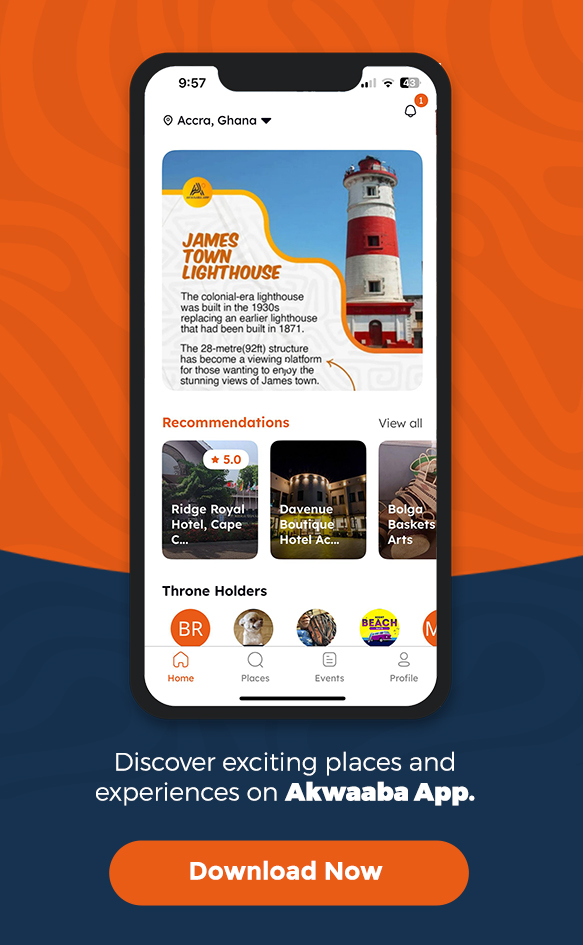
Akwaaba App is Ghana’s dedicated travel platform — built by the diaspora, for diaspora travelers and first-time visitors who want to experience Ghana properly.
Start with our AI Ghana Trip Planner — answer a few questions and get a custom itinerary in under 60 seconds. Or browse our curated Ghana tour packages, starting from $499 for a fully guided 7-day experience with accommodation, transport, and entry fees included.
Ghana does not just wait to be visited. It insists on being felt. The only question is when you are going.
Plan Your Ghana Trip
Plan your Ghana trip
Don’t just read about it. Go.
Akwaaba plans and books Ghana trips for diaspora travelers. Free AI itinerary in 60 seconds — or WhatsApp our team to get a custom quote today.

Akosua Adoma is Akwaaba’s Marketing Manager and Ghana travel specialist. She has spent years exploring Ghana’s most iconic destinations — from the Cape Coast dungeons to the canopy walkways of Kakum — and helping diaspora travelers reconnect with the continent. She oversees Akwaaba’s content strategy, community partnerships, and brand storytelling.
REAL TRIPS · REAL PEOPLE
See What Ghana Actually Looks Like
From our travelers’ feeds — unfiltered Ghana experiences