50 Best Things to Do in Ghana in 2026 — The Ultimate Activity Guide
Ghana packs more into one country than most people expect.
In a single trip you can stand inside a 15th-century slave castle and feel the full weight of what happened there. Dance until 4am at an Afrobeats festival. Hike to a waterfall hidden deep in forest. Eat the best jollof rice of your life from a street cart in Accra. Watch a king parade through his royal court in full gold and kente. Surf the Atlantic at a beach so quiet you’ll have the waves to yourself.
This guide covers the 50 best things to do in Ghana in 2026 — organised by category and region, with prices, practical tips, and links to book through Akwaaba App.
Whether you’re planning your first trip or your fifth, this list will give you more Ghana than you can fit in one visit.
Book Ghana experiences, tours, and all-inclusive packages through Akwaaba App — Ghana’s #1 travel platform.
EVERYTHING HANDLED FOR YOU
Akwaaba Covers the Full Trip — Not Just the Tour
Quick Navigation
- Things to Do in Accra
- History & Heritage
- Nature, Beaches & Adventure
- Culture & Arts
- Food & Drink
- Things to Do in Cape Coast
- Things to Do in Kumasi
- Things to Do in Volta Region
- Family-Friendly Activities
- Nightlife & Events
Planning a trip to Ghana?
Akwaaba handles the details — flights, accommodation, transfers, and experiences. Free 30-minute call.
Related: hiking Mount Afadjato, Ghana’s tallest mountain
Related: the stunning Kintampo Waterfalls

Things to Do in Accra
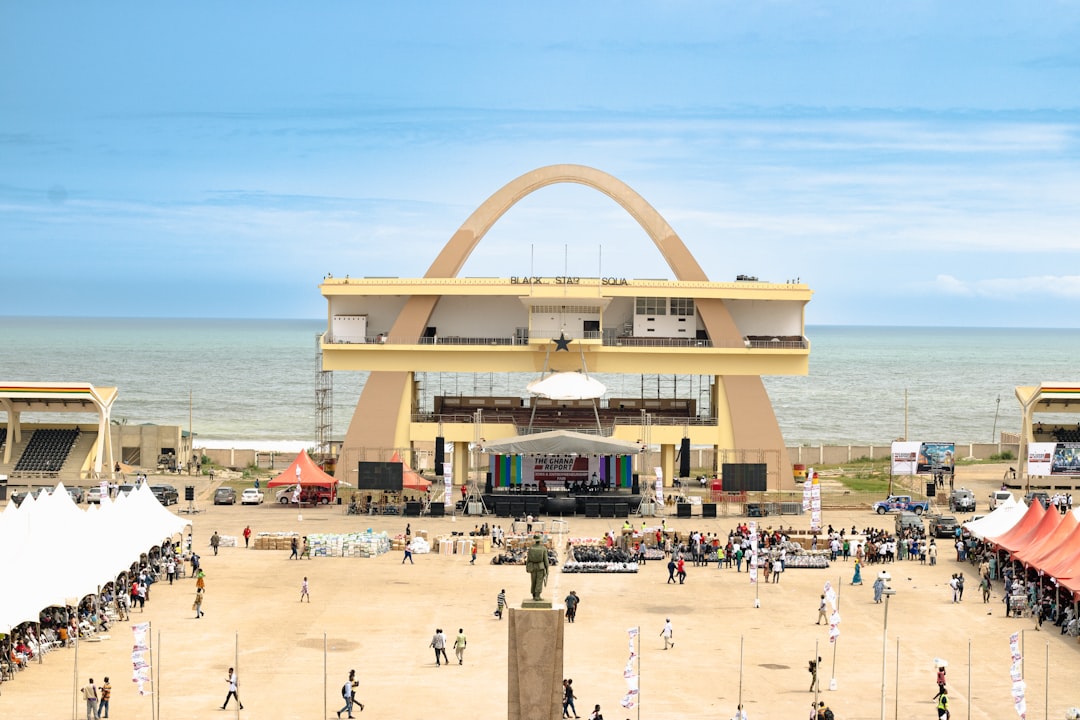
Accra is one of Africa’s most relentlessly alive capital cities — chaotic in the best way, creative, always moving. Start here.
Related: browse Ghana tour packages
1. Walk Osu Oxford Street
Accra’s most famous strip — a kilometre of restaurants, bars, shops, street food, and people watching people. The city’s social pulse. Free to walk; budget GHS 50–200 for food and drinks. Come in the evening when things properly kick off, and get the kelewele (spiced fried plantain) from the roadside vendors before it sells out.
2. Explore Jamestown
Accra’s oldest neighbourhood — a dense, fascinating district of colonial-era lighthouse, fishing boats, boxing gyms, and buildings that have been standing since before independence. Raw, real, unmissable. Free to walk; GHS 20 to climb the lighthouse. Best between 10am–1pm when the fishing harbour is active. Hire a local guide through Akwaaba App — Jamestown has layers that you won’t see on your own.
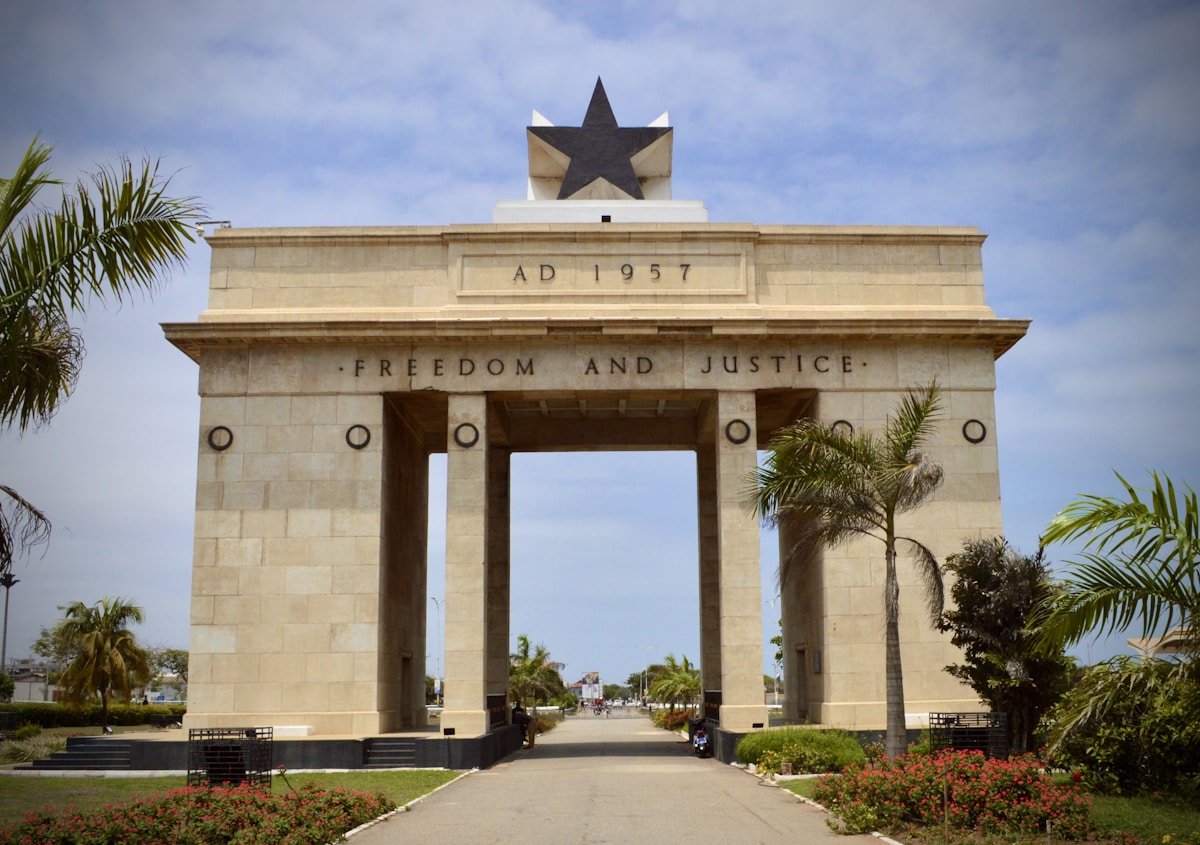
3. Visit the Kwame Nkrumah Memorial Park & Mausoleum
The tomb and museum of Ghana’s founding president, set in a landscaped park in central Accra. Essential context for understanding modern Ghana — who built it, what he believed, and why it still matters. GHS 10 (adults). Open Tuesday–Sunday, 9am–5pm.
4. Shop at Makola Market
Accra’s largest market — fabric, spices, electronics, produce, and everything else you didn’t know you needed. One of the most genuinely unfiltered urban markets in West Africa. Free to browse; bargaining expected for purchases. Weekday mornings are best. Keep your belongings secure and leave large bags at your hotel.
5. Visit the National Museum of Ghana
Ghana’s principal national museum with permanent collections covering Ghanaian history, traditional regalia, archaeological finds, and cultural artefacts from across the country. GHS 10–20. Open Tuesday–Sunday, 9am–5pm.
6. Catch a Live Show at +233 Jazz & Blues Bar
Accra’s best live music venue — regular gigs featuring highlife, jazz, Afrobeats fusion, and spoken word. Intimate, unpretentious, genuinely excellent. GHS 50–100 cover charge on live nights. Check their Instagram for what’s on this week.
7. Visit the W.E.B. Du Bois Centre
The home and final resting place of W.E.B. Du Bois, who emigrated to Ghana in 1961 and died here in 1963. A profound stop for African American visitors and anyone interested in the Pan-African movement. GHS 20, in Ridge, Accra.
8. Spend a Morning at Labadi Beach
Accra’s most popular beach — wide, social, and properly buzzing on weekends with DJs, beach football, and vendors. Entry GHS 10–20. Saturday morning for the full scene; weekday for something quieter. Either way, go early before the sun gets brutal.
For 30 more Accra-specific activities: Things to Do in Accra 2026 — The Complete Guide →
History & Heritage
Ghana’s history runs deep. From ancient kingdoms to the Transatlantic slave trade to independence, every major site tells a story that reshapes how you see the world.
9. Tour Cape Coast Castle
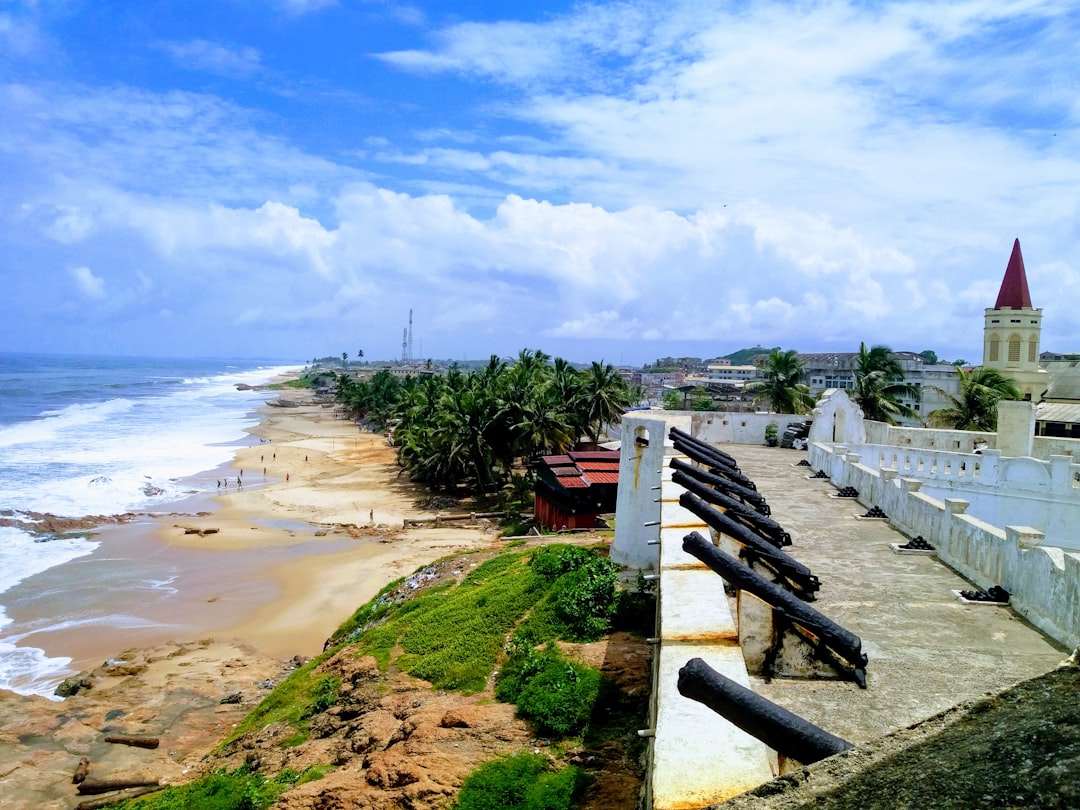
One of the most important historic sites anywhere on earth. This 17th-century slave castle held enslaved Africans in its dungeons before they were shipped across the Atlantic. Walking through the Door of No Return is one of the most emotionally powerful things you can do in travel — full stop. GHS 80 (adults, including guided tour). Open daily, 9am–5pm. Do not skip the guided tour. The history needs to be heard, not just seen.
Full guide: Things to Do in Cape Coast →
10. Visit Elmina Castle
The oldest European building in sub-Saharan Africa, built by the Portuguese in 1482. Elmina predates Cape Coast by nearly 200 years and has its own distinct and disturbing history. GHS 80 (adults). Open daily, 9am–5pm. You can visit both Cape Coast and Elmina on the same day — they’re 15 minutes apart by road.
11. Explore the Ashanti Royal Palace, Kumasi
Manhyia Palace is the seat of the Asantehene (Ashanti King) and home to a museum that walks you through Ashanti royal history, succession ceremonies, and the story of the Golden Stool. GHS 50 (museum). Open Monday–Saturday, 9am–5pm.
Full guide: Things to Do in Kumasi →
12. See the Larabanga Mosque
One of the oldest mosques in West Africa — believed to date to the 13th or 15th century — built in the Sudanese-Sahelian style near Mole National Park in northern Ghana. Free, with donations welcome. Combine it with a Mole National Park safari (see #25).
13. Visit the Slave River in Ada
A sobering site near Ada Foah where enslaved people were held before being shipped across the Atlantic. Far less visited than the coastal castles but carries its own weight. About 1.5 hours east of Accra.
14. Attend an Akwasidae Ceremony
Every 42 days, the Asantehene holds court at Manhyia Palace in Kumasi. Chiefs from across the Ashanti kingdom arrive in full procession — golden regalia, fontomfrom drums, ceremonial umbrellas. Visitors are welcomed. Free. Dates follow the Akan calendar — check with Akwaaba App for the next one before you plan your trip.

Nature, Beaches & Adventure
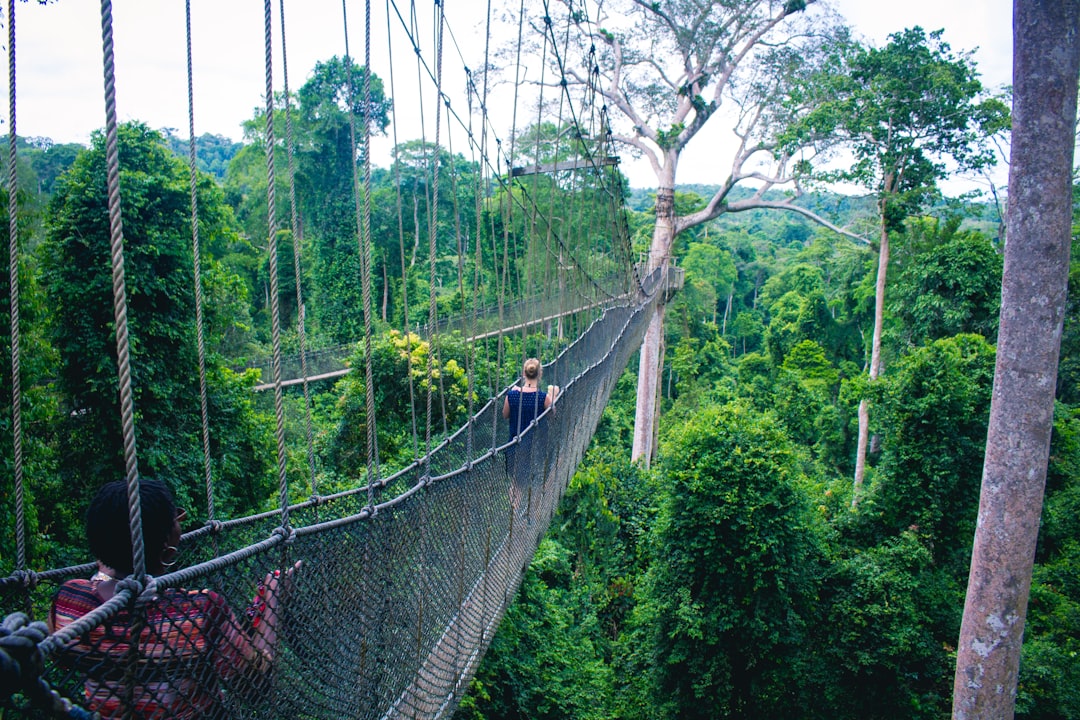
15. Walk the Kakum National Park Canopy Walk
Seven platforms connected by rope bridges suspended 30 metres above one of West Africa’s last remaining rainforest canopies. The canopy walk is genuinely thrilling — and the forest below it is worth the visit alone. GHS 100–150 (adults). Open daily, 7am–5pm (canopy walk closes at 3pm). 30 minutes north of Cape Coast; 3.5 hours from Accra.
16. Hike to Wli Waterfalls (Volta Region)
The highest waterfall in West Africa — a 60-metre cascade reached by a 45-minute hike through Volta Region forest. You can swim at the base. GHS 30–50 (guide plus entry). Water levels are highest June–October. Near Hohoe, about 4 hours from Accra.
Full guide: Things to Do in Volta Region →
17. Swim at Busua Beach
Ghana’s best surf beach — laid-back, clean, and far less crowded than Labadi. No entry fee; budget GHS 200–300 for accommodation per night. 3.5 hours from Accra near Takoradi in the Western Region. Busua Beach Inn does excellent fresh fish and cold beer.
18. Take a Boat on Lake Volta
Lake Volta is the world’s largest man-made lake by surface area. Boat trips across its vast, calm waters — past fishing villages and forested islands — are peaceful and completely off the tourist trail. Access from Akosombo (2 hours from Accra) or Dodi Island near Ho.
19. Surf at Busua
Ghana has a small but committed surf scene based at Busua Beach, with lessons available from local instructors for beginners. GHS 150–200 for a beginner lesson including board rental.
20. Visit Boti Falls
Twin waterfalls in the Eastern Region, about 2 hours from Accra — a short hike through forest, a rock formation locals call “The Umbrella Rock,” and a story behind it that every guide will tell you differently. GHS 20 entry. Near Koforidua.
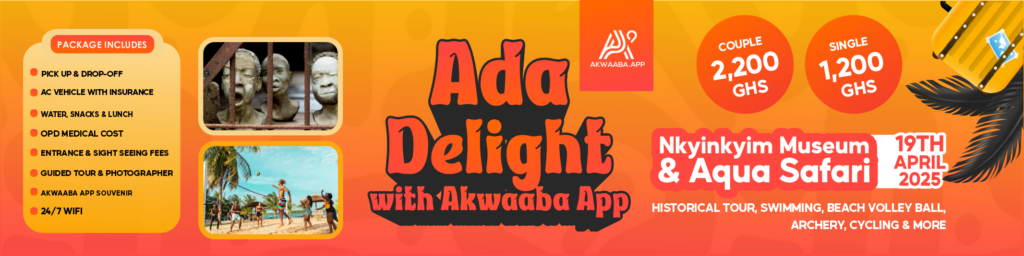
21. Explore Ada Foah
Where the Volta River meets the Atlantic — white sandbars, calm lagoon water, kayaking, boat trips, jet skiing. Day trips from Accra from GHS 200 transport. For a weekend, Manet Paradise Resort and Cocoloko are both excellent options.
22. Hike in Tafi Atome Monkey Sanctuary
A community-run forest sanctuary where sacred Mona monkeys live alongside the village — completely unafraid of humans and happy to eat from your hand. GHS 30–40. In the Volta Region near Hohoe; pairs well with Wli Waterfalls in a single day.
23. Visit Bobiri Butterfly Sanctuary
A forest reserve near Kumasi with over 400 butterfly species and serious birdwatching. GHS 30. 30 minutes east of Kumasi — easy half-day.
24. Sunset Cruise on the Volta
Evening boat cruises from Akosombo or Ada Foah, watching the sun drop over the lake or estuary. Book through Akwaaba App experiences. From GHS 200 per person.
25. Go on Safari at Mole National Park
Ghana’s largest national park, up north — elephants, hippos, buffalos, baboons, warthogs, and 344 bird species recorded. Game drives and walking safaris available. Entry GHS 60–80; game drives GHS 150–200. Mole is 600km from Accra — fly to Tamale, then 1.5 hours by road. Mole Motel overlooks a waterhole where elephants come at dusk; book well ahead.
Culture & Arts
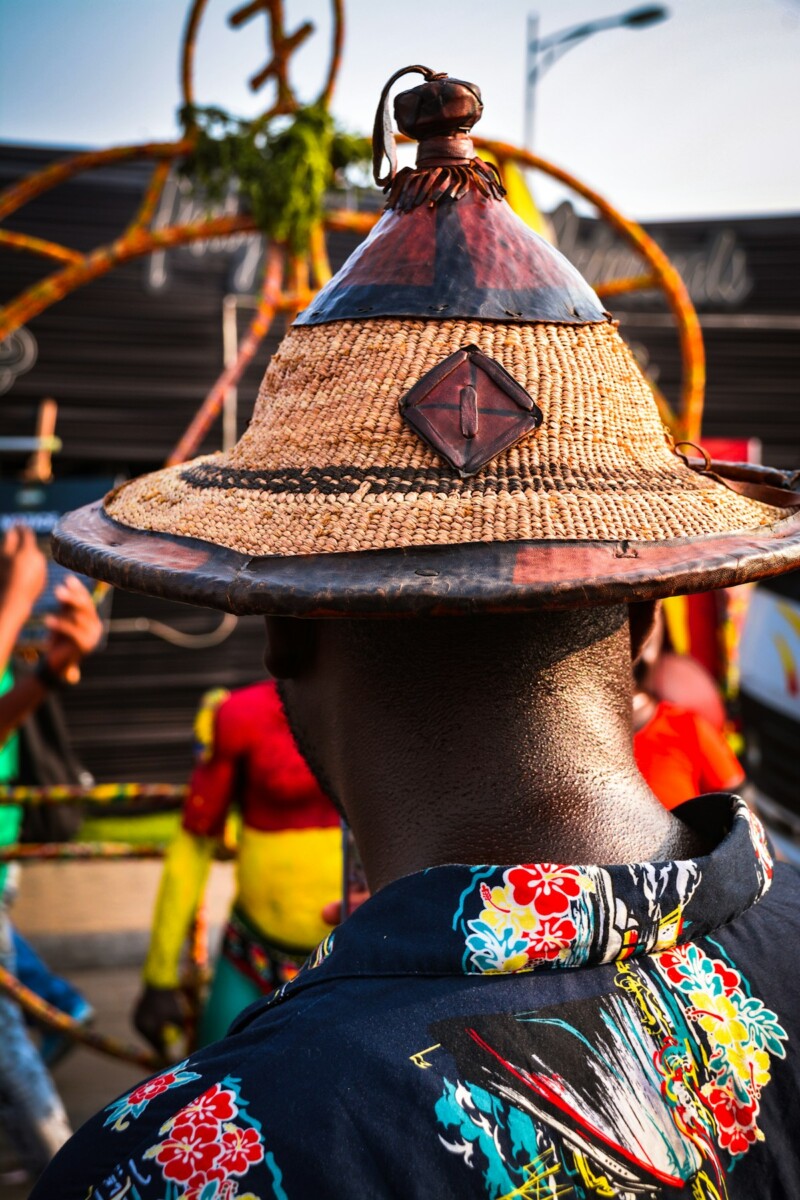
26. Visit the Kente Weavers in Bonwire
Watch master weavers create kente cloth on traditional strip looms in the village that essentially gave kente to the world. A craft passed down through generations — and still done the same way. Free to watch; kente purchases from GHS 100 (strips) to GHS 2,000+ (full cloth). 30 minutes from Kumasi.
27. Take an African Drumming Class
Learn djembe or fontomfrom (Ashanti royal drums) from a master drummer in Accra or Kumasi. Available as 1-hour or half-day experiences. From GHS 100 per person. Book through Akwaaba App.
28. Attend a Ghanaian Church Service
Ghana’s charismatic Pentecostal services are extraordinary. Powerful singing, people dancing in the aisles, full traditional dress, and genuine community warmth extended to respectful visitors. Free; dress modestly.
29. Explore Arts Centre Accra (Centre for National Culture)
Accra’s main crafts and arts market — a maze of stalls selling kente, Adinkra fabric, wood carvings, beaded jewellery, paintings, and traditional crafts from across the country. Free to enter; budget GHS 200–500 if you’re shopping. Near the National Museum in central Accra. Prices are negotiable — start lower than you think reasonable.
30. Visit the Adinkra Village, Ntonso
Ntonso, near Kumasi, is where Adinkra cloth is made — the traditional Ashanti fabric stamped with symbolic patterns using gourd-carved stamps and natural black dye. You can watch the whole process live and buy directly from the people who made it. 20 minutes from Kumasi.
31. See a Highlife Concert
Highlife is Ghana’s own music genre — born in the 1920s from a mix of jazz and traditional sounds, and still very much alive. Live shows happen regularly in Accra and Kumasi, particularly at cultural centres and +233 Jazz. GHS 30–80.
Food & Drink
Related: Ghana Cooking Classes — Learn Jollof & More
Related: Jollof Rice in Ghana 2026 — Where to Eat the Best Ghanaian Jollof
32. Eat Waakye at the Famous Waakye Lady, Accra
Waakye — rice and beans cooked with sorghum leaves, served with stew, spaghetti, and boiled egg — is Ghana’s street food standard. The long queues at the best spots form before 7am and it’s gone by 10. GHS 20–50. Ask a local which stall they go to. Loyalty to one’s waakye seller is genuinely serious around here.
33. Try Fresh Grilled Tilapia at a Chop Bar
Whole tilapia grilled over charcoal, served with banku (fermented corn and cassava dough) and pepper sauce. You’ll find it at roadside chop bars everywhere. GHS 50–80 — some of the best food you’ll eat in Ghana.
34. Visit Accra’s Rooftop Bars at Sunset
Worth a night of your trip, easily. Best options: Bistro 22 in Osu (the trendiest right now), Mahogany Restaurant with views over East Legon, and Labadi Beach Hotel for sea views. GHS 80–200 for drinks.
35. Take a Ghanaian Cooking Class
Learn to make jollof rice, groundnut soup, kelewele, and kontomire stew in a hands-on class with a local chef. From GHS 200 per person. Book through Akwaaba App.
36. Drink Palm Wine in a Village
Fresh-tapped palm wine (nsafufuo in Twi) from a local tapper — sweet, slightly fizzy, served from a calabash. Available in villages across southern Ghana. GHS 5–10. Nothing sets the scene for Ghana quite like it.
Things to Do in Cape Coast
Cape Coast is 3.5 hours west of Accra — a historic coastal city that earns its place on any Ghana itinerary.
37. Cape Coast Castle (see #9 above)
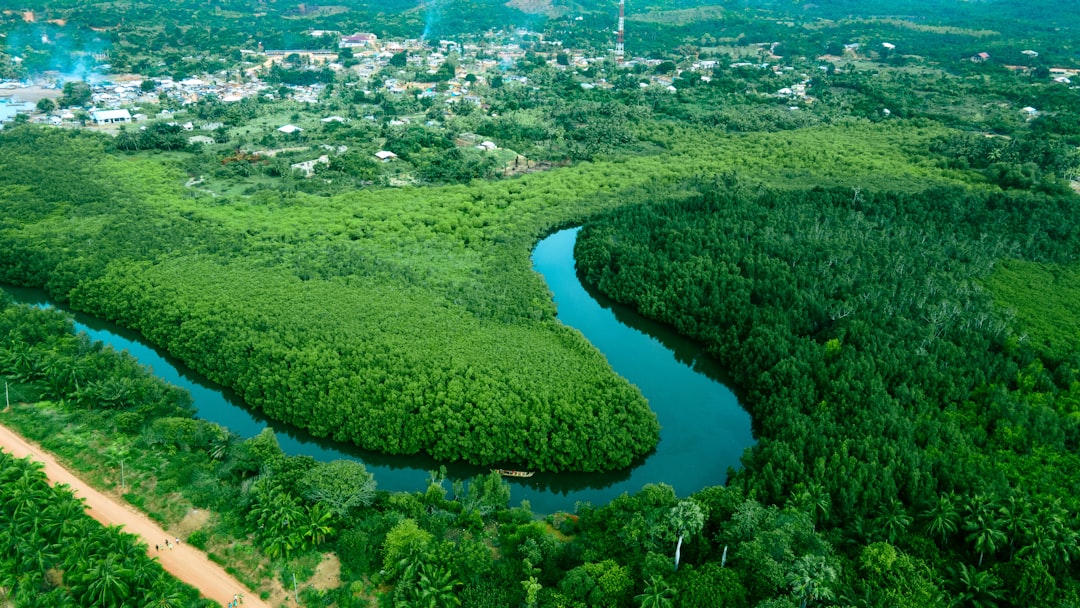
38. Kayak in Cape Coast Lagoon
Guided kayaking through the mangrove lagoons behind Cape Coast — peaceful, surprisingly beautiful, and a complete tonal contrast to the weight of the castle nearby. GHS 100–150 per person.
39. Walk the Cape Coast Market
The city’s busy central market — fresh fish landed that morning from the harbour, produce, fabric, and the texture of daily Ghanaian life at its most unfiltered. Best between 7–10am.
40. Visit Hans Cottage Botel
A hotel and restaurant built on stilts over a crocodile lagoon. The crocodiles are sacred and genuinely approachable — a memorable, slightly surreal experience that nobody quite describes adequately beforehand. GHS 20 entry if not dining; meals from GHS 80. Located between Accra and Cape Coast.
Full guide: Things to Do in Cape Coast — History, Beaches & Hidden Gems →
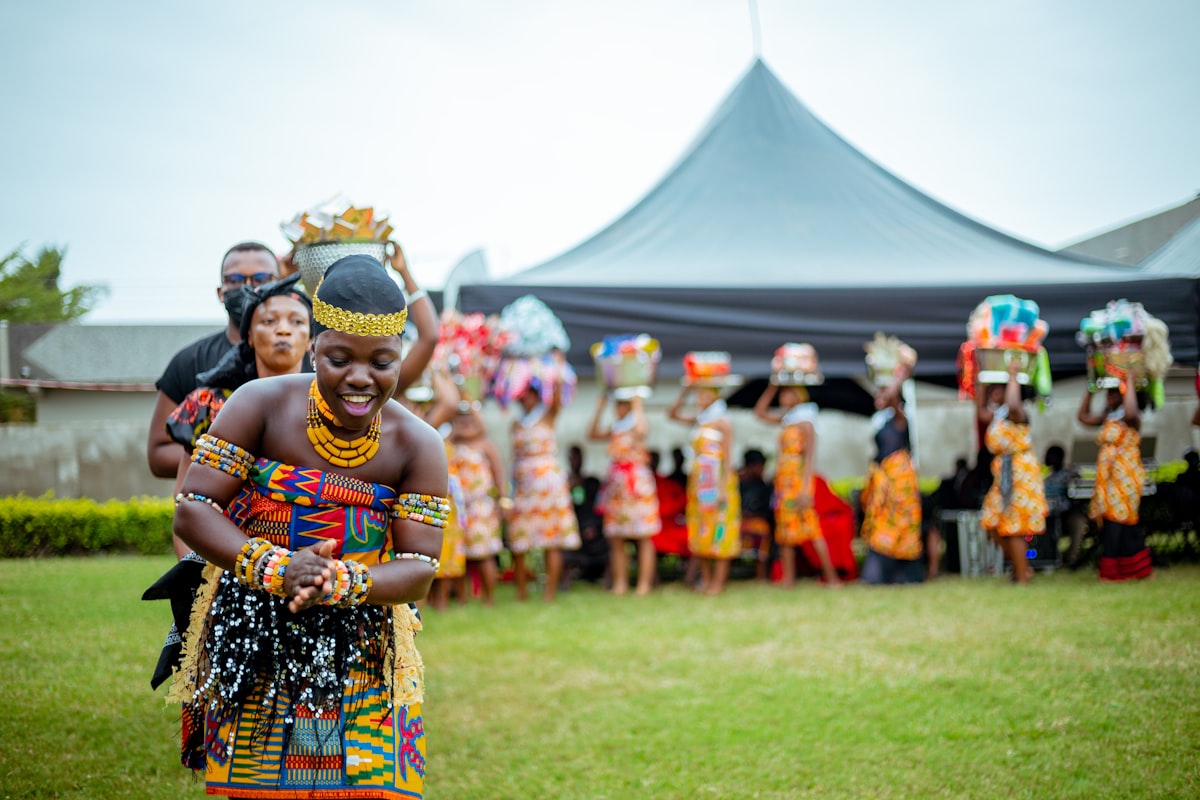
Things to Do in Kumasi
Kumasi is the capital of the Ashanti Region and the cultural heart of Ghana — 4.5 hours north of Accra by road.
41. Kejetia Market (Kumasi Central Market)
One of the largest open-air markets in West Africa — over 12 acres of fabric, kente cloth, secondhand electronics, smoked fish, and everything in between. Go with a guide. It’s very easy to get genuinely lost, and a good local guide unlocks what you’d never find alone.
42. Kumasi Cultural Centre
A large complex with a museum, craft shops, and performance spaces. Less overwhelming than Kejetia — a sensible first stop for getting your bearings in the city. Free entry; purchases optional.
43. Visit Okomfo Anokye Sword Site
The legendary sword of Okomfo Anokye, the Ashanti priest who called down the Golden Stool from the sky. The sword is said to have never been successfully removed from the ground. GHS 10 — and the story is worth every pesewa.
Full guide: Things to Do in Kumasi — The Ashanti Kingdom Experience →
Things to Do in Volta Region
The Volta Region is Ghana’s most scenic area — mountainous, forested, east of Accra, and feeling like a different country entirely.
44. Hike Mount Afadjato
Ghana’s highest peak (885m) with wide views over the Volta Region. A 2-hour hike — steep in sections but completely worth it at the summit. GHS 30–40 (guide required). Near Liati Wote village.
45. Visit Tafi Atome (see #22 above)
46. Explore Hohoe and the Surrounding Villages
The Volta Region’s most practical base — a highland town with decent guesthouses and easy access to waterfalls, mountains, and cultural villages. 4 hours from Accra.
Full guide: Things to Do in Volta Region — Waterfalls, Lakes & Hikes →

Family-Friendly Activities
47. Accra Zoo
Ghana’s national zoo in the grounds of the Accra Sports Stadium — small but popular with families. Lions, crocodiles, baboons, various birds. GHS 20 (adults), GHS 10 (children). Open daily, 9am–5pm.
48. Labadi Beach Water Sports
Jet skiing, banana boat rides, and beach volleyball for hire at Labadi Beach — organised, popular with families, and genuinely fun. GHS 80–150 per activity.
49. Aburi Botanical Gardens
A sprawling botanical garden in the cooler Aburi hills above Accra, established in 1890. Giant trees, quiet paths, and a restaurant with mountain views. One of the best family day trips from the city. GHS 20 (adults), GHS 10 (children). 35 minutes from Accra by taxi or Bolt.
Nightlife & Events
50. Attend a Live Event on events.akwaaba.app
From weekly club nights to Afrobeats concerts to cultural festivals — Ghana’s events calendar is the most active in West Africa. Check events.akwaaba.app to see what’s on during your visit and book tickets directly. Even if nightlife isn’t your thing, catching one live event — even a free beach party or a Chale Wote arts day — tends to be the moment people talk about most when they get home.
Full guide: Events in Ghana 2026 — The Complete Calendar →
How to Book Ghana Activities
Option 1: Through Akwaaba App
Akwaaba App offers curated Ghana experiences including:
– Cultural tours (kente weaving, drumming, cooking classes)
– Day trips from Accra (Cape Coast, Volta Region, Aburi)
– All-inclusive packages (flights + hotel + activities)
– Airport transfers and private drivers
Browse all Ghana experiences →
Option 2: All-Inclusive Packages
If you want everything sorted — flights, hotel, activities, transfers, and events — book an all-inclusive Ghana package through Akwaaba App.
Packages start from:
– Ghana Starter Pack — 2 days in Accra from $499
– Heritage & Culture Tour — 7 days all-inclusive from $999
– Detty December Package — 7 days including events from $3,500
Browse all-inclusive Ghana packages →
Ghana Activities by Budget
| Budget | Best Activities |
|---|---|
| Free | Jamestown walk, Chale Wote Festival, Labadi Beach, Accra Night Market, church service |
| Under $10 | Kakum Canopy Walk, Cape Coast Castle tour, Boti Falls, Accra Zoo |
| $10–$50 | Day trip to Volta Region, surf lesson, cooking class, Mole game drive |
| $50–$200 | Multi-day Cape Coast/Kumasi trip, Mole National Park (including stay), private guided tours |
| $200+ | All-inclusive packages, luxury lodge safari, chartered boat trips |
Frequently Asked Questions
What is Ghana most famous for?
Ghana is famous for its warm people (“akwaaba” means welcome), its role in the history of the Transatlantic slave trade (Cape Coast Castle), Afrobeats music and Detty December, kente cloth, jollof rice, and the Year of Return homecoming movement for the African diaspora.
How many days do you need in Ghana?
A minimum of 7 days to see Accra and Cape Coast. 10–14 days lets you add Kumasi and the Volta Region. A full 21-day trip can cover the North (Mole National Park) and really go deep.
Is Ghana easy to travel around?
Yes, within reason. Accra is easy with Bolt/Uber. Intercity travel is best by private hire or shared minibus (tro-tro). For a stress-free trip, book transport through Akwaaba App. Getting Around Ghana Guide →
What is the best area to stay in Accra?
East Legon, Osu, and Cantonments are the most visitor-friendly neighbourhoods — good restaurants, safe streets, and easy access to clubs and beaches. Ghana Accommodation Guide →
Do I need a visa for Ghana?
Most visitors need a Ghana visa. UK, US, EU, and Canadian citizens apply online via the Ghana Immigration Service portal. Ghana Visa Guide 2026 →
What is the best time to visit Ghana?
November–March (dry season) is most comfortable for travel. December is peak season for events but the most expensive time to come. August has the best cultural festivals. Best Time to Visit Ghana →
Is Ghana safe for tourists?
Yes. Ghana is one of the safest countries in West Africa and has a well-established tourism industry. Standard urban precautions apply. Is Ghana Safe in 2026? →
More Ghana Guides
- Things to Do in Accra 2026 →
- Things to Do in Cape Coast →
- Things to Do in Kumasi →
- Things to Do in Volta Region →
- Best Beaches in Ghana →
- Adventure Activities in Ghana →
- Events in Ghana 2026 →
- All-Inclusive Ghana Packages →
- Ghana Travel Guide 2026 →
Last updated: February 2026
Guide maintained by the Akwaaba App editorial team. All prices in GHS are approximate and subject to change.
Plan Your Ghana Trip →
Browse Ghana Packages →
READY TO MAKE IT REAL?
Talk to a local Ghana expert — free.
30 minutes. No pressure. We’ll build your Ghana trip around what actually matters to you.

Akosua Adoma is Akwaaba’s Marketing Manager and Ghana travel specialist. She has spent years exploring Ghana’s most iconic destinations — from the Cape Coast dungeons to the canopy walkways of Kakum — and helping diaspora travelers reconnect with the continent. She oversees Akwaaba’s content strategy, community partnerships, and brand storytelling.
Visit it — with a guide who knows the way
Don’t just read about it. Akwaaba’s curated, all-inclusive trips bring these places to life with verified local guides, transport, stays and a $50 airport chauffeur pickup.
REAL TRIPS · REAL PEOPLE
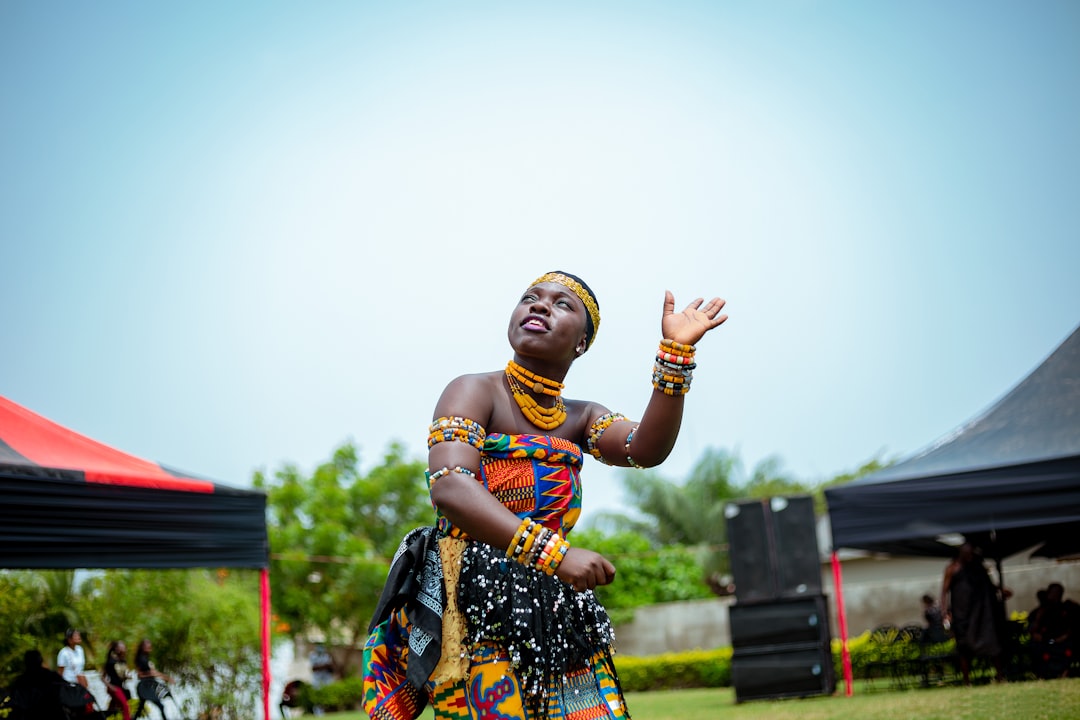
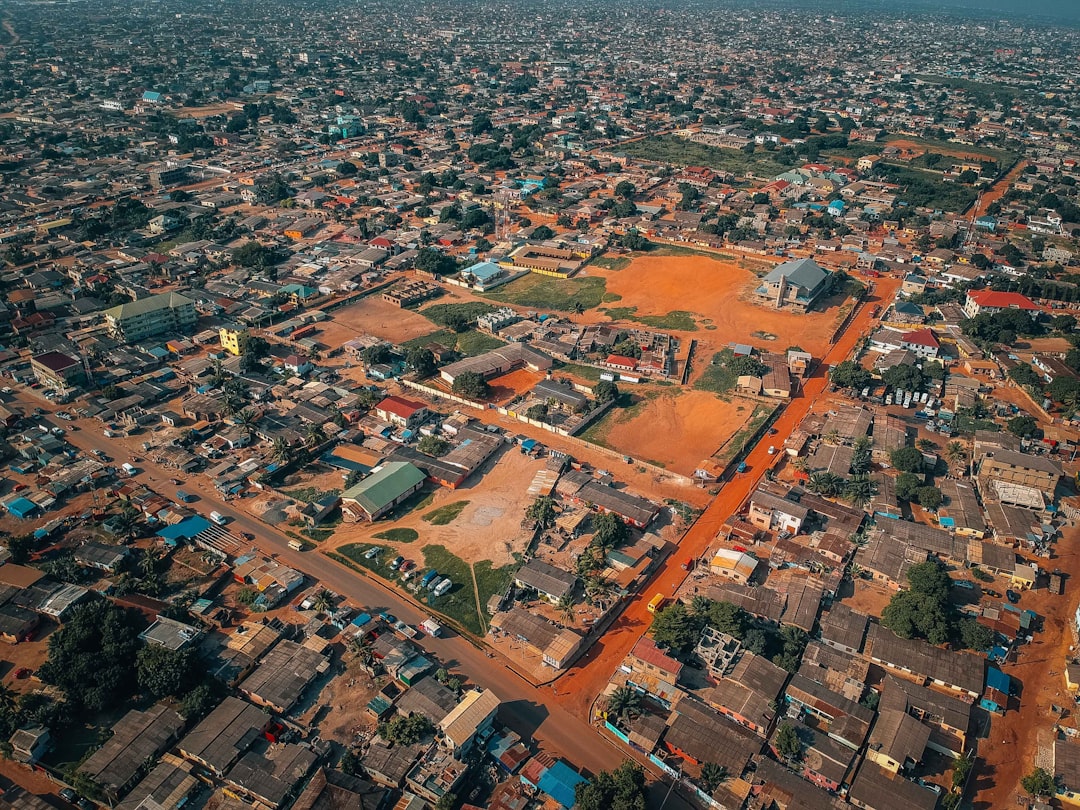
See What Ghana Actually Looks Like
From our travelers’ feeds — unfiltered Ghana experiences
Plan your homecoming
Ready to experience Ghana for real?
Akwaaba handles the whole trip — curated packages, day experiences, and the hottest events. Just $100 reserves your spot, and you can split the balance into easy payments.
Use code AKWAABA for 5% off your first booking · Rated 4.7★ by 140+ travelers