Jollof Rice in Ghana 2026 — Where to Eat the Best Ghanaian Jollof
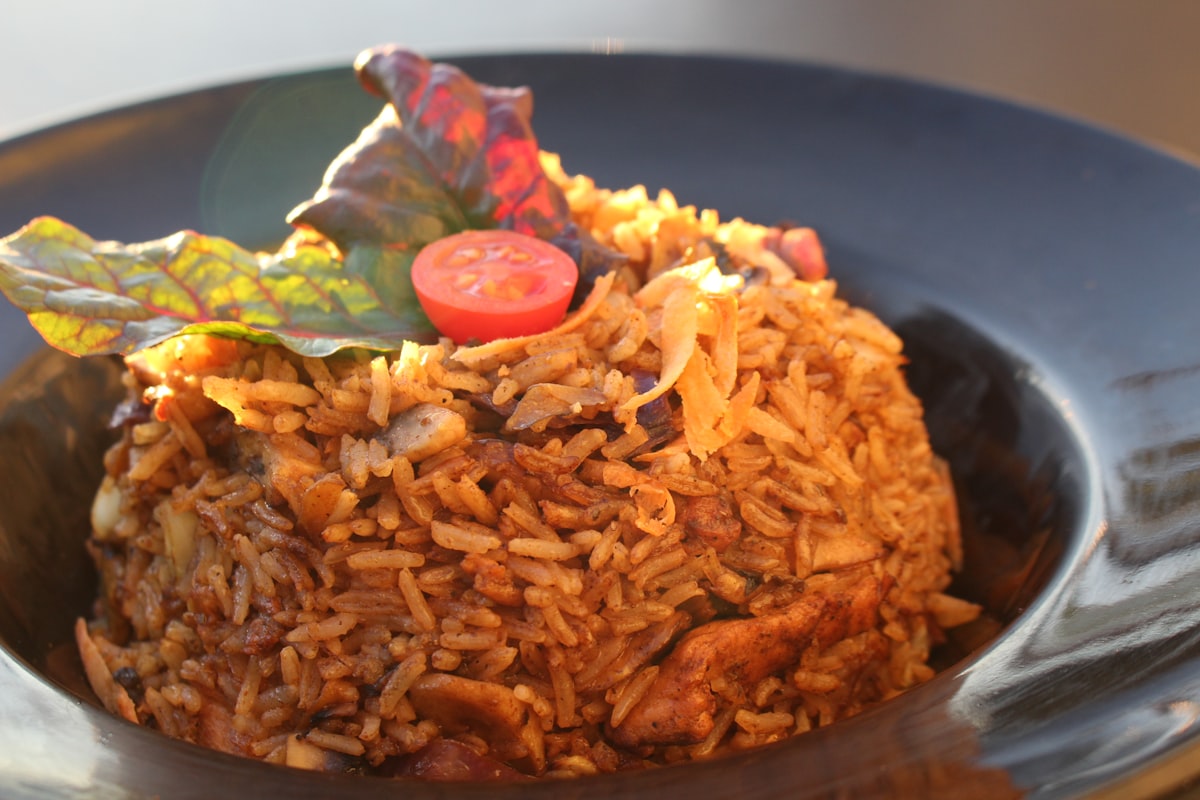
Ghanaian jollof is tomato-forward, smoky, and slightly sweet. The rice grains are stained a deep orange-red, each one separate and firm, and the bottom of the pot — the part everyone fights over — is charred and caramelized into something close to a cracker. That smoky bottom layer is called “the burnt,” and in Ghana, it’s not a mistake. It’s the whole point.
The Great Ghanaian Feast
Plan it, book it, do it — your whole Ghana trip in one app.
If you’re visiting Ghana and eat only one dish, make it jollof. Not from a hotel buffet. From a chop bar, a roadside joint, or a party. This is one of the iconic Ghanaian dishes that defines the country’s food identity. This guide tells you exactly where to find the best, how to order it, and what makes Ghanaian jollof different from every other version in West Africa.
What Makes Ghanaian Jollof Rice Special
Three things separate Ghanaian jollof from the rest.
The tomato base. Ghanaian jollof starts with a blended mix of fresh tomatoes, tomato paste, and onions, cooked down until the water evaporates and the oil floats on top. This process — called “frying the stew” — takes time and patience. It’s what gives the rice its depth. Our complete food guide breaks down how Ghanaian stew-making shapes the country’s entire cuisine.
The smoke. The pot is left on high heat at the end, intentionally, so the bottom layer chars. This isn’t burnt food. This is technique. The smoky flavor travels through the entire pot, and that charred crust at the bottom is served as a delicacy.
The grain. Ghanaian jollof uses long-grain rice (often jasmine or basmati), cooked until each grain is distinct. It’s not sticky, not mushy. The rice absorbs the stew and then dries out slightly, which is why it holds its shape on a plate.
Compared to Nigerian jollof, which tends to use parboiled rice and is often more oily and peppery, Ghanaian jollof is sweeter, smokier, and lighter. Senegalese thiéboudienne, the original ancestor of all jollof, is a different dish entirely — cooked with fish and vegetables in a single pot.
The Ghana vs Nigeria Jollof Debate


This is West Africa’s longest-running argument, and nobody is backing down. Nigerians say theirs is bolder, spicier, more complex. Ghanaians say theirs is more refined, more flavorful, and simply better. The debate fills Twitter threads, family dinners, and international food festivals.
Here is the honest truth: they are different dishes that share a name. Nigerian jollof is peppery and rich. Ghanaian jollof is smoky and tomato-sweet. Comparing them is like comparing New York pizza and Chicago deep dish — technically the same category, practically different foods.
That said, if you’re in Ghana, the answer is Ghana jollof. Don’t start that conversation at a chop bar unless you want a lecture. The cultural pride around jollof runs deep across every ethnic group in the country.
Where to Eat the Best Jollof Rice in Accra
If you’re spending your first 24 hours in Accra, jollof should be meal one. Here’s where to go.
Asanka Local — Osu
The most recommended local food restaurant in Accra for a reason. Located near Papaye in Osu, Asanka serves a tomato-rich jollof with perfectly separated grains. The restaurant is always busy, which means high turnover and fresh pots. Order the jollof with grilled chicken and fried plantain. It’s also on most things to do in Accra lists as a must-visit food stop.
Price: GH₵45–70 per plate with protein.
Buka Restaurant — Osu
Set up to serve Accra’s business crowd, Buka delivers a slightly upscale take on jollof without losing the authenticity. The portions are generous, the stew is properly fried down, and the setting is calm. Good for visitors who want local food in a comfortable environment. For a full list of upscale options, see our fine dining restaurants guide.
Price: GH₵50–80.
Urban Eats — Spintex
This spot is known for making only jollof rice dishes. Nothing else. Prices range from GH₵55 to GH₵75, and the portions easily feed two people. Every plate comes with salad, fried plantain, and a bottle of bissap (sobolo). If you want a specialist, this is it.
Auntie Muni’s — Cantonments
Primarily famous for waakye, but Auntie Muni’s also serves jollof that locals rate highly. The smoky bottom is the star here. Go early — by noon, the best portions are gone.
Price: GH₵25–40.
Daddy Wom’s Kitchen — East Legon
Well-spiced jollof that’s not too heavy on pepper. Available with goat, pork, or chicken. The goat jollof is the move. East Legon location means the setting is comfortable, and the crowd skews young and professional.
Price: GH₵50–75.
Street Jollof — Madina Market
The cheapest and often the most flavorful. Near the old Municipal Assembly in Madina, look for the women serving jollof from massive aluminum pots. GH₵15–25 gets you a plate with fish and plantain. This is where the “party jollof” flavor lives daily. For more street-level eating, see our Ghana street food guide.
Want a custom jollof tour? The Akwaaba AI Trip Planner builds a food-focused itinerary in 60 seconds. Tell it you want to eat the best jollof in Ghana — it knows every spot on this list and more. Or book a guided food tasting tour with a local.
Where to Eat Jollof in Kumasi & Cape Coast
Kumasi
Kentish Kitchen near Adum serves a solid jollof with all the local toppings. For market food, head to Kejetia Market — the food stalls inside serve some of the most aggressively seasoned jollof you’ll find anywhere. Expect to pay GH₵15–30. Our Kumasi guide covers the full city.
In Kumasi, jollof is often served at funerals and naming ceremonies, and party jollof in Ashanti Region is its own category. If you’re invited to any event, the jollof is non-negotiable. For festival dates and events where party jollof flows, check events.akwaaba.app.
Cape Coast
The fish changes everything in Cape Coast. Jollof here is frequently served with fresh-caught fish instead of chicken, and the coastal influence makes the stew slightly different — a little lighter, a little more onion-forward. Try the chop bars near the Cape Coast Castle entrance or along the main market road.
Price: GH₵15–35 in local chop bars.
How Ghanaian Jollof Rice Is Made
The simplified version:
- Blend the base. Fresh tomatoes, onion, ginger, and scotch bonnet pepper go into a blender.
- Fry the stew. The blended mix is cooked in vegetable oil on medium-high heat for 30–45 minutes. You’re waiting for the oil to separate and float on top. This step cannot be rushed.
- Add tomato paste. A few tablespoons of tomato paste go in for color and intensity. Cook for another 10 minutes.
- Add stock and rice. Chicken or meat stock goes in, then washed long-grain rice. The liquid should just barely cover the rice.
- Cover and cook low. The pot is sealed — often with foil under the lid — and the rice steams until it absorbs everything.
- Char the bottom. In the last 5–10 minutes, the heat goes up. The bottom layer browns, then chars slightly. This is “the burnt.”
- Rest and serve. The pot sits covered for 10 minutes off heat. Then it’s opened, the rice is fluffed, and the charred bottom is scraped out and served on top.
The whole process takes about 90 minutes. There are no shortcuts that produce the same result. It’s one of the reasons the top local dishes in Ghana lists always rank jollof at the top — the craft involved is real.
Types of Jollof You’ll Find in Ghana
Planning a food trip to Ghana?
Akwaaba plans custom jollof tours, market visits, and cooking classes with local guides. Free planning call.
Book a Free Planning Call →Party Jollof. Cooked in massive pots over firewood for weddings, funerals, naming ceremonies, and church events. The smoke from the firewood gives it a flavor that cannot be replicated on a gas stove. Party jollof is the gold standard. If someone invites you to a Ghanaian event — and especially during Detty December — the jollof alone is worth showing up for.
Smoky Jollof. Restaurant versions that try to replicate the party jollof flavor using charcoal or high-heat techniques. Some places nail it. Some don’t.
Plain Jollof. The everyday home-cooked version. Less smoky, less showy, but often the most carefully seasoned. This is what Ghanaian mothers make on weeknights.
Fried Rice Jollof. A hybrid — jollof rice base that’s then stir-fried with vegetables, shrimp, or sausage. Found in Chinese-Ghanaian fusion spots and some chop bars. Not traditional, but popular.
Visiting during festival season? Party jollof is guaranteed at every Ghanaian festival. Check events.akwaaba.app for upcoming celebrations — the food alone is worth the trip.
How to Order Jollof Like a Local
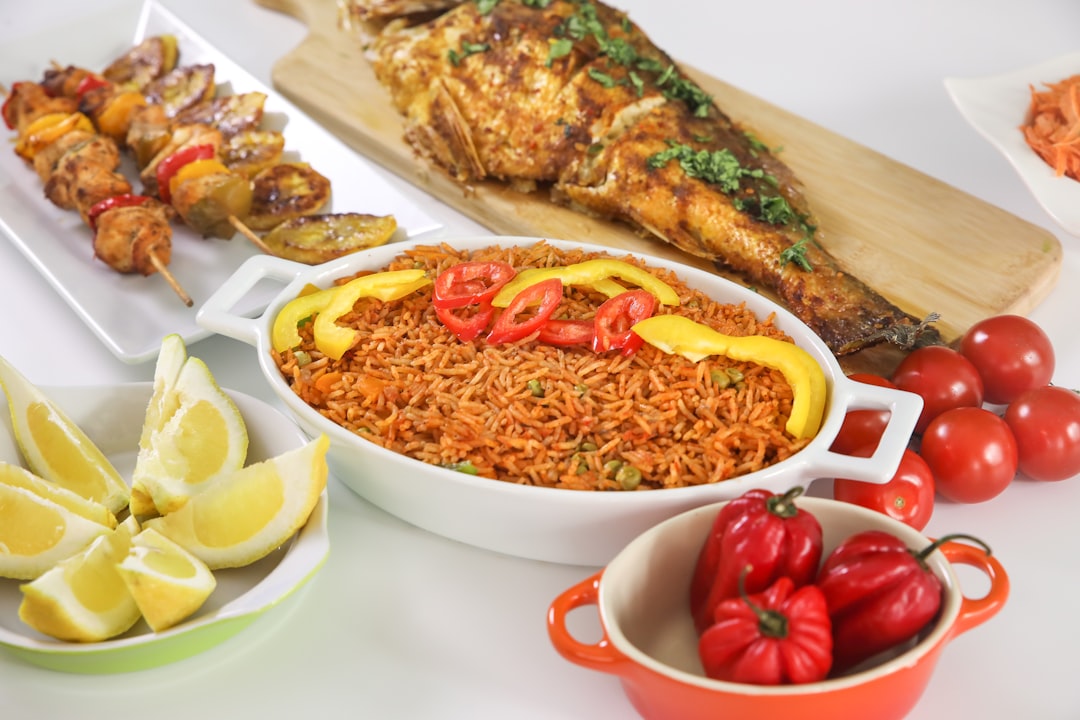
Sides matter. Jollof is rarely eaten alone. Order it with fried plantain (a must), shito (black pepper sauce), and a protein — grilled chicken, fried fish, or goat. The combination of sweet plantain, smoky rice, and spicy shito is what makes the meal complete.
Say what you want. At a chop bar, you point and say “jollof, chicken, plantain.” At a restaurant, the menu will lay it out. Don’t be shy about asking for extra shito — it’s expected.
Drink something cold. Sobolo (hibiscus drink), Malta Guinness, or a cold Coca-Cola. The sweetness balances the tomato and spice.
Eat with your right hand if you’re at a local spot and want to do it properly. Tear chicken, scoop rice with your fingers, and eat. No fork required, though nobody will judge you for using one. For more tips on eating etiquette in Ghana, see our guide to Ghana’s culture and traditions.
Plan Your Jollof Tour
Want someone to take you straight to the best jollof spots? Akwaaba’s food tasting tours include guided visits to chop bars, street vendors, and restaurants across Accra — with a local who knows exactly which pot to point you to.
You can also use the Akwaaba AI Trip Planner to build a custom food-focused itinerary. Tell it you want to eat your way through Ghana and it’ll map out the stops.
For first-time visitors, start with our complete Ghana travel guide to sort out visas, safety, and logistics — then come back here for the food plan.
Check events.akwaaba.app for food festivals, cook-offs, and culinary events across Ghana.
Browse Ghana tour packages — several include food experiences and cooking classes.
Frequently Asked Questions
Is Ghanaian jollof rice spicy?
Mildly. Ghanaian jollof has less raw heat than Nigerian jollof. The scotch bonnet pepper adds warmth but the tomato sweetness balances it. Most visitors handle it without issue. If you’re very sensitive to spice, ask for “small pepper” when ordering.
Why does Ghanaian jollof taste smoky?
The smoky flavor comes from intentionally charring the bottom layer of rice during cooking. In traditional party jollof, the firewood adds additional smoke. This technique is central to Ghanaian jollof preparation and is considered a mark of skill, not a cooking mistake.
How much does jollof rice cost in Ghana?
Street jollof costs GH₵15–30 (about $1.20–$2.50 USD). Restaurant jollof costs GH₵45–80 ($3.50–$6.50 USD). Fine dining versions can reach GH₵100+ ($8+ USD). Even the most expensive jollof in Ghana is cheaper than an average meal in most Western cities.
What’s the difference between Ghana and Nigeria jollof?
Ghanaian jollof uses long-grain rice, is tomato-sweet, and features a smoky charred bottom. Nigerian jollof uses parboiled rice, is spicier and oilier, and has a deeper red color from more tomato paste and pepper. Both are excellent. The rivalry is mostly humor and national pride.
Can I get vegetarian jollof in Ghana?
Yes. Jollof rice itself is vegetarian when made with vegetable stock instead of meat stock. At most restaurants, you can order “jollof, no meat — extra plantain and egg.” The shito (pepper sauce) sometimes contains dried fish, so ask if that matters to you.
Where can I learn to cook Ghanaian jollof?
Several food tours and cooking classes in Accra include jollof cooking lessons. You’ll shop for ingredients at a local market, learn the stew-frying technique, and cook a full pot under guidance. It’s one of the most popular experiences for food-focused travelers. Book through the Akwaaba app.


Plan your Ghana trip
Don’t just read about it. Go.
Akwaaba plans and books Ghana trips for diaspora travelers. Free AI itinerary in 60 seconds — or WhatsApp our team to get a custom quote today.

Lock in your Ghana trip for just $100 down
Flights, vetted stays, local guides and SanlamAllianz insurance — all handled. Reserve your spot with $100, pay the balance later.
REAL TRIPS · REAL PEOPLE
See What Ghana Actually Looks Like
From our travelers’ feeds — unfiltered Ghana experiences






Plan your homecoming
Ready to experience Ghana for real?
Akwaaba handles the whole trip — curated packages, day experiences, and the hottest events. Just $100 reserves your spot, and you can split the balance into easy payments.
Use code AKWAABA for 5% off your first booking · Rated 4.7★ by 140+ travelers