Ghana Street Food Guide 2026 — 15 Must-Try Snacks & Where to Find Them
Ghana’s street food scene is loud, smoky, and absolutely everywhere. Step off a tro-tro in any neighborhood in Accra and within thirty seconds you’ll smell charcoal, hear oil popping, and see someone balancing a tray of something golden on their head. This isn’t restaurant food dressed down for the sidewalk. This is food that was born on the street — perfected over decades by women who learned from their mothers, who learned from theirs.
Accra Food Tasting Tour
Plan it, book it, do it — your whole Ghana trip in one app.
Street food in Ghana typically costs between GH₵5 and GH₵30 (roughly $0.40–$2.50 USD). For that price, you eat better than most sit-down restaurants in the world. If you’re planning your first trip, pair this guide with our complete Ghana food guide for the full picture — or let the AI trip planner build your food itinerary in 60 seconds.
Here are the 15 snacks you absolutely cannot skip.
1. Kelewele — Spiced Fried Plantain
Ripe plantain, cubed, tossed in a ginger-cayenne-clove marinade, and deep-fried until the edges caramelize and the inside goes soft. Sweet, spicy, gingery. The smell alone will stop you mid-stride.
Kelewele is everywhere after dark. Vendors set up at intersections with a single pot of oil and a kerosene lamp, frying batch after batch. You point, they scoop into a paper bag, toss in roasted groundnuts, and you keep walking. It’s one of the iconic Ghanaian dishes every traveler encounters within hours of landing.
Where to find the best: Kelewele House in Osu is the dedicated spot. But honestly, the best kelewele is usually from a woman on a random street corner in Cantonments or Labone around 8pm. That’s just how it works.
Price: GH₵5–15 depending on portion size.
First-timer tip: Ask for “small pepper” if you don’t want your mouth on fire. The default spice level assumes you grew up here.
EVERYTHING HANDLED FOR YOU
Akwaaba Covers the Full Trip — Not Just the Tour
2. Waakye — Rice & Beans Done Right


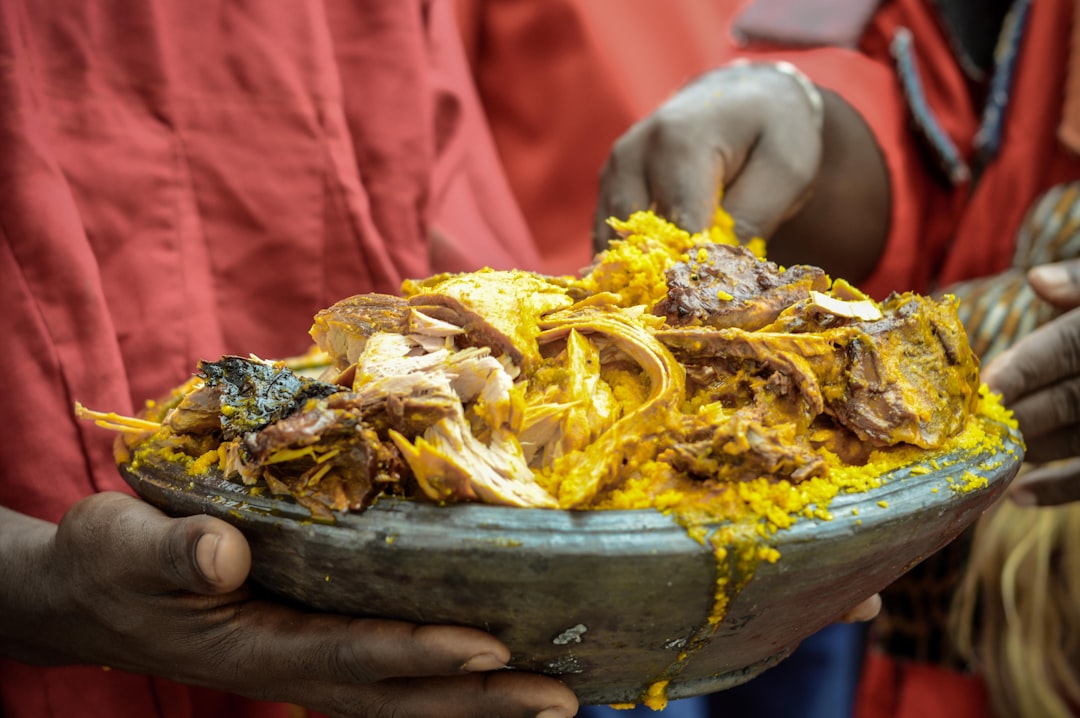
Rice and black-eyed peas cooked together with dried millet stalks (waakye leaves), which stain everything a deep reddish-brown. Served with a mountain of toppings: shito (black pepper sauce), spaghetti, fried plantain, boiled egg, gari foto, wele (cowhide), and your choice of meat or fish.
Waakye is breakfast and lunch in Ghana. Entire queues form at 7am at the best spots. It’s filling, cheap, and the toppings make every plate different. You’ll find it featured in every top local dishes list for good reason.
Where to find the best: Auntie Muni’s in Cantonments is legendary — the queue tells you everything. In Madina, the waakye sellers near the old Municipal Assembly are a local institution. In Osu, check the vendors on Oxford Street early morning.
Price: GH₵15–35 for a loaded plate. Add GH₵5–10 for extra protein.
First-timer tip: Say “all the toppings” your first time. You need the full experience. The spaghetti-on-rice thing looks odd but it works.
3. Kenkey with Pepper & Fried Fish
Fermented corn dough, wrapped in corn husks and steamed for hours. Dense, slightly sour, and meant to be torn off in chunks and dipped into ground pepper sauce alongside crispy fried fish. Two main styles: Ga kenkey (lighter and softer, wrapped in corn leaves) and Fante kenkey (darker, firmer, wrapped in banana leaves, more sour).
This is the dish that divides tourists. You either love the fermented tang or you’re confused by it. Give it two tries before you decide. It reflects the deep cultural diversity between Ghana’s coastal communities.
Where to find the best: Jamestown Fishing Harbour — eat it where the boats come in. Kenkey Butik in Accra has built a reputation as the spot for kenkey with creative accompaniments. For the Cape Coast version, the market stalls near the castle serve the best Fante kenkey.
Price: GH₵10–20 with fish and pepper.
First-timer tip: Start with Ga kenkey. It’s milder. Fante kenkey is an acquired taste even for some Ghanaians.
4. Bofrot (Puff Puff)
Fried dough balls — fluffy inside, golden outside. Slightly sweet, dusted with powdered sugar or served plain alongside hot pepper sauce. Ghana’s answer to a doughnut, but better because nobody’s overthinking it.
Bofrot shows up at breakfast, as a snack, or whenever someone fires up a pot of oil. You’ll find it at every market, every bus station, and every roadside — including Makola Market, where vendors line the entrance.
Price: GH₵1–2 per ball. Buy a bag of 5–10 for GH₵5–10.
First-timer tip: Eat them hot. Cold bofrot is fine but you’re missing the point.
5. Hausa Koko — Spiced Millet Porridge
A warm, peppery porridge made from millet, flavored with ginger, cloves, and sometimes a hint of chili. Breakfast in northern Ghana, but found everywhere in Accra. Usually served in a calabash or a plastic bag with a straw, alongside koose (bean cakes).
Hausa Koko is the breakfast that locals swear by before a long morning. It sits in your stomach and keeps you going.
Where to find the best: Any morning street vendor in Nima, Madina, or New Town. The northern neighborhoods have the most authentic versions.
Price: GH₵5–10 with koose on the side.
First-timer tip: It’s spicier than it looks. The ginger and pepper are doing work underneath.
Planning a food trip to Ghana? The Akwaaba AI Trip Planner builds a custom food itinerary in 60 seconds — tell it you’re a foodie and it maps out the best street food spots, markets, and food tours across the country.
6. Koose (Bean Cakes)
Planning a food trip to Ghana?
Akwaaba plans custom food-focused trips with local guides, market visits, and cooking classes. Free planning call.
Book a Free Planning Call →Black-eyed peas soaked, blended into a paste, seasoned with onions and pepper, then deep-fried into golden fritters. Crispy on the outside, soft and slightly earthy inside. The classic partner to Hausa Koko, but perfectly good on its own.
Price: GH₵1–3 each. Usually sold in sets of 3–5.
First-timer tip: Dip in shito or any pepper sauce. Plain is fine but the sauce takes it up a level.
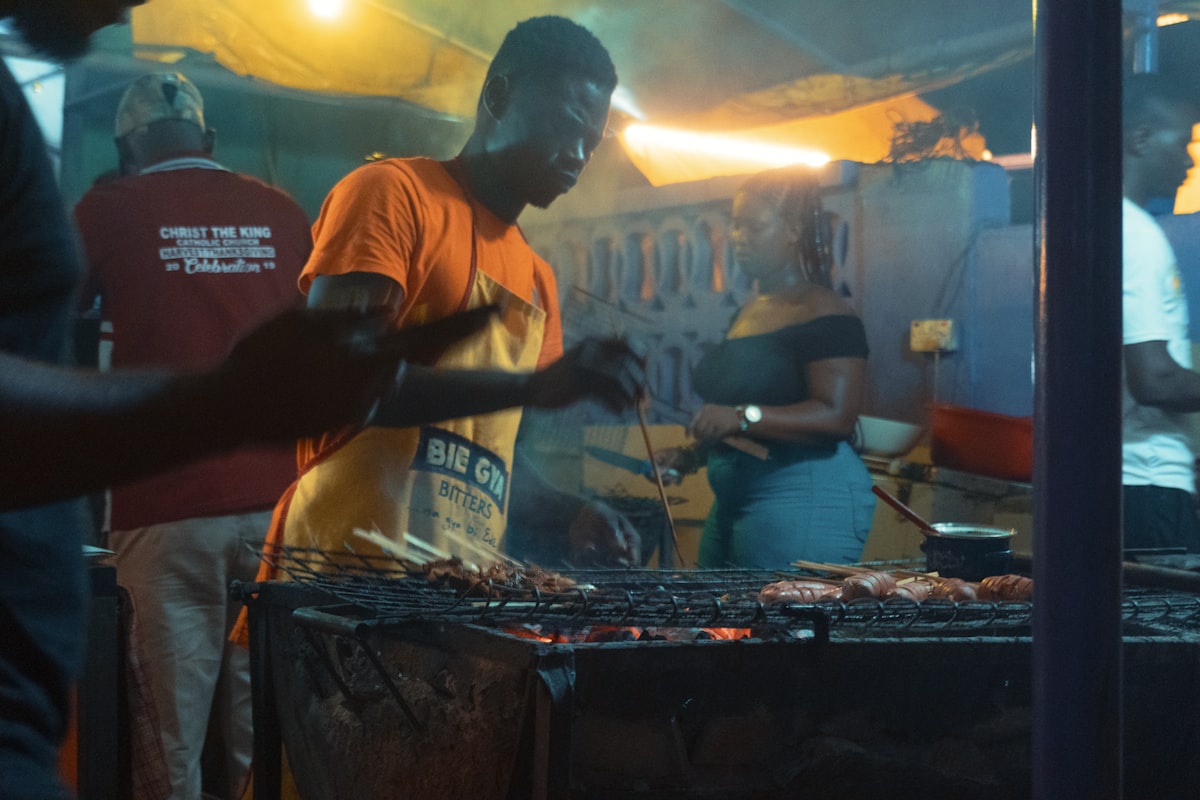
7. Khebab (Suya-Style Meat Skewers)
Grilled meat on sticks — beef, goat, chicken gizzard, or tripe — rubbed with suya spice (ground peanuts, cayenne, ginger, salt) and grilled over charcoal. The smoke does half the work. You’ll smell a khebab spot from a block away.
This is Ghana’s late-night food. After a drink, after hitting the Accra nightlife scene, there’s a khebab vendor waiting.
Where to find the best: Osu’s Oxford Street has khebab vendors lined up at night. The area around Kwame Nkrumah Circle is another hotspot after dark.
Price: GH₵5–15 per skewer depending on the meat.
First-timer tip: Try gizzard. Seriously. It’s chewy, smoky, and addictive.
8. Fried Yam with Pepper Sauce
Thick slices of white yam, deep-fried until the outside crisps and the inside stays fluffy. Served with a ground chili-tomato-onion sauce that has enough heat to wake you up but enough flavor to keep you eating.
This is the simplest street food in Ghana, and sometimes the best. No gimmicks. Just yam, oil, and pepper.
Price: GH₵10–20 per plate.
First-timer tip: The pepper sauce at the bottom of the bag is the best part. Don’t waste it.
9. Banku with Grilled Tilapia & Pepper
Banku is fermented corn and cassava dough, cooked into a smooth, sticky ball. It’s served with grilled tilapia — whole fish, scored, rubbed with spices, grilled over charcoal until the skin chars — and a ground pepper sauce with tomatoes and onions.
This is the dish you sit down for. Not exactly grab-and-go, but roadside banku-and-tilapia joints are technically street food. It’s the meal that makes people fall in love with Ghanaian cooking. You’ll find the best beachside versions at Kokrobite Beach and along the Labadi shoreline.
Where to find the best: Auntie T’s at Teshie-Nungua is famous. Any beachside spot at Kokrobite or Labadi will have it. In Tema, the fishing harbor area serves it fresh off the boats.
Price: GH₵30–60 with a whole tilapia.
First-timer tip: Wash your hands before you eat. This is a hands-only affair. Tear off a piece of banku, press it flat, scoop up fish and pepper, eat. No cutlery.
10. Tuo Zaafi (TZ)
Plan Your Ghana Food Trip in 60 Seconds
Tell the AI trip planner you're a foodie — it maps out the best street food spots, markets, and food tours across Ghana.
Build My Food Itinerary →A stiff porridge made from corn or millet flour, popular in northern Ghana. Served with ayoyo soup (a slippery, okra-like green soup) or groundnut soup. It’s smooth, dense, and meant to be swallowed in lumps — you don’t really chew TZ, you tear and dip.
This is the dish that tells you Ghana has more than one food culture. The north eats differently from the south, and TZ is the centerpiece.
Where to find the best: Nima, New Town, and Madina in Accra. In Tamale, it’s everywhere — just point at any chop bar. If you’re heading north, our Northern Ghana Travel Guide covers the full food scene.
Price: GH₵15–25 with soup and meat.
First-timer tip: The soup is slippery. That’s intentional. It helps the TZ go down.
Halfway through the list and hungry? Plan your Ghana trip now — the AI planner knows every food neighborhood in Accra, Kumasi, and Cape Coast. Check events.akwaaba.app for upcoming food festivals and night markets.
11. Chinchinga — Grilled Meat Street Style
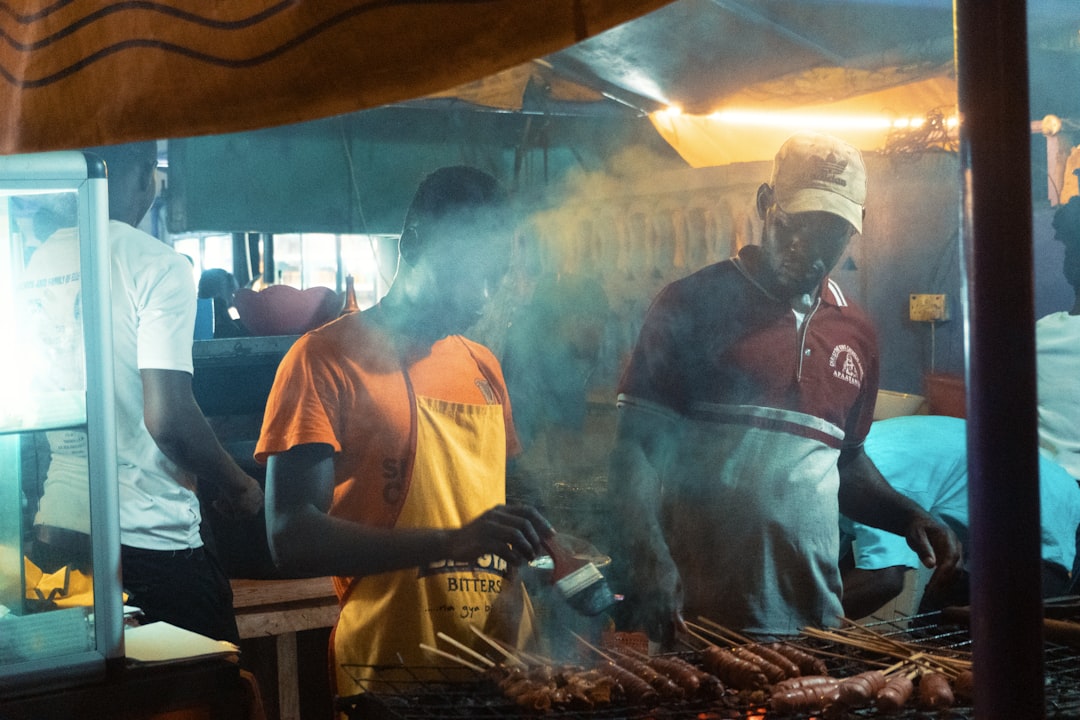
Similar to khebab but often refers specifically to the smaller, cheaper skewers sold by roving vendors who carry portable charcoal grills. Beef, goat, or chicken, seasoned and grilled on the spot. The key difference from khebab is the preparation — chinchinga tends to be simpler, smokier, and sold by mobile vendors rather than stationary stalls.
Price: GH₵3–10 per stick.
First-timer tip: If the vendor’s grill has a queue, that’s your vendor.
12. Kofi Brokeman — Roasted Plantain with Groundnuts

Ripe plantain roasted whole over charcoal until the skin blackens and the inside caramelizes. Served with roasted groundnuts (peanuts). The name translates roughly to “broke man’s food” — it’s cheap, filling, and everywhere.
Price: GH₵5–10 for plantain plus a bag of groundnuts.
First-timer tip: The charred bits on the outside are the best part. Don’t peel them off.
13. Sobolo — Hibiscus Iced Drink
Dried hibiscus flowers boiled with ginger, cloves, and sometimes pineapple peel, then chilled. Deep red, sweet-tart, refreshing. The Ghanaian answer to agua fresca. Sold in tied plastic bags or recycled water bottles from coolers on the street.
Price: GH₵3–5 per bag.
First-timer tip: Get it cold. Room temperature sobolo exists but cold is the move.
14. Pure Water — The Essential Sachet
Ready to eat your way through Ghana?
Let Akwaaba handle the food tours, transport, and local connections. Free 30-minute planning call.
Book a Free Planning Call →Not a food, but you can’t talk about Ghana’s streets without mentioning Pure Water — 500ml sachets of filtered drinking water sold from coolers carried on heads, from freezers outside shops, and from every vendor’s setup. You bite a corner off the sachet and drink. It’s safe, it’s cold (when bought right), and it costs next to nothing. For more health tips, see our safety guide for traveling to Ghana.
Price: GH₵0.50–1 per sachet.
First-timer tip: Bite the corner, don’t rip the whole side open. You’ll wear it.
15. Fan Ice & Fan Yogo — Frozen Treats
Fan Ice (vanilla or chocolate ice cream in a pouch) and Fan Yogo (frozen yogurt) are the frozen treats that every Ghanaian grew up on. Sold from coolers by roving vendors, they’re the thing you grab when the heat is unbearable. Squeeze from the bottom and eat from the top.
Price: GH₵3–5 each.
First-timer tip: Don’t try to eat it slowly. It melts in about four minutes.
Where to Find the Best Street Food in Ghana
Accra
Osu: Oxford Street and the surrounding blocks are street food central. Kelewele, khebab, fried yam — it’s all there after 6pm. Combine it with the Accra nightlife for the full evening experience.
Madina: The market area is waakye and Hausa Koko territory. Go early morning for the best selection.
Jamestown: The fishing harbour area for kenkey, fried fish, and the most authentic Ga food. It’s raw and unpolished — that’s the point. While you’re there, explore the rest of Jamestown’s culture.
Nima / New Town: Northern Ghanaian food — TZ, Hausa Koko, koose. This is where the flavors get spicier.
Makola Market: The beating heart of Accra commerce. Our Makola Market guide covers what to expect — bring your appetite.
For a curated food tour with a local guide, check Akwaaba’s food tasting tours — they take you to the stalls tourists never find on their own.
Kumasi
Kejetia Market: Ghana’s largest open-air market. Every food listed above, plus things you’ve never seen. Go hungry. Our Kumasi guide covers the full city.
Cape Coast
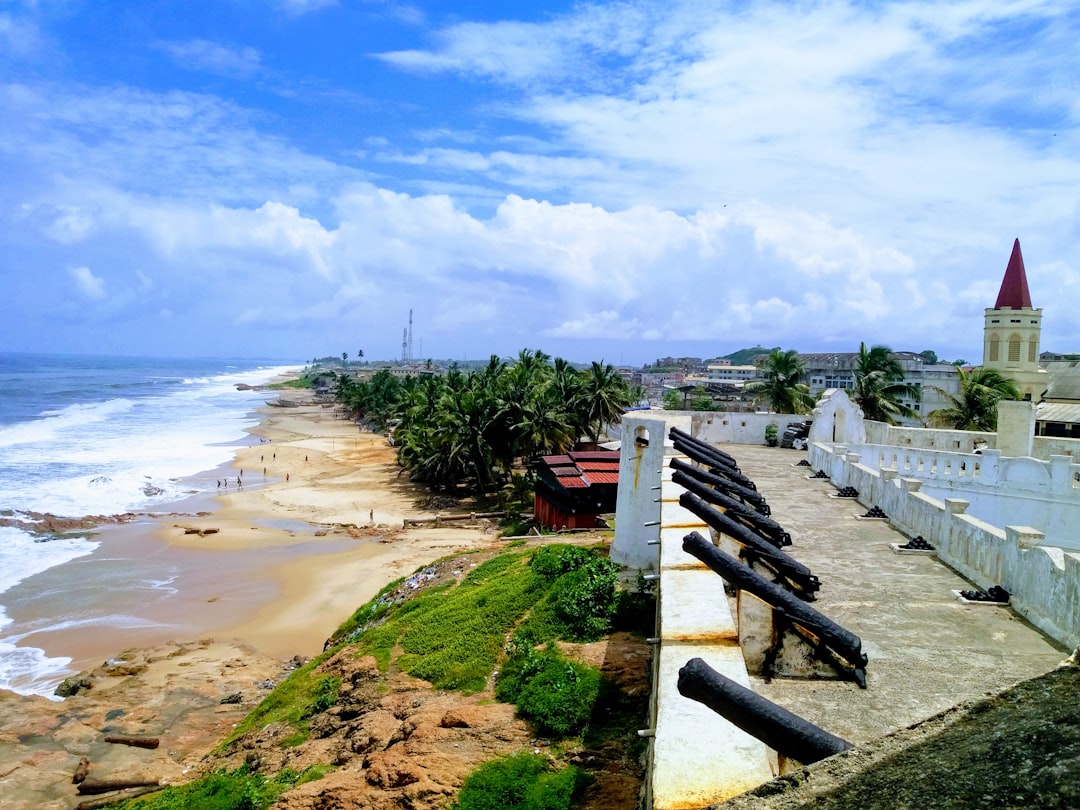
Cape Coast Market: Fante kenkey at its best, plus fresh fish straight from the boats. Pair a food crawl with a visit to Cape Coast Castle.
Street Food Safety Tips
Ghana is safe for tourists, and the street food is generally safe too. Millions of Ghanaians eat it daily. But if your stomach isn’t used to it, a few precautions help. Our health and safety guide covers this in more detail.
- Eat where locals eat. A long queue means fast turnover, which means fresh food. Empty stalls mean food sitting in the heat.
- Watch the oil. If it’s dark and thick, the oil has been used too many times. Fresh oil = lighter color.
- Go for cooked over raw. Skip uncooked salads from street vendors. Anything that’s been fried, grilled, or boiled is safe.
- Start small. Don’t go for the full waakye plate on day one. Let your stomach adjust over 2–3 days.
- Carry Pure Water. Stay hydrated. The heat and the spice will dehydrate you fast.
Plan Your Ghana Food Adventure
Ready to eat your way through Ghana? Use the Akwaaba AI Trip Planner to build a custom food itinerary — tell it you’re a foodie and it’ll map out the best street food spots, markets, and food tours across the country.
For first-time visitors, pair this street food guide with our complete Ghana travel guide — it covers visas, safety, transport, and everything else you need to know before landing.
Check events.akwaaba.app for upcoming food festivals, night markets, and culinary events happening across Ghana.
Browse our Ghana tour packages — several include food experiences, market visits, and cooking classes.
Frequently Asked Questions
Is Ghana street food safe for tourists?
Yes. Street food in Ghana is eaten daily by millions of people and is generally safe for visitors. Stick to vendors with high turnover (busy stalls), eat food that’s freshly cooked in front of you, and avoid raw salads or pre-cut fruit from street carts. Most stomach issues come from the adjustment period, not from unsafe food.
How much does street food cost in Ghana?
Most street food items cost between GH₵5 and GH₵30 (roughly $0.40 to $2.50 USD). A full meal like waakye with all the toppings costs GH₵15–35. Snacks like kelewele, bofrot, and koose are GH₵1–10. You can eat well for under $5 a day on street food alone.
What is the most popular street food in Ghana?
Waakye, kelewele, and kenkey are the three most widely consumed street foods in Ghana. Waakye dominates breakfast and lunch, kelewele is the go-to evening snack, and kenkey is the staple of Ghana’s coastal communities. Khebab takes over at night. For the full list of must-try Ghanaian dishes, see our complete food guide.
Can vegetarians eat street food in Ghana?
Yes, but options are more limited. Kelewele, koose, fried yam, bofrot, Hausa Koko, and roasted plantain are all naturally vegetarian. Waakye can be ordered without meat. Ask for “no meat, extra egg and plantain” at waakye stalls. Banku with pepper sauce (no fish) is another option.
What should I drink with Ghanaian street food?
Sobolo (hibiscus drink) is the classic pairing. Pure Water sachets are essential for hydration. Fresh coconut water is available at many intersections. Brukina, a blend of millet and milk, is a northern specialty worth trying. Avoid ice from unknown sources — stick to sealed drinks or Pure Water.
Where can I take a guided food tour in Ghana?
Akwaaba offers food tasting tours that take you to local street food vendors, chop bars, and markets with a knowledgeable guide. Tours cover Accra’s best food neighborhoods including Osu, Jamestown, and Madina. You can also book a custom food tour focused on specific dishes or regions.


Plan your Ghana trip
Don’t just read about it. Go.
Akwaaba plans and books Ghana trips for diaspora travelers. Free AI itinerary in 60 seconds — or WhatsApp our team to get a custom quote today.
Lock in your Ghana trip for just $100 down
Flights, vetted stays, local guides and SanlamAllianz insurance — all handled. Reserve your spot with $100, pay the balance later.
FROM @AKWAABA.APP
See What Ghana Actually Looks Like
Our six latest posts on Instagram